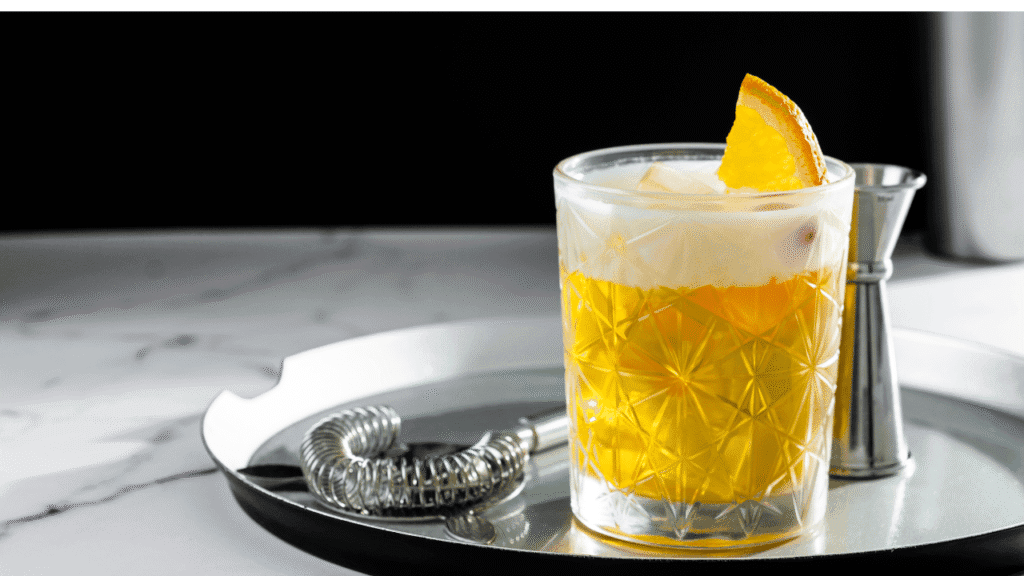
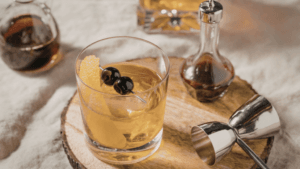

Old Fashioned with Orange Liqueur, this classic cocktail brightens a straightforward whiskey base with a citrus lift. Use a 2 oz bourbon or rye backbone, then add a measured pour of orange liqueur, bitters, and a touch of syrup for balanced flavor and aroma.
You’ll learn how to build a bar-quality old fashioned cocktail with clear proportions and pro tips. Expect to see why stirring over a single large ice cube preserves clarity and limits dilution, while shaking-and-straining gives a colder, slightly aerated drink with more immediate chill.
Practical notes cover the right glass, ice, garnish, and brand picks like Four Roses, Cointreau, and Angostura. Small choices—peel technique, bitters amount, or syrup type—shape the final drink more than complicated steps. Tip: choose bourbon for vanilla and caramel notes, or rye for peppery spice.
Key Takeaways
- Use a 2 oz whiskey backbone for consistent balance.
- Add 0.5 oz orange liqueur to brighten the profile.
- Stir for controlled dilution; shake-and-strain for quicker chill.
- Serve in a lowball/rocks glass and express the peel for aroma.
- Taste and adjust syrup to dial sweetness to your preference.
Why this timeless cocktail shines with a citrus twist
Tiny amounts of citrus oils plus careful stirring make an otherwise straightforward cocktail sing: aroma up front, a bright mid-palate, and a clean finish.
How the citrus layer works: A splash of orange liqueur pairs with whiskey and bitters to add a crisp citrus backbone that rounds oak and spice without hiding the spirit. With Cointreau you get a cleaner, brighter orange note; Grand Marnier delivers a richer, cognac-tinged depth.
Why the peel matters: Expressing an orange peel over the glass releases essential oils that lift aroma at the rim. Warm the peel briefly near a flame (just a second) to intensify the perfume—be careful and keep the motion quick to avoid charring.
- Stirring over a single large ice cube minimizes dilution and keeps flavor focused.
- A proper rocks glass concentrates aroma and accommodates a big ice cube for a gentle chill.
- Use orange bitters (or Angostura for baking-spice weight) to echo peel oils and bind the profile together.
Result: A brighter nose, livelier mid-palate, and a cleaner finish—still spirit-forward and not creamy. For a step-by-step build, see this simple recipe guide.
Old Fashioned with Orange Liqueur
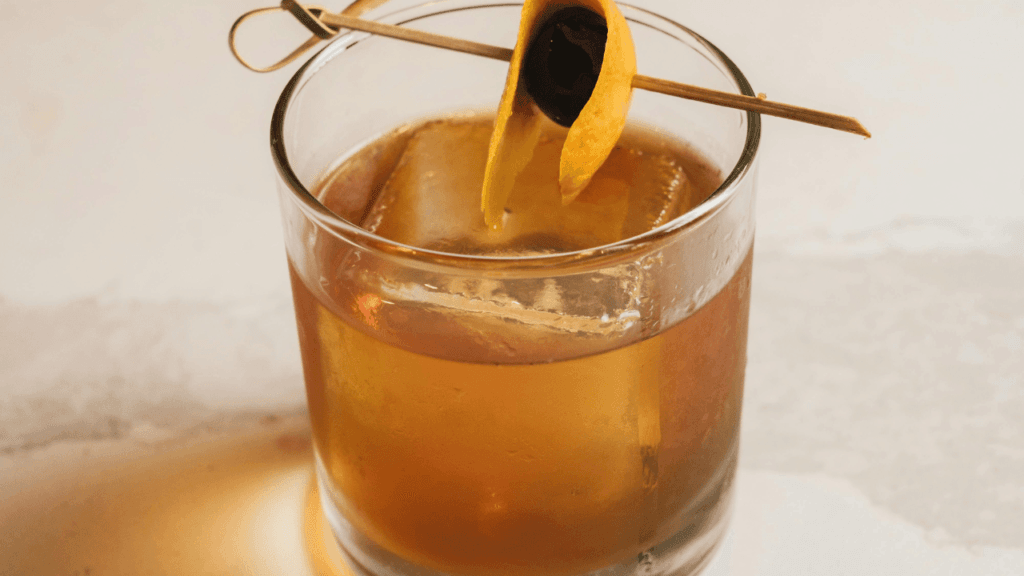
Start by gathering precise measures and a few quality tools to craft a balanced, spirit-forward cocktail. Below are the core ingredients, key tools, and sensible brand picks so you can follow a tested recipe at home.
Ingredients: 2 oz bourbon or rye, 0.5 oz Cointreau (or quality Triple Sec), and 3 dashes bitters. Sweeten to taste with simple syrup or orange blossom honey. Garnish with a broad orange peel (expressed over the glass) and a single Luxardo cherry for aroma and a subtle fruit note. Why these measures: the 2 oz spirit keeps the drink spirit-forward while 0.5 oz orange liqueur brightens the mid-palate without overpowering the whiskey.
Essential tools: a sturdy rocks glass, a long bar spoon for gentle stirring, a sharp peeler to capture wide oils, and one large clear ice cube or sphere to slow dilution. Measure precisely—small shifts in liqueur or sugar change the balance quickly.
- Liqueur choices: Cointreau or Triple Sec for bright, zesty citrus; Grand Marnier for a richer, cognac-tinged finish (pick Grand Marnier if you prefer sweeter, deeper notes).
- Spirit notes: Bourbon offers vanilla and caramel; rye gives peppery spice and more bite—choose based on whether you want softer or spicier character in the drink.
- Bitters & sweetener: Angostura is the classic choice; orange bitters will amplify citrus. Use simple syrup for even integration or honey for silkier texture.
For a printable step-by-step recipe and variations, see a trusted recipe guide or this practical how-to article.
Step-by-step recipe: build, stir (or shake), and serve over ice
Follow this exact build and timing to make a crisp, aromatic old fashioned cocktail that stays cold without over-diluting. Prep all ingredients and tools before you start so each step is smooth at the bar.
Prep the glass
Peel a broad strip of orange over the rocks glass to capture the spritzed oils. Express the peel across the rim to boost aroma, then drop the peel into the empty glass. Why it matters: the oils are the first thing you smell, and they lift the whiskey’s nose.
Mixing method
Measure 2 oz whiskey, 0.5 oz orange liqueur, and 3 dashes bitters. Add 1–2 teaspoons simple syrup (or a small spoon of honey) to taste.
Stir method (recommended): Add ingredients to a mixing glass with ice and stir with a long bar spoon for 20–30 seconds for clarity and controlled dilution. Shake method (alternative): If you prefer a colder, slightly aerated drink, shake for 10–12 seconds, then double strain—expect more dilution and a softer texture.
Strain, ice, and garnish
Strain into the prepared rocks glass and add one large clear ice cube or sphere to keep the drink cold with minimal melt. Garnish with a fresh orange peel (twist over the drink) and one quality cherry for aroma and a subtle fruit note.
Optional smoke
For a campfire note, cap the glass and briefly infuse with oak smoke for 10–15 seconds using a small smoker like a Smoke Lid. Safety note: work in a ventilated area and keep smoke light—too much will overwhelm the orange and whiskey.
- Tip: Double strain if shaken to remove peel shards and ice chips.
- Tip: If using rye, add a few extra drops of syrup; if using Grand Marnier or a richer liqueur, reduce added sugar slightly.
- Serve: Present immediately while the large cube is intact for the best texture and temperature.
Old Fashioned with Orange Liqueur Pro tips for bar-quality results at home
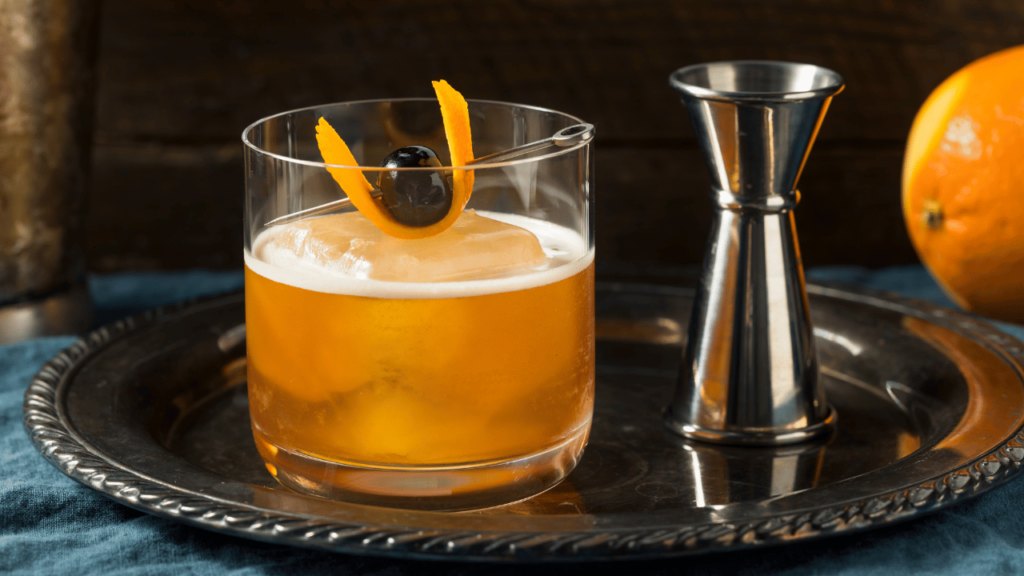
A few practical pro tips will protect flavor and slow dilution so each sip stays true to the whiskey. These focused steps on ice, sweetening, aroma, and technique will help you lift a crafted cocktail at home to bar-quality level.
Make clear large ice at home (simple method): Use an insulated cooler or mug and a small inner container to directional-freeze water. Fill so the inner container is submerged, place a filled sphere mold inverted on top if you want a sphere, then top off and freeze slowly. This yields large, clearer ice that melts slowly and preserves balance. Tools: insulated container, sphere or block mold, filtered water.
Dial sweetness and texture
Choose a sugar cube for ritual and control, simple syrup for speed, or brown sugar syrup for molasses notes that suit bourbon. Start with 1 teaspoon simple syrup for the 2 oz spirit + 0.5 oz liqueur ratio; if you prefer sweeter, add another 1/4 teaspoon, or subtract 1/4 teaspoon for a drier finish. Save your preferred tweak as a quick note so your recipe matches every time.
Maximize aroma
Always peel citrus over the glass so oils fall in. Warm the peel briefly near a flame—just a second—and quickly twist it over the drink to spray oils across the surface. Why: those oils are the first scent you encounter and dramatically increase perceived flavor.
“Stir quietly and steadily with a bar spoon to chill without clouding or over-diluting the drink.”
- Prefer a single large cube or sphere over many small cubes to limit dilution and maintain texture.
- Stir with a long spoon in smooth rotations for 20–30 seconds to achieve clarity and even chill.
- Chill your rocks glass for 5–10 minutes pre-service and note your favorite specs—spirit, liqueur, bitters, and syrup—so results are consistent.
Quick tips: Save this ratio to your phone as a recipe card (2 oz spirit / 0.5 oz orange liqueur / 3 dashes bitters + 1 tsp syrup) and you’ll replicate bar-quality drinks at home for years to come.
Old Fashioned with Orange Liqueur Variations, swaps, and batching for parties
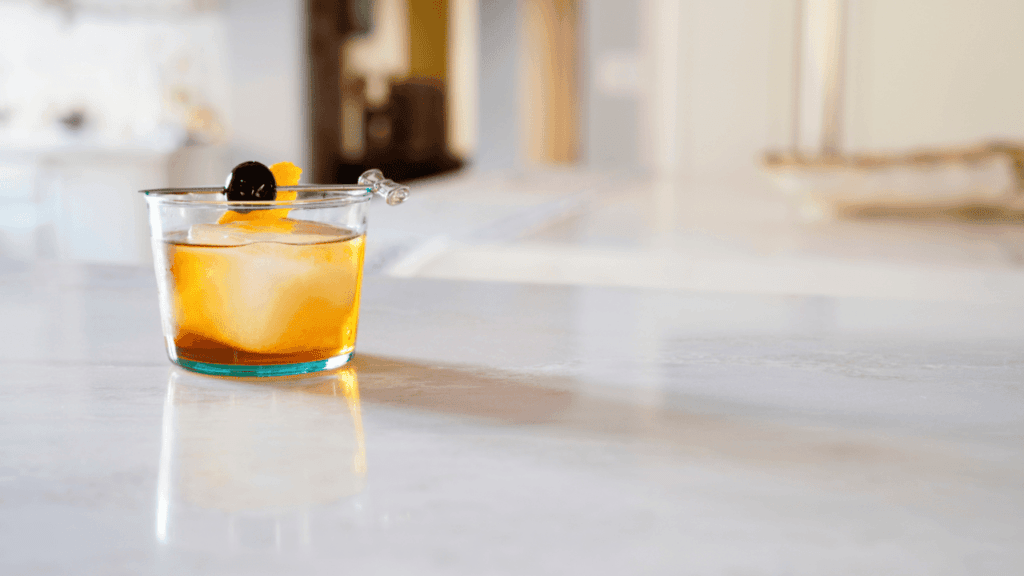
For gatherings, use spirit swaps and batching to keep service fast while keeping flavor consistent across cocktails. Below are smart swaps, sweetener and bitters choices, and a simple batching formula you can scale for a crowd.
Spirit swaps: Aged rum adds caramel depth—reduce simple syrup slightly (about 10–15%). Brandy brings a fruit-forward body; gin creates a bright, botanical riff (use less orange liqueur if using very floral gin).
Sweeteners and bitters
Sweeten smartly: Orange blossom honey adds silk and floral notes; brown sugar syrup introduces molasses-rich depth that complements bourbon. Provide simple syrup and brown sugar syrup so guests can tune sweetness. For bitters, orange bitters heighten the citrus lane while Angostura adds baking-spice weight.
Batching and ice
Batching formula (per 10 servings): 20 oz spirit (bourbon/rye or swap), 5 oz orange liqueur, 30 dashes bitters (or 10–15 ml), and 5–6 oz simple syrup. Combine ingredients in a bottle without ice, chill, and pour over fresh large ice or clear spheres at service. For ready-to-drink batches, pre-dilute 10–15% with chilled water to match bar dilution.
- Use large ice or clear spheres for slow melt and clean flavor; one sphere per glass keeps drinks consistent.
- Make clear spheres via a directional-freeze method for show and function—use an insulated container and a silicone mold.
- Label batches by citrus lane—Cointreau for crisp, Grand Marnier for richer, cognac-backed richness—and garnish at the last minute.
“Batch early, garnish at the last minute, and keep one clear ice sphere per glass for consistent pours.”
Example party batch for 8–10 drinks: 16–20 oz bourbon, 4–5 oz Cointreau, 24–30 dashes bitters, 4–5 oz simple syrup; chill and pour over fresh ice cubes or spheres. For printable cocktail recipes and batching cards, consider creating a small PDF or label to speed service and reduce questions at parties.
Conclusion
Keep the recipe tight—2 oz bourbon, 0.5 oz Cointreau (or Triple Sec), three dashes of bitters, and a measured sweetener—then serve over one large clear cube in a chilled rocks glass.
Old Fashioned with Orange Liqueur build the drink by adding the whiskey and liqueur, season with bitters, and fine-tune sweetness. Aim for a bright citrus peel aroma (expressed over the glass) and a single quality cherry as a subtle finish.
Try swaps at home—rye for spice, aged rum or brandy for fruit and depth—and experiment with bitters to find your signature. For special occasions, a brief 10–15 second oak smoke can add dimension without masking the orange or the spirit.
Small, measured adjustments matter. Take quick notes (save or print this recipe) and you’ll consistently craft a bourbon old fashioned that stands up to the best bar pours.
FAQ
What exactly is an Old Fashioned with orange liqueur?
Should I use bourbon or rye for the best flavor?
Which orange liqueur is recommended?
How do I prepare the glass and garnish for maximum aroma?
What’s the best mixing method: stir or shake?
How do I manage dilution and temperature at home?
Can I substitute the sweetener? What are good alternatives?
Which bitters should I choose?
How do I add a smoky aroma safely?
Can I batch this cocktail for a party?
Any tips for making clear ice spheres at home?