

Cocktails & Mixology Ingredients, this ultimate guide sets you up to make a great cocktail at home by showing exactly which items, glass, and ice choices matter most for reliable results right now.
You’ll learn how to match a drink to your taste, whether you favor bright citrus, herbaceous spirits, or dessert-like flavors. Clear, short explanations link each component to body, aroma, and dilution so your drink tastes intentional, not improvised.
We outline a practical shopping list so you don’t overbuy but still can shake or stir dozens of recipes for a home bar. Expect data-backed picks for the most used items today and step-by-step builds for iconic drinks that level up skills fast.
You’ll also learn what glass to use when, why ice format changes mouthfeel, and when to shake versus stir for texture and clarity. Throughout, smart substitutions preserve flavor structure when a specific spirits bottle or citrus is out of stock.
Key Takeaways
- Focus on a short set of staples to make many cocktails reliably.
- Choose glass and ice to control mouthfeel and dilution.
- Match bright, herbaceous, or sweet profiles to your taste.
- Learn a few builds to improve speed and consistency at the bar.
- Use smart swaps to keep flavor balance when items are missing.
Start Here: What This Ultimate Guide Covers for Home Bar Success
Begin with the tools and choices that deliver the biggest difference when you mix at home. This section explains how to use the guide, what to buy now, and what can wait. Follow the sequence to learn tools, glass, and ice first, then move into techniques and classic builds.
User intent and how to use this guide
This guide answers practical questions: how to set up a reliable home bar, which small toolkit covers most recipes, and how to keep service smooth. Use it as a roadmap: tools → glass → ice → basics → recipes.
What you actually need today versus “nice-to-haves”
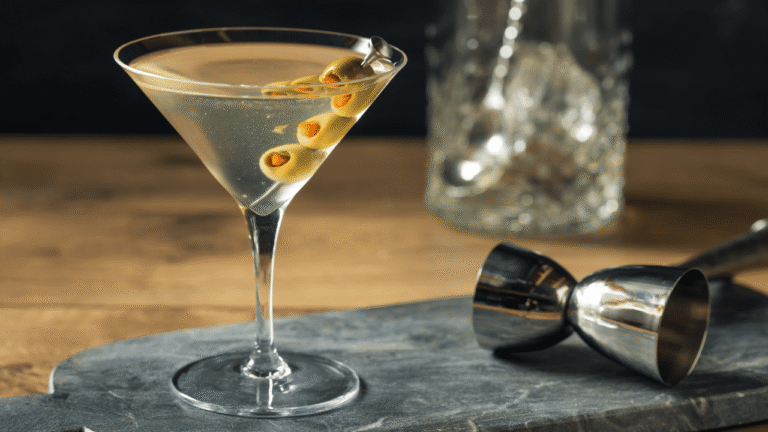
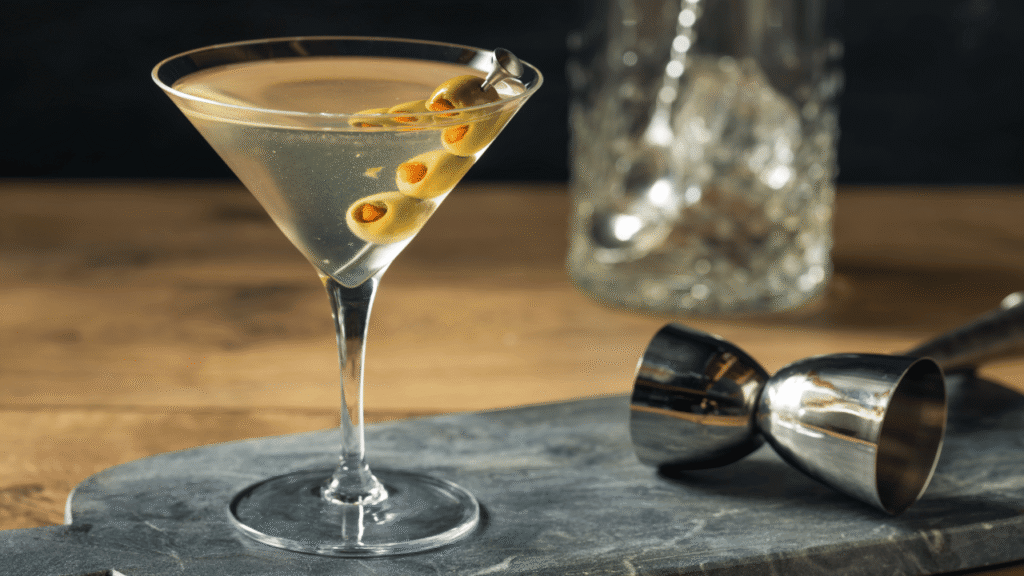
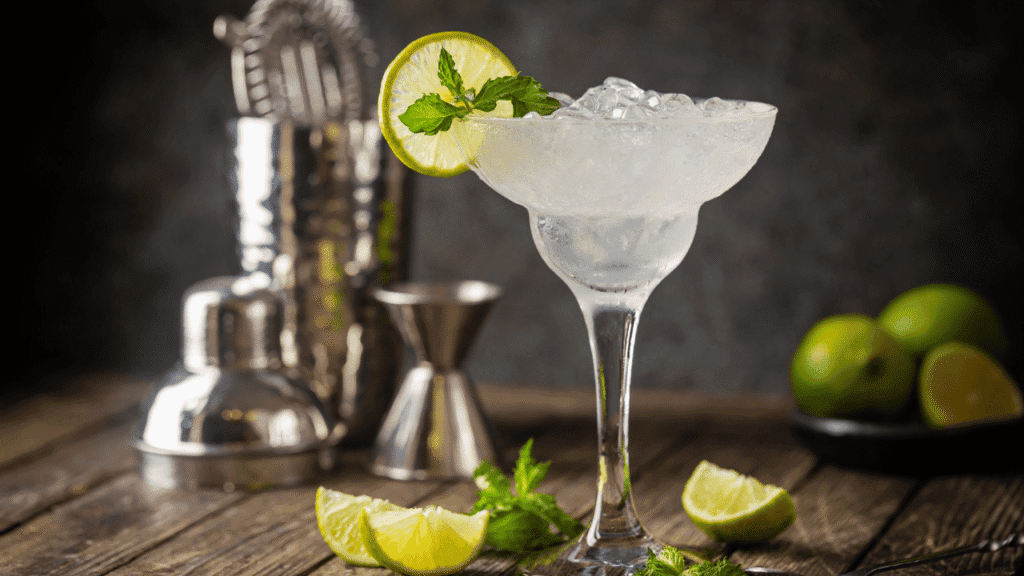
Buy now: a dependable shaker or cocktail shaker, strainer, jigger, bar spoon, muddler, and a Mexican elbow for bright, freshly squeezed juices. Pick two versatile glass types — a Martini glass and a Rocks glass — and keep plenty of ice on hand.
- Define your goal: learn core techniques and stock high-impact items.
- Prep efficiency: pre-batch simple and rich syrups; chill glass where useful.
- Save specialty liqueurs and rare bitters as later upgrades.
- Follow the checklists so you can mix multiple drinks without hunting for tools.
For deeper technique and sourcing, see the practical guide on mixing basics and a step-by-step on handcrafted drinks: ultimate guide to mixology and hand-crafted drink techniques.
Home Bar Foundations: Tools, Glassware, Ice, and Setup
A well-organized home bar starts with a compact toolset and smart ice habits that protect flavor and speed service.
Essential tools for reliable pours
Choose a sturdy shaker you can handle comfortably; durability and a tight seal matter more than price. A cocktail shaker at two price points works fine if the fit is good.
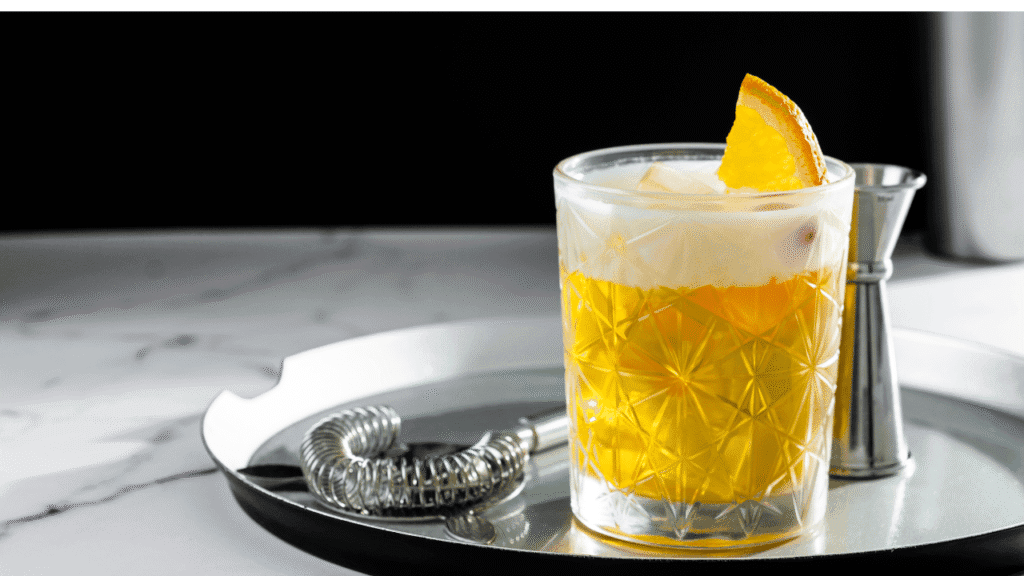
Use a jigger to standardize pours and a fine strainer to polish texture after shaking. Keep a bar spoon for stirring and layering, and a muddler for bruising herbs without bitterness.
Lastly, press citrus with a Mexican elbow for brighter aromatics and less pith in fresh juice.
Glassware that elevates presentation
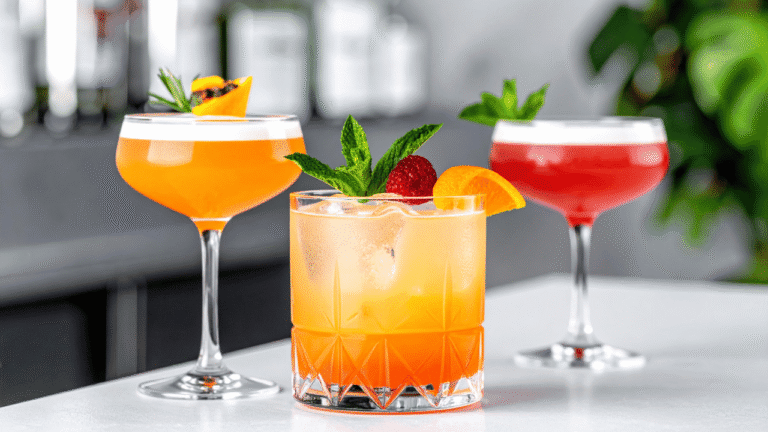
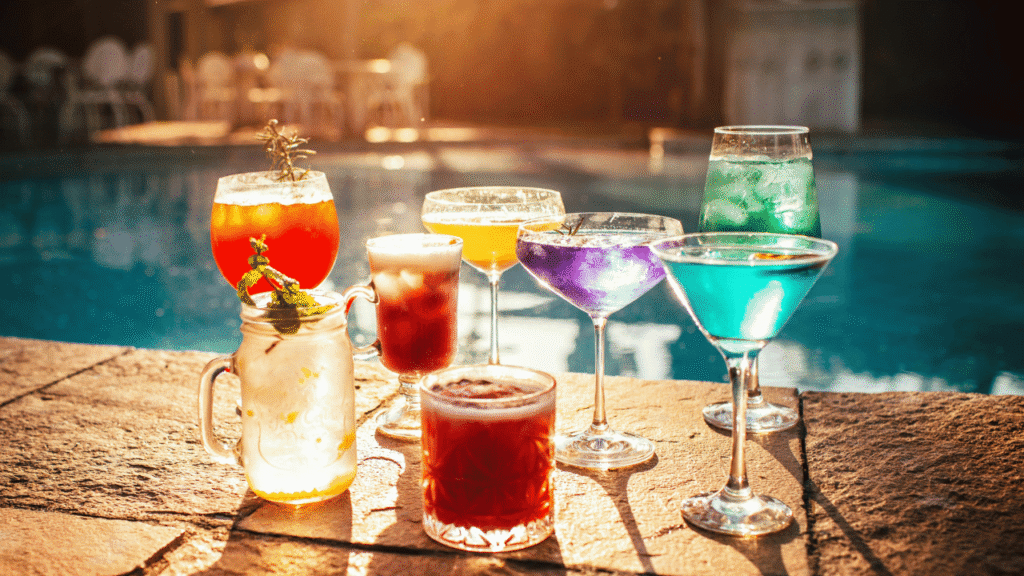
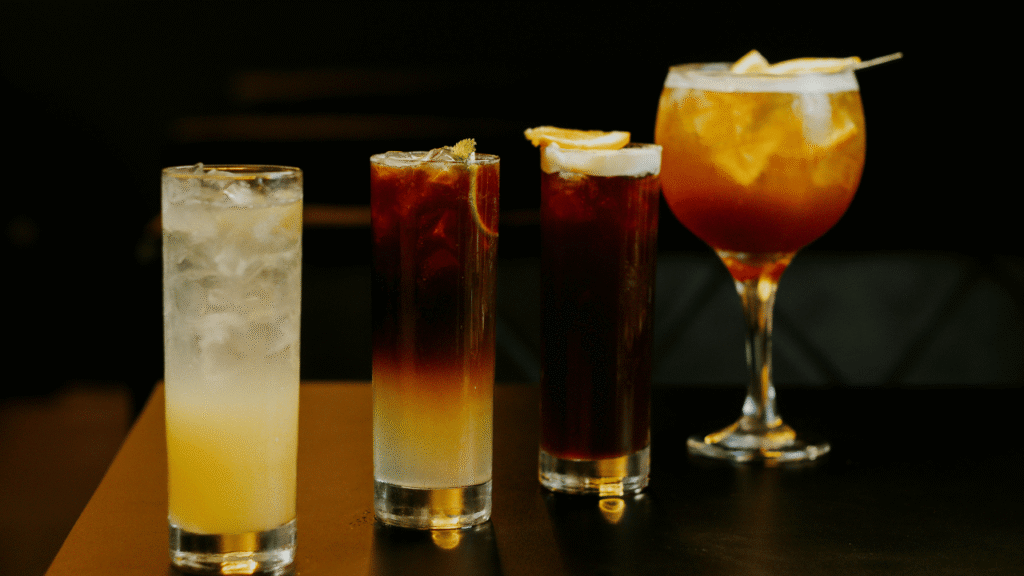
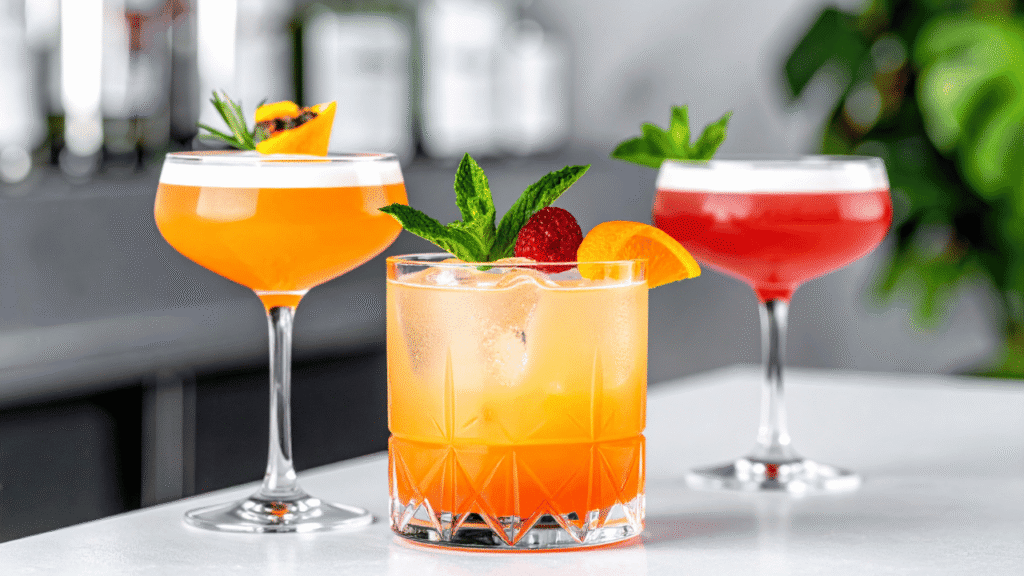
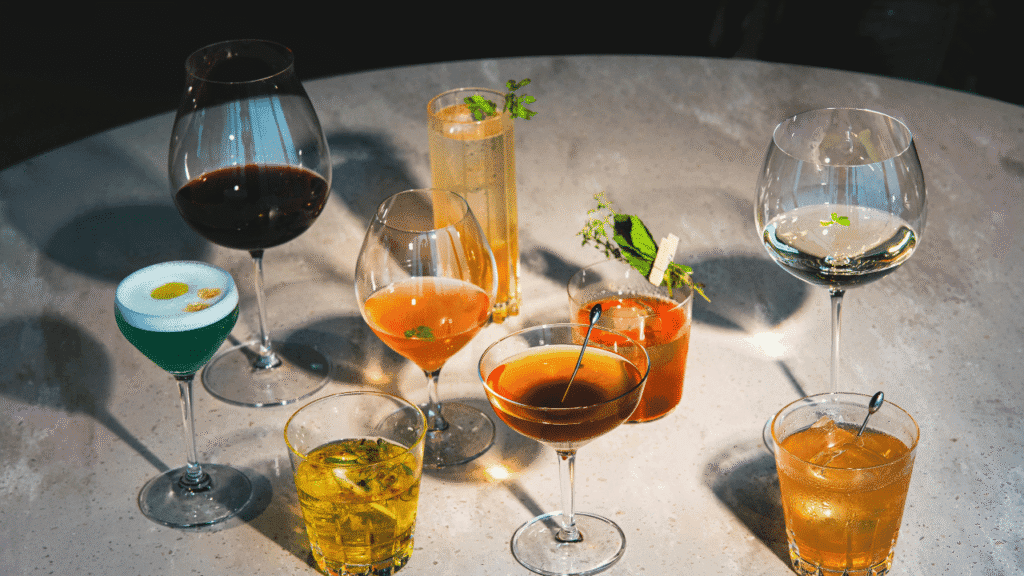
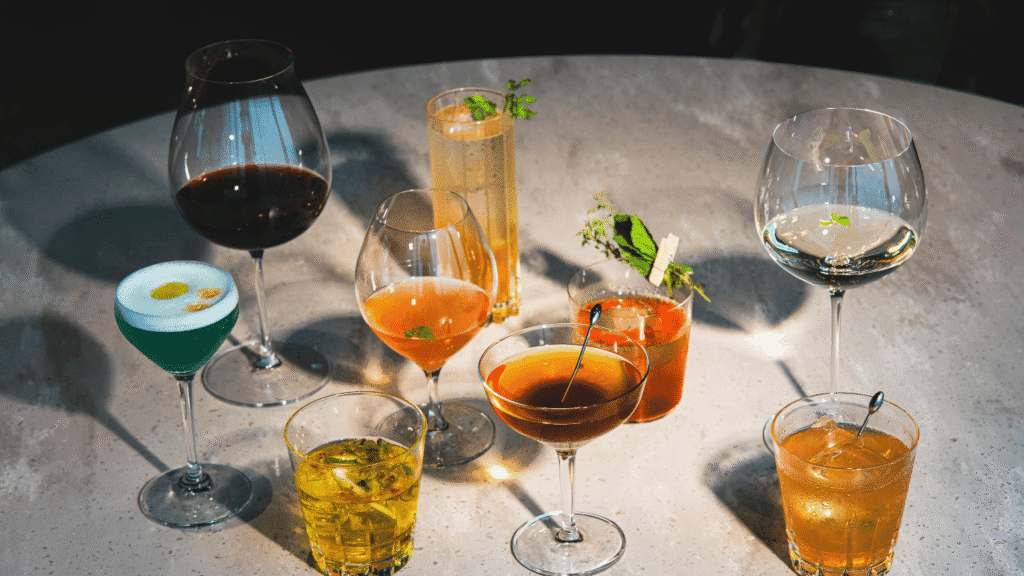
Stock a small set of durable glass: a Martini or coupe for up drinks, a Rocks glass for spirit-forward builds like a Negroni, and a Highball for long drinks. Match size to style so a cocktail looks and pours right.
Why ice and setup matter
Ice drives dilution and cooling. Larger cubes slow dilution; crushed or pebble ice chills faster and waters down sooner. Use fresh, cold water for clearer blocks when possible.
If serving long drinks, present the drink in a glass filled with fresh ice. When you batch, keep the mix cold in the tin and strain to a glass filled with clean ice just before serving.
- Pro tip: Make simple syrup by dissolving sugar in boiling water; use a 2:1 sugar-to-water ratio for rich syrup.
- Organize tools on one side and keep a dedicated cooler for cubes and blocks to speed service.
Cocktails & mixology ingredients: Core Spirits, Modifiers, Juices, and Sweeteners

Stocking a compact shelf of bottles and mixers gives you maximum flexibility with minimal spend. Start with five base spirits that cover most classic templates, then add a few modifiers, fresh citrus, and simple sweeteners to balance flavor.
Base spirits to stock
Keep rum, whisky, tequila, vodka, and gin on hand. These five spirits unlock the majority of recipes and let you build bright sour drinks, tall refreshers, and stirred classics with confidence.
Liqueurs and modifiers
Add a couple of high-impact liqueurs: triple sec and an elderflower liqueur cover orange and floral profiles. Store both dry and sweet vermouth and an amaro for bitter-sweet depth. Tasting each modifier alone helps you learn how they shift a cocktail’s balance.
Fresh vs processed juices
Fresh citrus matters: press lemon and lime right before service for vivid acid and aroma. Keep orange juice, pineapple, and cranberry for longer builds and crowd-pleasing spritzes.
Sweeteners and bitters
Make simple syrup 1:1 for everyday sweetening and rich syrup 2:1 when you need body without over-diluting. A few dashes of Angostura, Peychaud’s, or orange bitters add structure and lift. Manage sugar and bitters sparingly to preserve bright flavors.
- Practical tip: Rinse tins and use clean water ice to avoid flavor carryover.
- Mixer note: Soda keeps citrus forward; tonic or ginger adds character when you want it.
- Learn by tasting: Build a small flavor library by sampling modifiers solo.
For more pairing ideas and ready-to-serve suggestions, see a quick guide to popular options at best alcoholic drinks for ladies.
Data-Backed Essentials: The Most-Used Cocktail Ingredients Right Now

Across thousands of recipes, a short list of staples keeps repeating — these are the high-value items to stock first.
The top-ranked item is rich sugar syrup (2:1), followed by freshly squeezed lemon juice and lime juice. These three form the backbone of many classic and modern specs.
Spirits: Gin leads usage, with vodka close behind for its versatility. Bourbon and tequila reposado also show up frequently in spirit-forward and agave-style builds.
- Mixers that matter include soda water, tonic water, and ginger beer for bright highballs and buck-style drinks.
- High-impact modifiers are triple sec, maraschino, Campari, elderflower, plus dry and sweet vermouths.
- Juice ranking: orange juice, pineapple, grapefruit, then cranberry — guest-friendly flavors that appear most often.
Practical takeaway: Stocking rich syrup, fresh citrus, gin and vodka covers a large share of recipes. Aromatic bitters and a small set of modifiers will broaden your range without overbuying.
For recipes that use these staples regularly, see a quick list of top mixes and builds at top 10 recipes.
Technique and Balance: From Shaker to Glass

Small choices in method and timing shape how a drink tastes and feels. This section gives clear actions to chill, dilute, and finish a great serve.
Shaking vs stirring
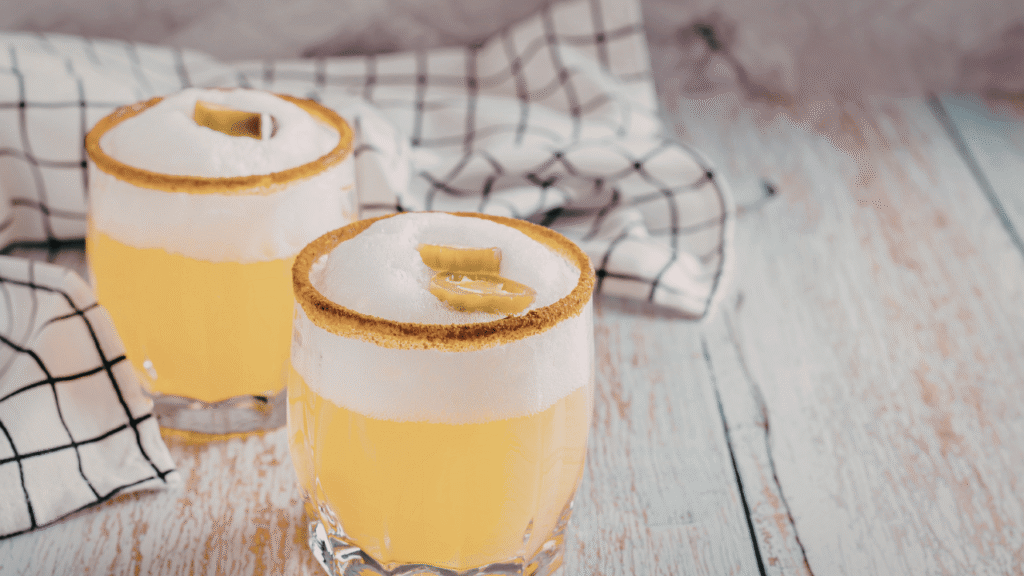
Shake builds texture when a recipe uses citrus, juice, or egg white. Shaking chills fast and adds aeration.
Stir spirit-forward recipes to keep clarity and silk. Match ice format: large cubes slow melt in a mixing glass; standard cubes work for vigorous shakes.
Finding balance
Aim for five points: sweetness, sourness, bitterness, strength, and dilution. Adjust simple syrup or citrus in 0.25 oz steps until the flavor feels right.
Use rich syrup (2:1) when you need body. A dash of bitters (Angostura, Peychaud’s, or orange) tightens a loose build.
Garnish with purpose
Keep the glass cold and ice fresh. Finish with a lemon twist to perfume the surface or a lime wedge for squeeze-on-demand acidity.
- Taste before you pour; tweak with syrup or lemon.
- Don’t reuse spent ice from the tin.
- Strain clean to remove chips and keep the drink cold without extra dilution.
Builds You Can Master: Classic Cocktails Using Essential Ingredients
Learning a few repeatable recipes gives the biggest return on your home-bar investment. Below are dependable builds that rely on the staples already covered: white spirits, citrus, syrup, soda, and quality ice.
Long Island Iced Tea fundamentals
Measure white spirits precisely: vodka, rum, tequila, and a splash of triple sec paired with lemon juice or lime juice. Top with cola to lengthen the drink and balance the strength.
Moscow Mule made right
Combine vodka with fresh lime juice and spicy ginger beer. Serve cold in a mug or tall glass filled ice and use plenty of solid cubes for slow dilution.
Hurricane highlights
Pair light and dark rum with passionfruit-style syrup, lemon juice, and simple syrup. Balance sweetness with bright citrus so the drink stays lush, not cloying.
Highballs and spritzers
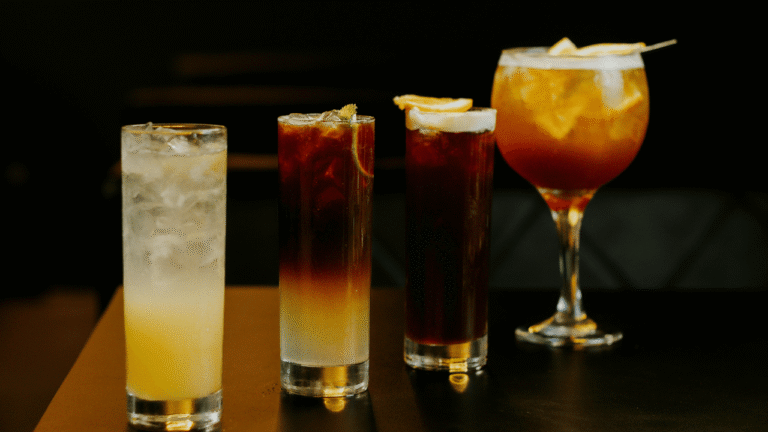
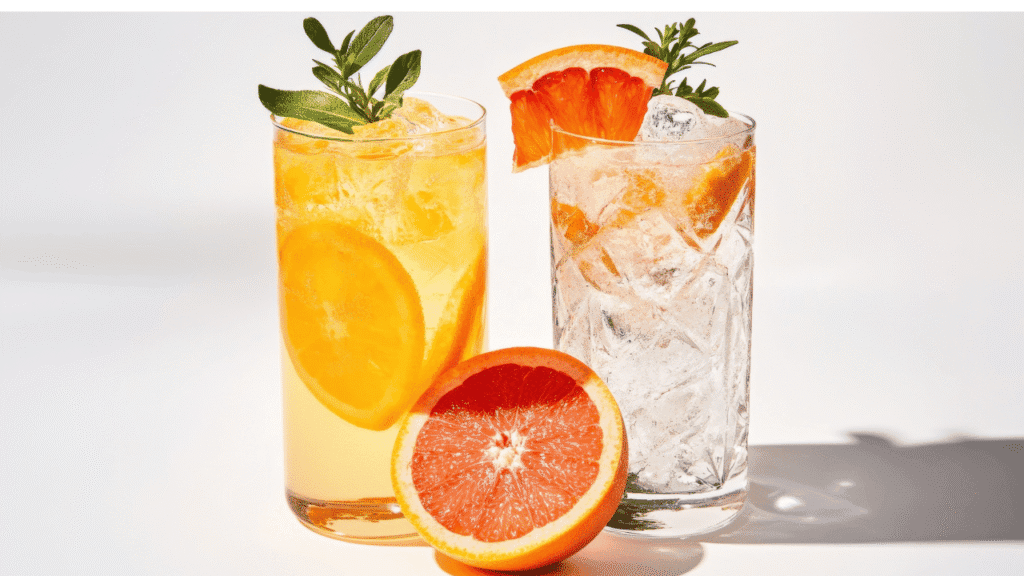
Lengthen spirits with soda or tonic water. Add bubbles last over a glass filled with fresh ice, then give one gentle stir. Use tonic for bite; soda for neutral lift.
“Taste the base before you add the top; bubbles enhance, they don’t fix balance.”
- Tip: Add a dash of pineapple for tropical notes, but offset with extra citrus.
- Measure carefully for high-proof builds like long island iced to avoid a hot finish.
- Keep the glass cold and use large cubes for tall drinks.
For modern classics and technique notes, see a practical guide to master the modern classics at master the modern classics.
Seasonal and Occasion-Ready: Flavors, Trends, and Inspiration
A few thoughtful swaps turn everyday pours into festive, photo-ready party drinks. Use warm spices and bright citrus to craft balanced seasonal serves that feel intentional and easy to scale.
Fall flavors and Halloween-ready serves
Lean into cinnamon, clove, and vanilla to warm aroma without burying the base. These spices pair well with orchard fruits like apples and pears.
Use vodka as a neutral canvas for spiced syrups and roasted fruit purées. Fine-tune each drink with citrus—add an orange juice element for brunch spritzers, or finish with a lemon twist or a lime wedge to brighten the palate.
- Visuals: build dramatic color contrasts and lift with aromatic bitters.
- Service: add soda just before serving and stir once to keep fizz.
- Batching: chill mixtures well; add sparkling elements to each glass at pour time.
“Prioritize balance: a clever garnish and aligned flavors beat flash for one night.”
For cozy gatherings, use small doses of vanilla and a touch of baking spices so the drink stays sessionable and inviting.
Conclusion
A clear routine—measure, chill, taste—turns good pours into great drinks.
Stock a reliable shaker and a working cocktail shaker, pick the right glass for each serve, and keep ice formats that control dilution. Press fresh juice—lime and lemon—so flavors stay bright. Use vodka and a couple of base spirits plus high-impact modifiers to cover most recipes.
Measure consistently, add simple syrup in small steps for sweetness, and serve tall drinks in a glass filled with fresh ice. Organize your bar so tools, fruit, and water are within reach. When you want gear or curated sets, see quality mixology cocktail mixers to complement your kit.
Practice, iterate, and share what you learn—that will make every cocktail poured at home more confident and repeatable.
FAQ
What does this ultimate guide cover for a home bar?
How should I use this guide based on my goals?
What do I actually need today versus what’s a nice-to-have?
Which tools are essential for making professional-tasting drinks at home?
What glassware should I buy first?
How important is ice and how should I use glass filled with ice?
Which base spirits should I always stock?
What liqueurs and modifiers are most useful?
Should I use fresh juice or bottled mixers?
How do I choose sweeteners and adjust sweetness?
Which bitters and spices are worth buying first?
What mixers should I stock for everyday use?
Why do gin and vodka remain so popular?
When should I shake versus stir a drink?
How do I find balance in a cocktail?
What garnishes actually matter?
What are the key components of a Long Island Iced Tea?
How do I make a proper Moscow Mule?
Which juices are most useful in a home bar?
What should I consider for seasonal or themed menus?