
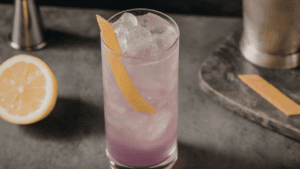

Welcome to a practical guide that blends history, technique, and sensory training to help you build better drinks at the bar and at home.
Cocktail Mixology, The term mixology dates back to the 19th century, and early guides from Jerry Thomas and Harry Johnson shaped the craft we practice today. This guide shows how precision tools, fresh ingredients, and balanced flavors create consistent results.
We focus on measurable skills: tasting, timing, and technique. You will learn templates and modern examples like the Penicillin and White Negroni, and how to adapt them.
Expect a clear, repeatable approach that covers tools, flavor balance, core techniques, and ingredient choices. Whether you run a busy bar or a home setup, the aim is the same: reliable taste and confident execution.
Key Takeaways
- Learn foundational knowledge and practical steps to improve bartending skills.
- Balance acid and sweet, and prioritize quality ingredients for depth of flavor.
- Use precise tools and a consistent approach to achieve repeatable results.
- Train your senses—taste and aroma are essential for judgement.
- Combine classic templates with modern innovation to create your own signatures.
What Mixology Is and Why It Matters Today
From Jerry Thomas to today’s craft bars, the evolution of mixology maps a clear line from printed recipes to creative technique. Manuals from 1862 and 1882 codified proportion and method, and that foundation still shapes how people learn to make drinks now.
The practical difference between a bartender and a mixologist often comes down to focus. Bartenders run service, pour with speed, and keep guests happy. A mixologist leans into flavor science, recipe design, and ingredient interaction.
In many venues the roles overlap. Great bartenders use mixology knowledge to improve classic cocktails, speed service, and keep quality high. Studying templates teaches dilution, balance, and a reliable way to iterate on new recipes.
“Study the recipe, master the method, then innovate with confidence.”
- Trace history to respect tradition and inspire new work.
- Build a personal library of recipes and tasting notes.
- Learn a template, master the method, then document iterations.
As demand for elevated drinks grows, this knowledge becomes a core skill behind memorable service and consistent flavor. For more advanced infusion ideas and practical training, see mixology infusions and techniques.
Cocktail Mixology
Good drinks marry careful measurement with creative intent to deliver consistent flavor and texture.
Mixology is an art-meets-science approach that uses jiggers, scales, and clear recipes so imagination can be tested. The method links spirit choices, modifiers, and bitters to predictable outcomes.
The art-meets-science approach to creating drinks
Flavor structure—sweet, sour, bitter, and aromatic—builds the depth and complexity of a drink when proportions are dialed in. Complementary pairings (sweet-and-sour) and contrasting ones (spicy-and-cool) guide ingredient decisions for pleasing combinations.
Technique changes the result: shaking adds aeration and dilution; stirring keeps clarity and a silky mouthfeel; layering separates taste and visual impact. Use jiggers and scales when testing so every change maps to a flavor shift.
“Taste analytically: judge balance, length, aroma, and mouthfeel, then adjust ingredients or dilution.”
Adopt a test-record-refine loop. Note ice quality, acidity, sugar, bitterness, and alcohol strength. Guest feedback then feeds continuous improvement and a better drinking experience service after service.
Set Up Your Station: Essential Tools and Barware
Your setup defines how fast and consistent you can make drinks. Arrange key pieces so each motion is short and purposeful. This reduces errors and helps build reliable skills.
Non-negotiable gear for a professional station includes accurate jiggers, a Boston or cobbler shaker, Hawthorne and fine strainers, a long-handled bar spoon, and a sturdy muddler.
Jiggers, shakers, strainers, bar spoons, and muddlers
- Jiggers deliver precise measurement so recipes stay consistent.
- Shakers add aeration and help emulsify citrus and syrups.
- Strainers remove solids for a cleaner, silkier texture.
- Spoons & muddlers control stirring and gentle extraction of herbs or fruit.
Building a durable, professional-grade home kit
Invest in durable brands like Cocktail Kingdom to avoid constant replacement. For a compact home set, add a mixing glass, peeler, and citrus press.
Ice matters: use large-format cubes for slow dilution in spirit-forward drinks and smaller cubes or pebble ice for shaken builds.
Label jiggers, standardize sizes across the team, and keep tools within reach. Maintain sanitation by rinsing, drying, and polishing after each shift.
- Opening checklist: stock ice, sharpen peeler, check jiggers.
- Closing checklist: clean strainers, sanitize surfaces, restock garnishes.
Right tools + routine = faster service, steadier technique, and more consistent cocktails for both bartenders and mixologists.
Cocktail Mixology Precision First: Measuring, Dilution, and Consistency

Small measurement habits make the biggest difference behind the rail. Use jiggers and scales so every pour is repeatable and every guest gets the same result.
Why jiggers beat eyeballing every time
Jiggers protect profit, speed training, and lock in balance for complex builds. Treat dilution as an intentional ingredient — it changes texture, temperature, and how sweet or sour a drink tastes.
- Measure all ingredients and record ounces and grams for tests.
- Time shakes and stirs; standardize strain timing for steady outcomes.
- Compare methods: shaking adds rapid dilution and aeration; stirring gives control and clarity.
Ice type and glass temperature drive how fast water blends into the recipe. Track batch recipes for busy service and taste small samples when calibrating before peak hours.
“Standardize specs, share the way, and your team builds consistent drinks every shift.”
For a deeper guide on measurement techniques, see mastering measurements in cocktail making.
Flavor Balance Fundamentals: Sweet, Sour, Strong, and Weak
Every great drink begins by deciding which element leads and which one supports. That choice shapes taste, texture, and overall satisfaction.
Acids and bases: lemon, lime, and syrups working in harmony
Acids like lemon and lime add brightness. Bases—simple syrup, honey, or agave—smooth acidity and add body.
Tweak ratios to suit guests: more syrup for softness, more citrus for zip. This is how you dial flavor and tailor ingredients.
Bitters and aromatics for depth, aroma, and finish
Bitters such as Angostura add structure and aromatic lift without bulk. Fresh fruits and herbs bring top-note complexity.
Use small drops of bitters or an herb sprig to change depth and length of the finish.
The role of water and ice in texture and strength
Water from dilution integrates components and rounds edges. Ice size and contact time control cooling and perceived strength.
Taste in stages—pre-dilution, mid-shake, post-strain—to learn how combinations evolve. For foam and silky texture, add egg white or try clarified milk punch for clarity and mouthfeel.
- Core balance: sweet counters sour; spirit meets water for texture.
- Pairings: smoky spirits with ginger/honey; bright gin with citrus and herbal bitters.
Cocktail Mixology Core Techniques and When to Use Them

How you move — shake, stir, muddle, or blend — determines final texture and aroma. Pick the method to match ingredients and the guest experience you want to deliver.
Shaking for aeration, texture, and mixed-density ingredients
Shake when juice, dairy, syrups, or egg white are in the build. Shaking integrates mixed-density ingredients, adds aeration, and controls dilution through time and force.
Stirring for clarity and silky spirit-forward drinks
Use stirring for spirit-forward recipes like Martinis and Manhattans to preserve clarity and achieve a velvety mouthfeel. Standardize ice level, revolutions, and timing to make results repeatable.
Muddling fruits and herbs to extract fresh flavor
Muddle gently to release aromatics without tearing herbs or creating bitterness. Aim for measured pressure and short strokes so flavor, not tannin, comes through.
Blending and layering for frozen and visual builds
Blend for frozen builds where ice becomes part of the texture; measure to avoid watery outcomes. Layer slowly using a bar spoon to create visual separation and staged tasting.
- Tip: Choose ice deliberately — cubes for shaking, large rocks for slow dilution in spirit-forward pours.
- Practice: Calibrate shake length and stirring revolutions; log technique notes so your team replicates house standards.
For more on building consistent, hand-finished drinks, see our hand-crafted drinks guide.
Choose Your Ingredients Like a Pro
Choose ingredients that give your recipes consistent character and a clear point of view. Start by assembling a compact, versatile set of base spirits and modifiers that cover classic templates and modern riffs.
Base spirits and modifiers
Stock gin, whiskey, rum, tequila, and mezcal to span aromatics, heat, and smoke. Add dry, sweet, and blanc vermouths plus a handful of liqueurs to push flavor directions.
Note: Some pros keep vodka lower priority because its neutrality rarely adds character.
Fresh produce and syrups
Use fresh fruits and herbs for brightness. Make simple, demerara, or honey syrups in-house to control viscosity and sweetness.
Concentrated natural fruit mixers can speed service and keep flavors true, but verify quality and shelf life before batching.
Eggs, dairy, and clarification
Eggs add foam; dairy builds body. Try clarified milk punch to achieve silky texture and visual clarity without heaviness.
- Always keep bitters (like Angostura) and saline or tinctures for fine-tuning aroma and balance.
- Organize mise en place with labeled bottles and batch where appropriate to speed busy shifts.
- Train bartenders and mixologists to taste ingredients daily—citrus, vermouth, and syrups change over time.
“Write and test recipes that match what your bar can store and prep consistently.”
Craft Presentation: Garnishes, Glassware, and Visual Appeal

A well-chosen garnish does more than look pretty—it speaks to aroma and taste. Purposeful garnishes add volatile oils, texture, or a subtle flavor note that complements the base spirit.
Purposeful garnish choices
Think function first. Use citrus twists to express oils over the surface and match peels to the spirit profile. Smoke a herb sprig for aroma, or add an edible flower when a soft visual lift is needed.
Glassware and finishing touches
Choose glassware to control temperature, dilution, and nose. Serve spirit-forward pours in chilled, heavy glass and high-acid builds in chilled coupe or rocks glass to keep balance.
- Use fresh fruit and herbs for immediate aroma; lightly slap herbs to open volatile compounds.
- Add a measured dash of bitters on the surface to deepen finish and aromatic depth.
- Keep tools—channel knives, peels, atomizers, tweezers—clean and at hand for consistent presentation.
Balance creativity with repeatability. Batch-prep garnishes in labeled, chilled containers and train staff on specs so every guest gets the same depth and taste at the bar.
Practice Path: Classic Structures, Modern Twists, and Current Trends
A deliberate practice plan helps bartenders turn templates into instincts. Start by repeating basic structures to train timing, dilution, and balance. Keep notes so you track what changed and why.
Equal-parts builds, sours, and spirit-forward templates
Work through equal-parts recipes like the Negroni to learn proportion logic. Move next to sours to master acid-sweet balance, then to spirit-forward pours to control texture and temperature.
Modern classics to study
Deconstruct the Penicillin (whiskey, honey, ginger, Islay float), Paper Plane (equal parts bourbon, Aperol, Amaro Nonino, lemon), and White Negroni (gin, Suze, blanc vermouth). Log exact recipes and tasting notes to reproduce each time.
Creative frontiers: flavor pairing, smoke, and sustainability
Explore smoke infusions, fat-washing, and clarification to add new textures. Apply flavor-pairing principles when designing combinations and select local, eco-friendly ingredients to reduce waste.
- Standardize techniques and ice choices so staff replicate dilution and temperature.
- Use fresh fruits, clarified purées, or concentrated mixers like Barmalade to balance speed with flavor integrity.
- Build a weekly training calendar with rotating recipes, drills, and collaborative sessions across bars.
“Practice equal parts, sour builds, and spirit-forward templates to develop a consistent craft and confident service.”
Conclusion
Turn practice into habit: standardize specs, log changes, and train together.,
Recap the roadmap: invest in precise tools, measure every pour, learn balance, and master shake, stir, muddle, and blend techniques. Use quality ingredients and finish with purposeful garnishes to lift aroma and texture.
A methodical approach and regular tasting discipline raise both the drink and the guest experience. Build house specs so each bartender delivers consistent cocktails and a steady bar experience.
Continue education through classes, certifications, and friendly competitions. Iterate responsibly, prioritize sustainable sourcing, and let taste be the final judge as you develop signature drinks and grow as mixologists.
FAQ
What is the difference between a bartender and a mixologist?
A bartender focuses on speed, service, and executing a menu in a busy bar. A mixologist blends culinary technique, flavor science, and creative recipe design to develop original drinks. Both need practical skills — like shaking, stirring, and garnishing — but the mixologist places extra emphasis on flavor balance, technique, and presentation.
What basic tools do I need to build a reliable home bar station?
Start with a quality shaker, a set of jiggers for precise measuring, a hawthorne strainer, a long bar spoon, and a muddler. Add a citrus press, a fine mesh strainer, and a small blender if you plan frozen drinks. Durable glassware and good ice molds improve texture and presentation. These tools let you execute consistent recipes and experiment with syrups, bitters, and infusions.
Why is measuring so important — can’t I just eyeball it?
Measuring ensures consistency and predictable balance every time you make a drink. Small differences in spirit, syrup, or citrus change strength, sweetness, and mouthfeel. Jiggers and graduated tools remove guesswork so you can reproduce flavors, compare tweaks, and develop recipes that work for guests and competitions.
How does dilution affect flavor and texture?
Dilution tames alcohol heat, integrates ingredients, and alters viscosity. Ice and stirring control dilution: stirring slowly chills and introduces modest water for silky texture, while shaking adds more dilution plus aeration for frothier work. Proper dilution reveals aromatics and softens harsh edges without flattening the drink.
What role do bitters and aromatics play in a drink?
Bitters and aromatic elements add depth, complexity, and a finishing impression. A few drops can balance sweetness, enhance citrus, or add herbal or smoky notes. Nose-first perception matters: citrus peel, herb sprigs, or a dash of Angostura can change how a guest experiences the entire drink.
When should I shake vs. stir a recipe?
Shake when recipes include citrus, egg, dairy, syrups, or when you want aeration and a colder, cloudier texture. Stir for spirit-forward drinks that should remain clear and silky, like a Manhattan or Negroni. Think of shaking as texture and aeration, stirring as clarity and control.
Which base spirits should a beginner stock first?
Start with a versatile selection: gin, bourbon or rye whiskey, blanco tequila, and a light rum. Add sweet vermouth, dry vermouth, and one or two liqueurs such as Cointreau or Campari. These cover most classic templates and let you explore sours, highballs, and spirit-forward recipes.
How can I make simple syrups and flavored sweeteners at home?
Combine equal parts granulated sugar and water, heat until dissolved, then cool. For richer texture, use 2:1 sugar to water. Infuse with herbs (rosemary, basil), spices (cinnamon, star anise), or citrus peels while warm, then strain. House-made syrups give better freshness and let you control sweetness and flavor complexity.
What are effective garnishes that also enhance aroma and taste?
Use citrus twists to express oils over the glass, fresh herb sprigs for aromatic lift, and dehydrated fruit for visual appeal. A rosemary sprig ignited briefly adds smoke; an expressed orange peel brightens an Old Fashioned. Choose garnishes that complement ingredients rather than distract from them.
How can I practice and improve my flavor-pairing skills?
Start with classic structures: sours (spirit + citrus + sweet), equal-parts, and spirit-forward templates. Taste single ingredients side-by-side, experiment with small batch tweaks, and keep notes. Study modern classics like Penicillin and Paper Plane to see how smoke, honey, or amaro integrate with base spirits.
Are eggs and dairy safe to use, and what do they add?
When handled properly, fresh eggs and dairy are safe and add texture, body, and mouthfeel. Egg white provides stable foam and a silky top; cream or milk adds richness and smoothness. Use pasteurized egg products or follow recommended storage and hygiene for raw eggs to reduce risk.
What ice should I use for the best results?
Use large, clear blocks or spheres for spirit-forward drinks to slow dilution and keep clarity. Crushed ice works best for tiki and frozen drinks to increase dilution and chill rapidly. Clear, well-filtered ice melts slower and looks more professional, improving texture and presentation.
How do I adapt classic recipes for modern dietary needs or sustainability goals?
Substitute sugar with alternative sweeteners sparingly, use plant-based creamers for dairy-free options, and choose organic or local produce to reduce footprint. Reduce waste by making smaller-batch syrups, composting peels, and reusing ingredients like herb stems for infusions. Thoughtful swaps preserve flavor while meeting preferences.

Cocktail Mixology: Elevate Your Bartending Skills
Welcome to a practical guide that blends history, technique, and sensory training to help you build better…
Discover the Art of Mixology Classic Cocktails
Mixology Classic Cocktails culture is a living tradition that shows how our drinks evolved across eras…
Easy Cocktails: Quick & Tasty Drink Recipes
Easy Cocktails, Build confidence at home with a short list of reliable, crowd-pleasing recipes you can…
Old Fashioned with Orange Liqueur: A Classic Cocktail
Old Fashioned with Orange Liqueur, this classic cocktail elevates a simple whiskey base with a bright…
Refreshing Rum Chata Drink Cocktail Recipes
Welcome to a clear, friendly guide for mixing the creamiest, spiced liqueur cocktails at home. This list…
No posts found