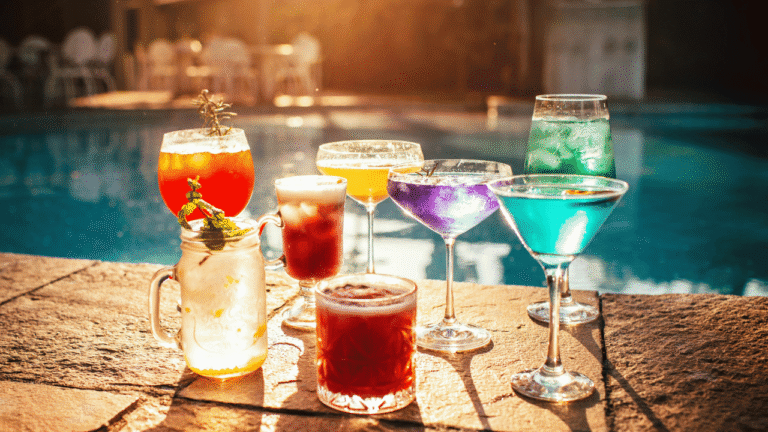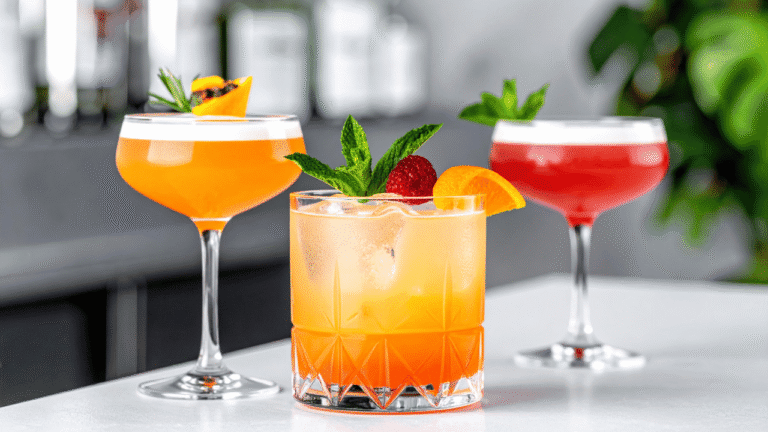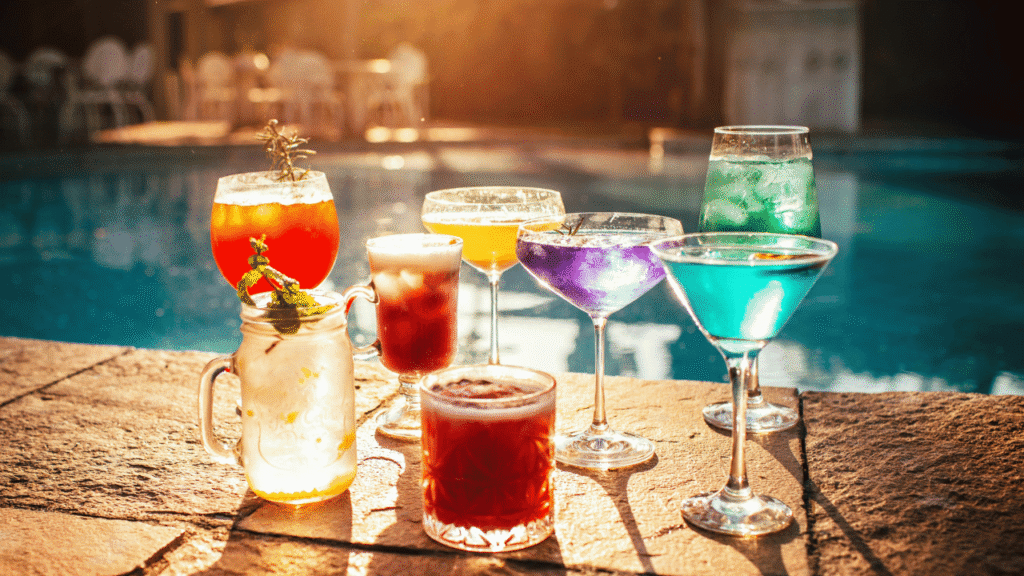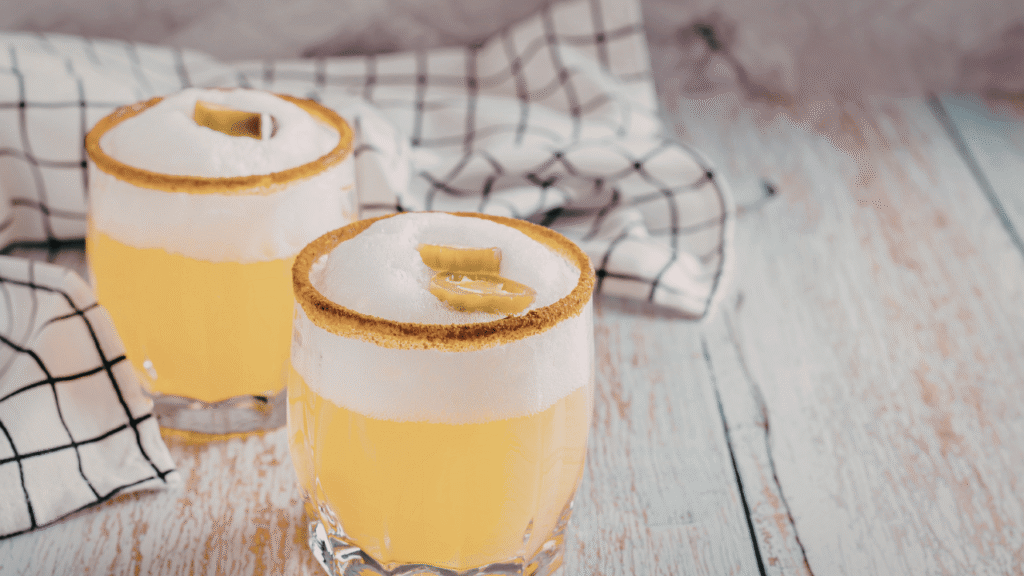

Ready to build a go-to list of fast, balanced drinks? This guide helps readers in the United States find standout vodka drinks and pick recipes that match taste and time.
Vodka Craft Cocktails, Vodka is a clear distilled spirit made from grains, fruit, or potatoes. A typical shot in the U.S. is 1.5 oz, and most cocktails use 1.5–2 oz pours so you can plan shopping and servings with ease.
We explain why a neutral base lets bold mixers and fresh ingredients lead. Simple highballs benefit from ginger beer, tonic, or flavored seltzer. Fresh lemon or lime cuts sweetness and brightens every recipe.
This small list covers Moscow Mules, cranberry-forward Cosmopolitans, Espresso Martinis, White Russians, quick-build highballs, shaken sours, and martini-style serves. Expect recipes that use few ingredients, basic tools, plenty of ice, and better mixers like Fever-Tree or Q Mixers for bar-quality results.
Key Takeaways
- Neutral spirit profile lets mixers and fresh fruit shine.
- Most recipes take under 10 minutes and need few tools.
- Use fresh citrus to balance sweetness and lift flavors.
- Plan pours at 1.5–2 oz for accurate shopping and serving.
- Better mixers and fresh ingredients deliver bar-quality drinks at home.
- List includes highballs, sours, and martini-style recipes for every skill level.
Why Vodka Shines in Craft Cocktails Today
A neutral base gives mixers room to sing, so the drink’s personality comes from what you add.
The neutral spirit lets ginger-forward highballs, tart cranberry blends, or citrus sours stay clean and focused. Use tonic, ginger beer, grapefruit or lemonade and the added flavor will lead every sip.
Compared with gin, which brings botanical notes, a neutral pour minimizes interference. That makes it ideal when you want the mix to dominate—think bright ginger or pure cranberry.
Balance matters: a squeeze of lime juice or lemon juice (about 0.5 oz) can lift a two-ingredient mix into a lively, bar-quality drink. Small acid adjustments change a drink dramatically.
- Quality mixers like Fever-Tree or Q Mixers make a flat drink pop.
- Work in building blocks: base spirit, acid, sweetener, dilution.
- Measure precisely for repeatable results.
- Keep staples on hand: fresh citrus, simple syrup, and a few premium mixers.
For more on pairing spirit and glassware, see this concise guide to pairing and technique: vodka cocktail pairing tips.
Essential Mixers and Ingredients for Better Vodka Cocktails
A handful of smart mixers and fresh ingredients will lift a simple spirit into a memorable drink.
Top mixers to keep stocked
Foundational mixers make the drink. Keep ginger beer for spice, tonic water for a bittersweet snap, and soda or sparkling water for a crisp finish.
Fruit juices add color and body. Stock cranberry and grapefruit juice, plus lemonade or fresh orange for quick, balanced two-ingredient recipes.
Fresh citrus, syrups, and a pinch of salt
Fresh lemon and lime brighten and balance sweet mixes. A small measure of simple syrup, maple, or flavored syrup tames acidity without heavy sugar.
A pinch of salt can enhance perceived sweetness and lift citrus-forward drinks. For savory builds, try tomato juice and season deliberately for depth.
- Choose premium water-based mixers to avoid off-flavors and get lively bubbles.
- Test grapefruit varieties (ruby red vs. white) to dial bitterness and sweetness.
- Measure ingredients accurately to keep sweet-sour balance consistent.
Troubleshooting: If a cocktail tastes flat, swap in fresher juice, colder ice, or a better mixer before increasing the spirit. Small changes often restore the intended flavor.
Moscow Mule with Ginger Beer and Lime
A well-built Mule balances bright citrus, spicy ginger, and icy refreshment in a single glass.
Build, stir, garnish: copper mug optional, flavor essential
Build it in a chilled copper mule mug or a highball glass. Fill with ice, add 1.5–2 oz vodka, then top with quality ginger beer such as Fever-Tree, Q Mixers, or Reed’s. Squeeze a lime wedge over the drink and drop it in.
Mint brightens the aroma. Crushed ice chills and dilutes faster; cubes keep the drink drier and spicier. Gentle stirring integrates the pour while keeping fizz intact.
- Adjust lime juice to taste — more acid trims sweetness and highlights ginger’s bite.
- Garnish with a lime wheel and a sprig of mint for aroma and visual appeal.
- Try a dash of ginger bitters to boost spice for a bolder profile.
- Pre-chill glassware to preserve carbonation and temperature at the bar or at home.
“A cold glass, sharp citrus, and a clean ginger mixer make the Mule sing.”
Tip: A premium ginger beer delivers cleaner heat and a truer finish than overly sweet alternatives. This approachable bar classic is ideal for learning balanced build-and-stir technique.
Cosmopolitan with Triple Sec and Cranberry
The Cosmo earns its name by balancing tart cranberry and lively orange notes.
Why cranberry juice cocktail matters
Canonical spec: combine 2 oz vodka, 1 oz cranberry juice cocktail, 3/4 oz lime juice, and 3/4 oz triple sec (Cointreau recommended).
Shake with plenty of ice and strain into a chilled martini glass. If you use unsweetened cranberry juice, add simple syrup in 0.25–0.5 oz increments to taste.
- Shaking method: shake hard until the shaker frosts for a crisp, silky texture and correct dilution.
- Sweetness: cranberry juice cocktail is pre-sweetened, which keeps the Cosmo balanced without extra sugar.
- Orange liqueur: Cointreau adds a bright, clean note that ties citrus and spirit together.
- Garnish with an orange twist for oils or a lime wheel to underline acidity.
- Try a lighter variation with mandarin vodka for a subtle fruit accent while keeping the classic profile intact.
“Measure citrus precisely; too much lime juice will push the drink from refreshing to puckering.”
White Russian and Coffee-Forward Variations
This classic mix puts coffee-forward notes front and center while a splash of cream softens the finish.
Core build: combine 1.5–2 oz vodka, 1 oz coffee liqueur, and 0.5–1 oz heavy cream. Serve over clear, fresh ice in a sturdy rocks glass and stir gently to integrate without losing layers.
Adjust the ratio to shift the profile. Use less cream and more spirit for a spirit-forward pour. Increase cream or lightly whip it before floating for a dessert-like mouthfeel.
- Technique: stir briefly over ice to keep layered color and texture.
- Sweetness dial: add a touch of vanilla or brown sugar syrup if the liqueur is very bitter. Taste before adding—brands vary in sugar content.
- Variations: the Blind Russian omits cream and ups the coffee liqueur; swap in cold brew concentrate for extra coffee intensity.
Pair this drink with small desserts or serve it as an after-dinner sipper. Clear ice prevents off-flavors and keeps the coffee notes clean, showing how the softer side of vodka can let coffee lead.
Vodka Craft Cocktails Espresso Martini Origins and Technique

Born in the 1980s, the Espresso Martini turned post-dinner coffee into a spirited sip.
Credit bartender Dick Bradsell with popularizing this mix. He paired a hot shot of espresso with spirit to create a bold, aromatic cocktail that still feels modern.
Dick Bradsell’s legacy and dialing sweetness
Classic proportions: 1.5 oz vodka, 1 oz freshly brewed espresso, 1 oz coffee liqueur, and 0.25–0.5 oz simple syrup to taste.
Start with 0.25 oz syrup and add more if you need balance. Brown sugar syrup gives a round, molasses-like depth for a richer profile.
Crema, shake, and coffee liqueur tips
Use hot, freshly pulled espresso to help form a stable crema. Shake very hard with plenty of ice to aerate and build the signature foamy top.
Double strain into a chilled glass to remove tiny ice shards and keep the texture velvety. Garnish with three coffee beans for aroma and classic presentation.
- Choose a well-balanced coffee liqueur so sweetness and coffee flavor integrate without becoming cloying.
- Troubleshoot weak crema: confirm espresso freshness and shake longer and harder.
- Simple variation: a pinch of salt can amplify perceived sweetness and tame bitterness.
“The Espresso Martini is a showcase of shaking technique and flavor balance.”
Bloody Mary Basics and Modern Garnishes
The Bloody Mary stands out as a savory brunch staple that blends umami and bright citrus. Start with a balanced build: 1.5–2 oz vodka, tomato juice, and a splash of lemon juice to lift bitterness.
Classic seasonings from the 1930s King Cole Bar at the St. Regis in NYC remain a perfect template: Worcestershire, black pepper, celery salt, and Tabasco.
Adjust seasoning to taste. Add horseradish, a dash of pickle brine, or extra hot sauce for heat. Salt plays a key role: it boosts tomato sweetness and frames acidity.
Service and Garnish Ideas
Serve in a highball or pint glass over plenty of ice. Stir gently rather than shake to keep body and avoid foam.
- Make a base mix ahead for groups and finish spice per glass.
- Try bold glass garnish: celery, olives, pickles, cherry tomatoes, lemon wedge, bacon, or cooked shrimp.
- Experiment with vegetable juice blends for extra depth and complexity.
“A squeeze of fresh citrus brightens and keeps this savory drink refreshing.”
Quick Vodka Classics You Can Mix in Minutes
For instant refreshment, reach for tall glasses, fresh juice, and clear, cold ice. These easy builds take under five minutes and work well for brunch, backyard gatherings, or a fast after-work pour.
Screwdriver with fresh orange juice
Fastest brunch choice: pour 50 ml vodka over ice in a tall glass, add freshly squeezed orange juice, stir gently, and finish with a citrus wheel. A dash of Angostura lifts aroma without extra steps.
Sea Breeze with cranberry and grapefruit juice
Combine vodka with cranberry juice cocktail and a splash of grapefruit juice for a tart-sweet highball. Add soda for a lighter lift and garnish with a lime wedge for brightness.
Fruity crowd-pleasers: Woo Woo and Sex on the Beach
Woo Woo mixes vodka, peach schnapps, and cranberry for immediate fruit punch flavor. Sex on the Beach adds orange juice to that base for a rounder, sweeter profile.
- Balance tip: use cranberry juice cocktail to keep sweetness in check; add fresh citrus if a recipe tastes too sweet.
- Prefer clear large ice cubes and chilled glassware to preserve crisp flavors in quick builds.
- Batch for parties by multiplying ounces into cups, then garnish and stir to order.
- Measure accurately even in fast mixes to ensure repeatable results; gentle stirring preserves texture.
- A simple Bloody Mary can also be assembled in about 10 minutes as a savory alternative.
“Keep measurements consistent and use fresh juice to lift even the simplest recipes.”
Lemon-Driven Favorites: Lemon Drop and Vodka Lemonade
Fresh lemon lifts a clear spirit and makes short recipes taste far more complex than they are.
Lemon Drop — Chill a martini glass, rim it with sugar mixed with finely grated lemon zest, and set aside. In a shaker add 2 oz vodka, 1 oz lemon juice, and 0.75–1 oz simple syrup. Shake hard with plenty of ice until the shaker frosts, then fine-strain for a sleek, crystalline presentation.
Control sweetness by varying the syrup from 0.75 to 1 oz. Add 0.5 oz triple sec for a subtle orange note if you like a brighter finish. Always use fresh lemon; bottled juice tastes flat and robs the drink of its snap.
Syrups, rims, and lemonade by the glass
Vodka Lemonade is the easiest summer crowd-pleaser: pour 1.5–2 oz vodka and top with lemonade. For DIY lemonade by the glass use 1 oz lemon juice, 1 oz simple syrup, and 4–6 oz water. Add sparkling water for a Collins-style fizz that keeps the drink lighter.
- Use large ice cubes to limit dilution while keeping the glass cold.
- Zest-forward garnishes boost aroma without adding sweetness.
- Batching tip: premix lemon juice and syrup; add vodka and water at service for picnics.
“Crisp, lemon-led options give bright refreshment with few ingredients.”
Vodka Cranberry and the Cape Codder
The Cape Codder proves that the simplest highball can be the most satisfying.
The classic Cape Codder pairs 2 oz vodka with 4–6 oz cranberry juice cocktail. Build it in a tall glass over clear ice and finish with a generous squeeze of lime juice.
Use cranberry juice cocktail to preserve balance without adding syrup or extra sweeteners. The lime cut keeps the finish bright and prevents the mix from tasting flat.
- Easy upgrades: a pinch of salt to amplify fruit notes or a thin lime wheel for extra aroma.
- Service tip: scale to pitchers for gatherings, then add fresh lime to each glass before serving.
- Test blends: taste different cranberry brands to find your ideal tartness level.
Measure accurately for a repeatable house version you can make anytime. Garnish with a lime wedge or twist to complement cranberry’s tart snap and enjoy an effortless gateway fruit-forward cocktail.
Greyhound and Salty Dog with Grapefruit Juice
Bright grapefruit lifts a two-ingredient pour into a refreshing, bitter-forward sip.
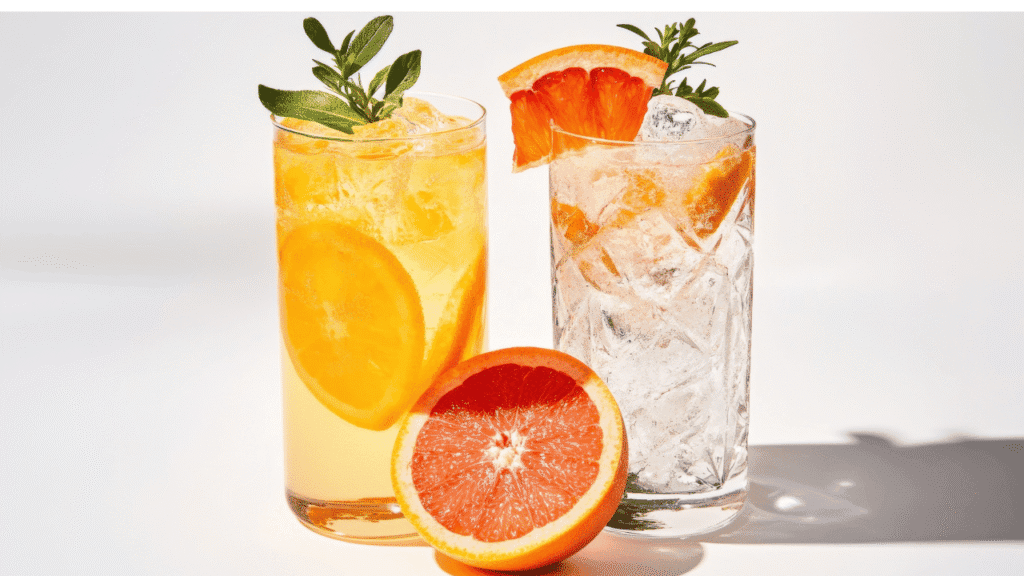
The Greyhound is minimalist: 2 oz vodka topped with 4–6 oz grapefruit juice over clear ice in a chilled highball glass. It highlights grapefruit’s brisk bitterness and citrus aroma for a clean, easy drink.
When to rim with salt vs. adding a pinch
The Salty Dog adds a salted rim to frame sweetness and tame sharp bitterness. A small pinch of salt stirred into the drink works nearly as well and is faster for at-home service.
- Fruit choice: use ruby red grapefruit for a sweeter profile, white grapefruit for a drier, more bitter sip.
- Service tip: chill the glass and use fresh ice to preserve citrus aromatics and slow dilution.
- Garnish: a grapefruit wedge or a sprig of rosemary adds aroma and visual appeal.
- Batching: pre-squeeze juice and rim glasses ahead for brunch; adjust the juice ratio by season.
Gentle stirring keeps clarity and consistent dilution. This simple recipe is a great template for exploring salty-sour balance in citrus drinks.
Vodka Craft Cocktails Vodka Martini and the Vesper

A proper martini rewards gentle technique and precise ratios more than fancy garnish.
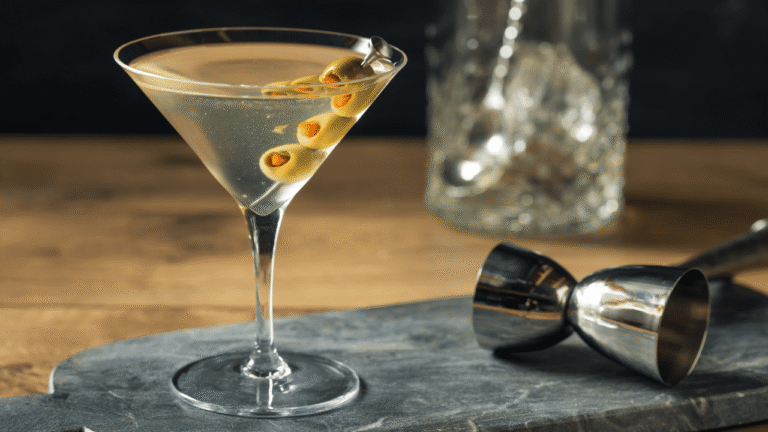
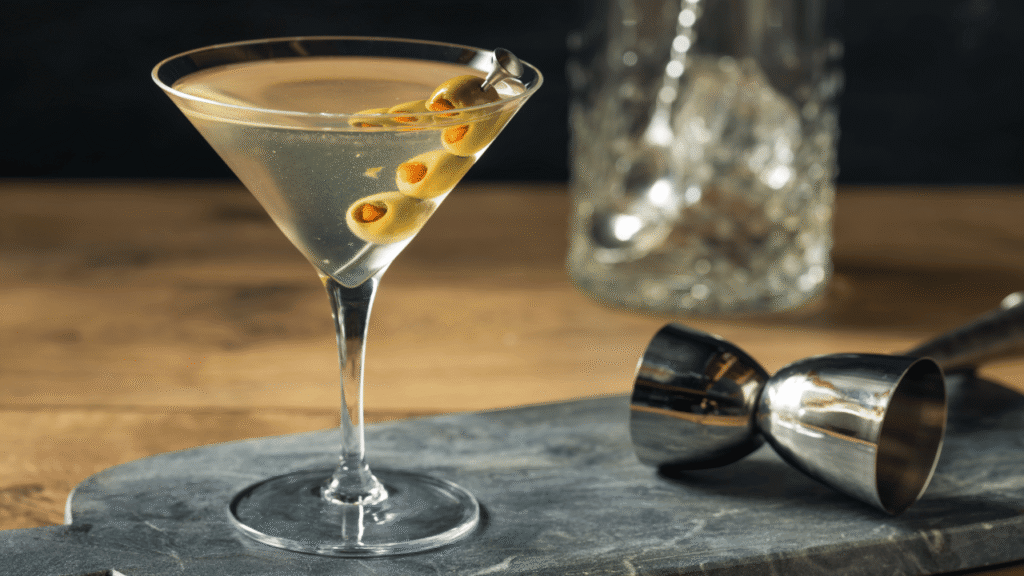
Vodka martini — standard build: 2.5 oz vodka and 0.5 oz dry vermouth. Stir with plenty of ice for about 30 seconds to chill and control dilution. Strain into a chilled glass for a cold, silky, spirit-forward result.
Garnish choices change the final note. A lemon twist adds bright oils. Olives give a savory edge. For a Dirty variation add a splash of brine and adjust vermouth down slightly.
Bond’s Vesper and technique notes
The Vesper combines 1 oz vodka, 3 oz gin, and 0.5 oz Lillet Blanc (a wine-based liqueur). Serve with a lemon twist. Shaking à la Bond adds extra dilution and aeration; stirring keeps it denser and clearer.
- Vermouth tip: keep dry vermouth refrigerated and use fresh bottles for a crisp profile.
- Measure precisely: small changes alter balance dramatically.
- Service: always strain into a chilled glass and serve immediately at the bar or at home.
“These are benchmark classics that reward attention to temperature, dilution, and garnish.”
Try different gin styles in the Vesper to tune citrus or spice and refine your preferred version of this iconic cocktail.
Vodka Soda and Vodka Tonic for Crisp, Clean Drinks
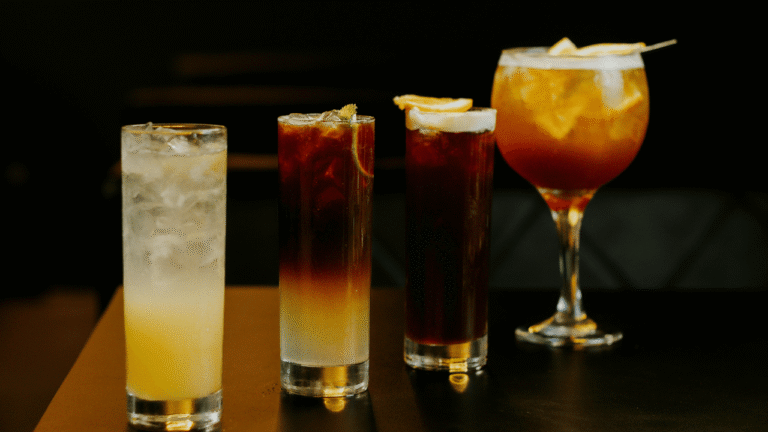
A tall glass with clear ice and sparkling water highlights bright citrus and subtle quinine. These highballs are minimalist by design: spirit, fizz, and a fresh twist make a fast, refreshing pour.
Vodka Tonic: measure 2 oz vodka and top with 4–6 oz premium tonic water over ice. A quality tonic gives a cleaner quinine bite and better carbonation.
Vodka Soda: pour 2 oz vodka and top with chilled sparkling water. Add a squeeze of fresh lime or lemon juice to lift the profile without adding sugar.
- These drinks are easy to mix and simple to customize with flavored seltzers for nuance.
- Use clear, cold ice and gentle stirring to preserve bubbles while integrating citrus.
- A small pinch of salt brightens lime and tones down tonic bitterness with almost no effort.
- Batching tip: pre-chill bottles and glassware; add citrus at service to keep brightness.
Why they work: these sessionable drinks feel light and crisp. Accurate measures keep the balance right so the pour remains refreshing, not overly boozy.
“A clean highball celebrates simplicity—good fizz, bright acid, and cold ice.”
Building Better Drinks at Home: Ice, Glassware, and Bar Tips
Small changes to ice, glassware, and tools make home drinks taste far closer to bar-quality pours. Focus on temperature, clean water, and consistent technique to get predictable results every time.
Highball vs. martini glass — service matters
The tall highball keeps a drink colder longer and preserves carbonation. It allows slower dilution, which suits long, fizzy serves.
The martini glass shifts aroma to the nose and favors spirit-forward recipes. Use chilled glassware to control temperature and maintain balance.
Crushed ice vs. large cubes
Crushed ice chills fast and dilutes quickly—ideal for tiki-style or slushy textures. Large clear cubes melt slowly and keep flavor intense in short pours.
Always freeze ice with filtered, fresh water to avoid off-flavors in clear-spirited drinks.
- Home bar list: jigger, shaker, bar spoon, fine strainer, and a reliable glass garnish tool (peeler).
- Measure pours: keep standard American pours at 1.5–2 oz for consistent recipes.
- Prep tips: make simple syrup and squeeze citrus ahead for quick weeknight service.
- Salt & garnish: use a light rim or pinch of salt to balance sweet-tart recipes; choose functional garnishes like olives or celery to boost aroma.
- Organization: keep a printed cheat sheet of favorite ratios and a short list of quality mixers (Fever-Tree, Q Mixers) so better inputs are always on hand.
“Better water, measured pours, and fresh ingredients are the simplest ways to improve every cocktail.”
Vodka Craft Cocktails: A Curated List of Must-Try Recipes

Handpicked quick builds that mix fresh juice, simple syrup, and approachable technique. These recipes work for weeknights or small gatherings and show how small tweaks change mood and texture.
Appletini, Caipirovska, Blue Lagoon, and Spa Day
Appletini: shake 2 oz spirit with cloudy apple juice, 0.5 oz lemon, and a barspoon of maple for round sweetness and bright apple-citrus notes.
Caipirovska: muddle lime wedges with sugar, add spirit and crushed ice. Expressed oils and crushed ice give sharp citrus lift and aromatic intensity.
Blue Lagoon: combine spirit, blue curaçao, and fresh citrus juices. Top with soda water for a fizzy, vivid finish that’s refreshing and visual.
Spa Day: a three-ingredient crowd-pleaser: spirit, fresh lemon, and mint simple syrup. Light, herbal, and easy to scale.
Extras, favorites, and tasting notes
- Include shaken standards like the Espresso Martini and Lemon Drop for coffee and citrus fans, and the White Russian for a creamy finish.
- Flavor upgrades: swap in mint or ginger syrup, a measured dash of bitters, or a different style of orange liqueur to tune sweetness and aroma.
- Practical picks: serve the Appletini in a chilled coupe, Caipirovska in a short rocks glass with crushed ice, and Blue Lagoon in a tall glass with a bright glass garnish.
“Keep ice and water quality high for clarity and clean flavor in clear-spirited drinks.”
Quick tasting guide: choose zesty for lime-driven sours, fruity for the Appletini or Blue Lagoon, creamy for White Russian, or caffeinated for Espresso Martini. These short recipes help you match a drink to the moment without extra fuss.
Conclusion
The easiest path to dependable drinks is mastering a few fast recipes and clean technique.
Vodka Craft Cocktails, start with quick builds like Mules, Cape Codders, and Sea Breezes before moving to shaken showstoppers such as the Cosmo and Espresso Martini. Bookmark a handful of favorite recipes and tweak citrus and sweetness to suit your palate.
Use fresh juice, quality mixers, cold clear ice, and chilled glassware to lift every pour. Explore savory lanes—Bloody Mary for brunch—and bright options with grapefruit or lemon-forward sours for crisp clarity.
Measure accurately, taste as you go, and keep ingredients fresh. Small tweaks like a pinch of salt or a different syrup can turn a familiar cocktail into your signature serve.
FAQ
What basic mixers should I keep on hand for making great vodka cocktails?
How do I balance sweet, sour, and salty flavors in a drink?
What glassware and ice should I use for different recipes?
Can I substitute soda or beer in cocktail recipes?
How do I make a better Espresso Martini at home?
What are simple garnish ideas that upgrade a Bloody Mary?
How can I make classic recipes like the Cosmopolitan and Lemon Drop taste fresher?
What’s the difference between a Greyhound and a Salty Dog?
How do I measure and pour to keep consistency at home?
What are quick go-to highball recipes to mix in minutes?