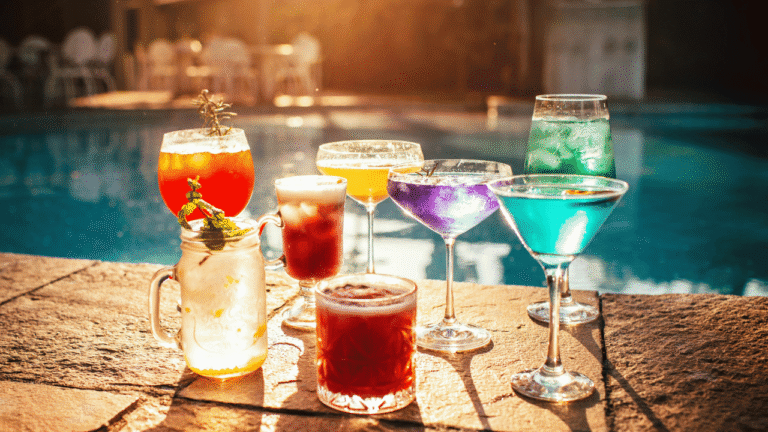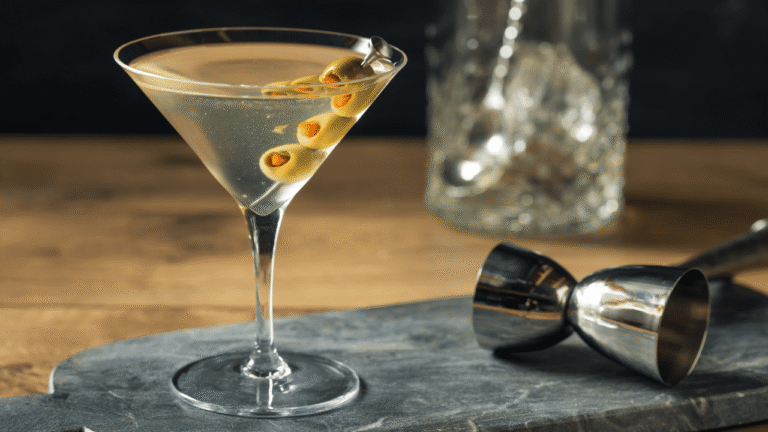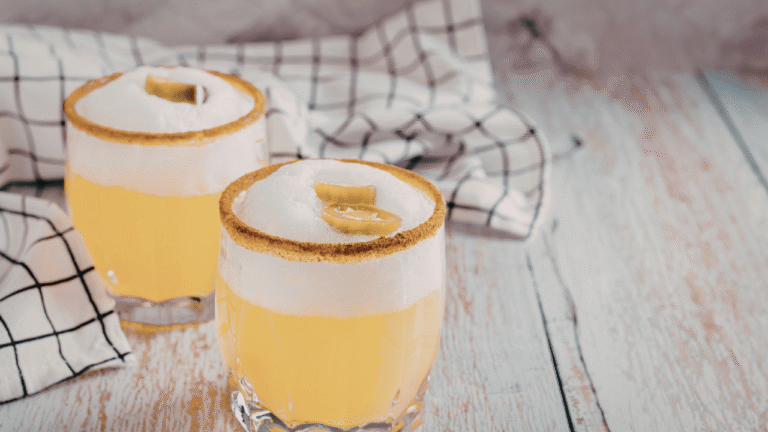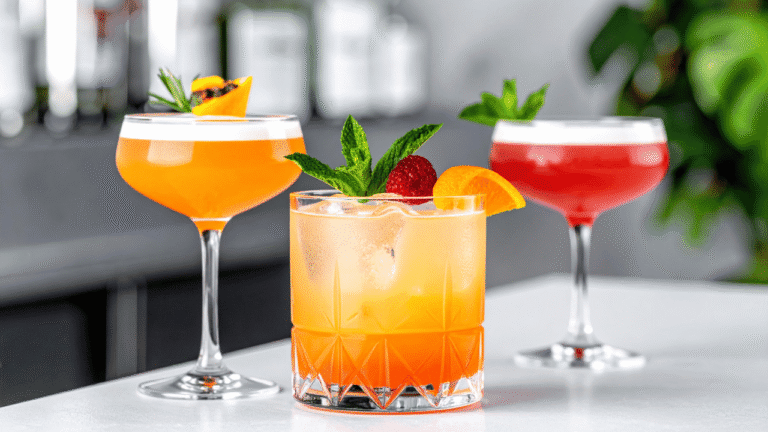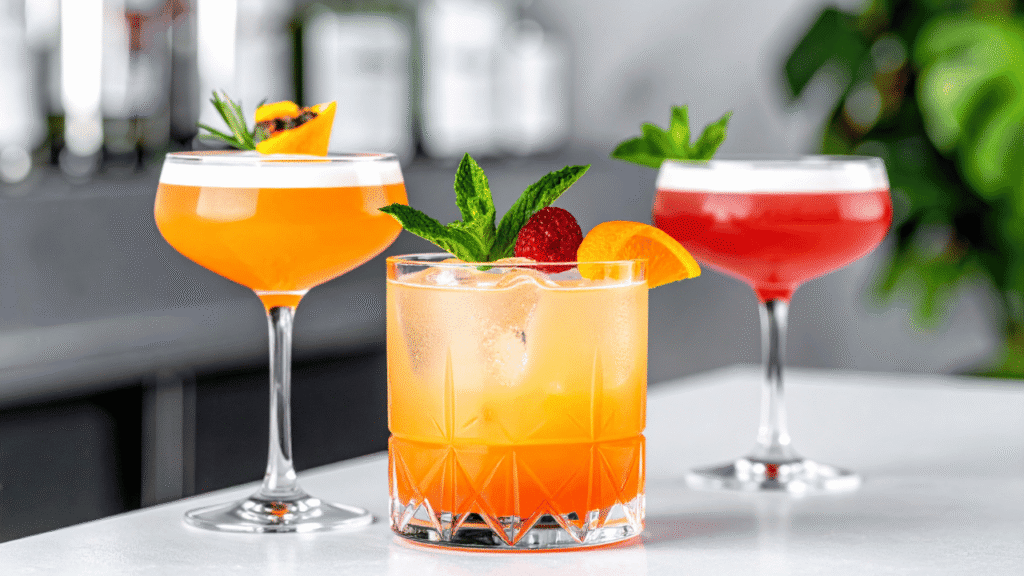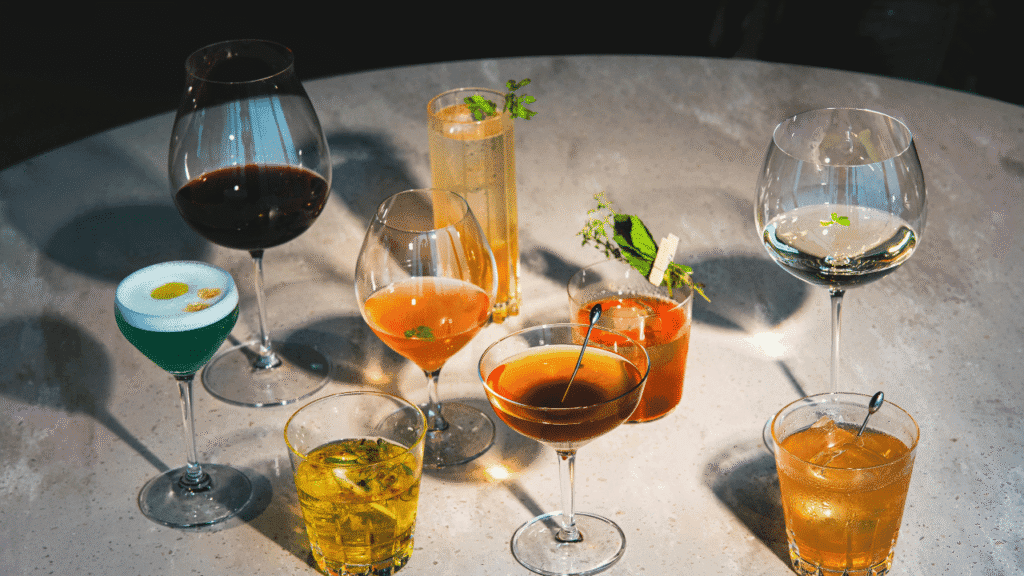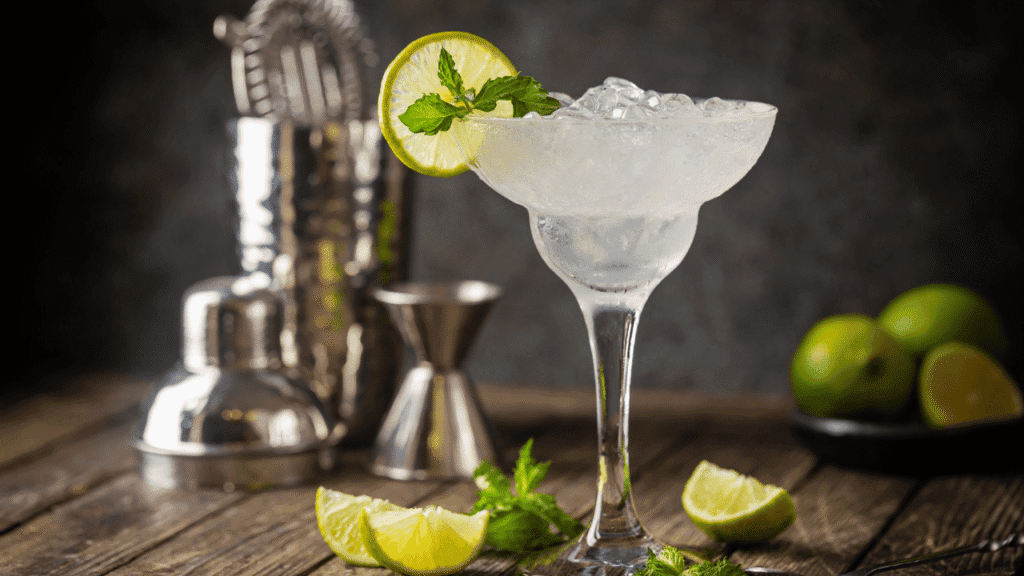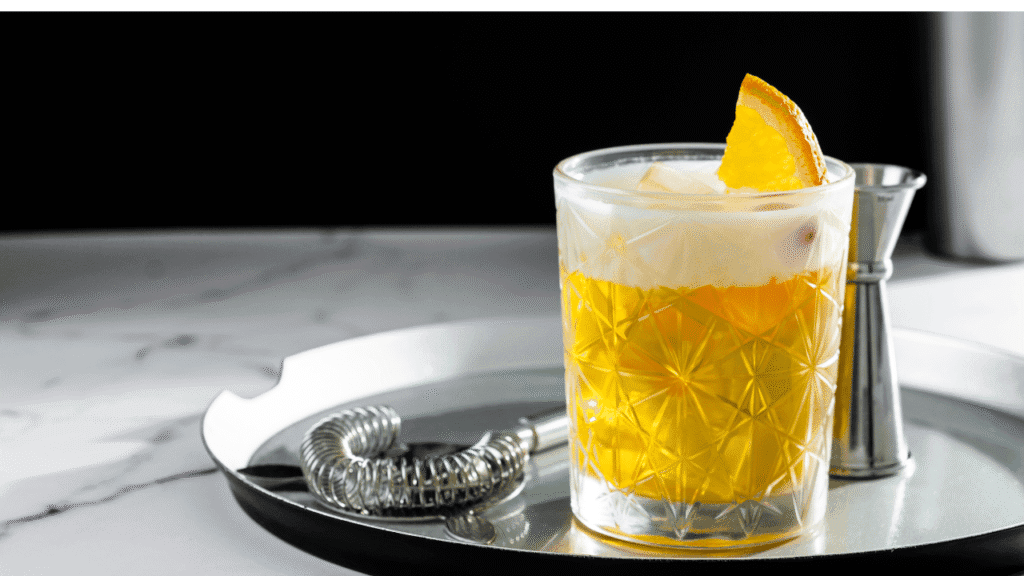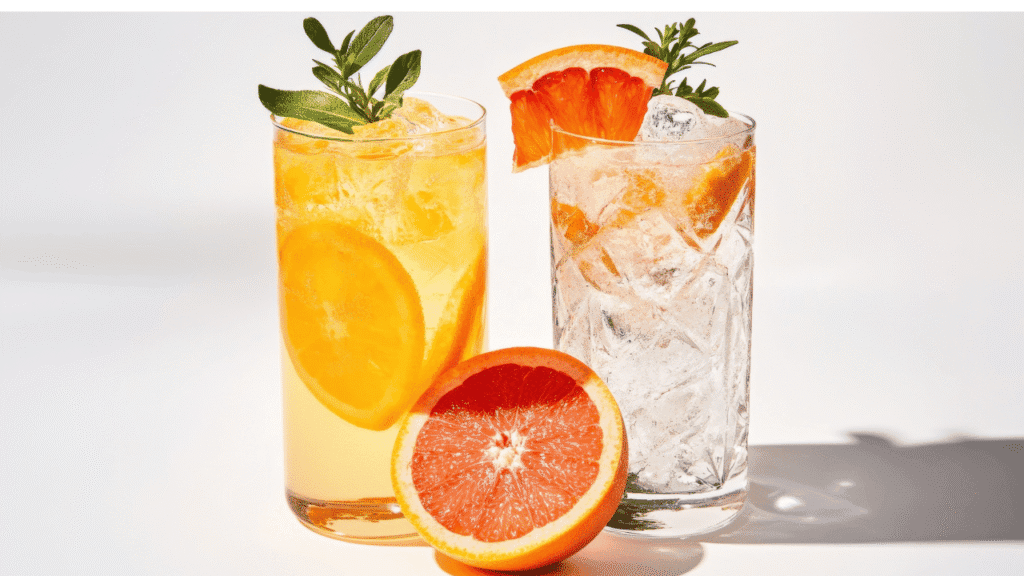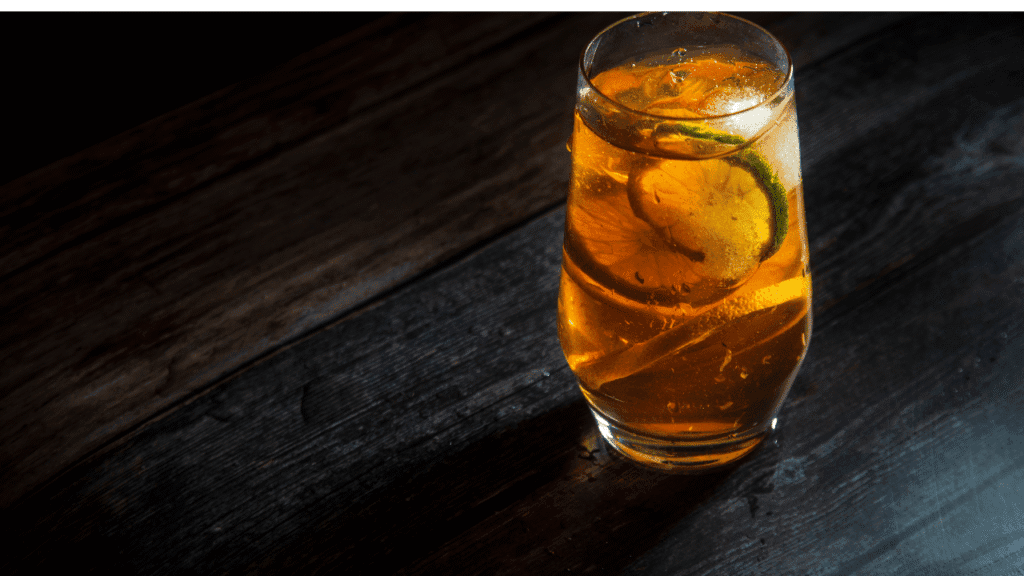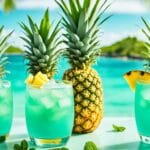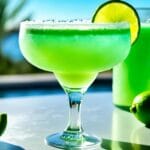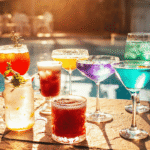
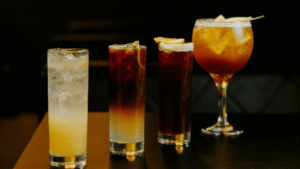

Begin a tasteful journey into the world of premium liqueur, where craftsmanship and flavor come together. This guide covers what premium liqueurs are, how they’re made, how to taste and pair them with food, and how to build a curated collection of bottles for cocktails and special occasions.
Along the way you’ll learn practical tips for mixing standout cocktails using premium liqueurs, pairing them with dessert and savory dishes, and choosing bottles that fit your budget and taste. Whether you’re exploring herbal amari, bright orange liqueurs, or creamy dessert options, this guide helps both beginners and experienced enthusiasts pick the right spirits for every moment.
Premium liqueurs span a spectrum of flavors — from bitter, botanical aperitifs to smooth, indulgent cream liqueurs — and each bottle offers a distinct experience. Learn when to sip a fine cognac neat, when to stir a classic cocktail, and when a dessert-style liqueur is the perfect finish to a meal.
If you plan to buy, we also cover practical details like where to find a thoughtful selection of bottles, how to compare price and quality, and what to expect for shipping and orders when you order online or visit a local shop. Ready to explore a world of elegance, one sip at a time?
Key Takeaways
- Premium liqueur offers a wide range of flavors and textures, from smooth cream liqueurs to vibrant botanical aperitifs.
- Great cocktails highlight a liqueur’s complexity — learn a few recipes to showcase each bottle.
- Thoughtful pairing of a liqueur with food can elevate desserts and savory dishes alike.
- Choosing the right bottle involves knowing styles, price points, and reliable retailers for safe shipping and timely orders.
- This guide gives the tasting, buying, and storage insight you need to build (and enjoy) a premium liqueur collection.
What is Liqueur? Understanding the Basics
Liqueur is a sweetened, flavored alcoholic beverage made by combining a distilled spirit with fruits, herbs, spices, botanicals, nuts, or cream. This section explains the core components, how liqueurs are made, and what sets different styles apart.
Definition and Origins
Liqueur dates back centuries and was originally produced for medicinal and herbal uses before evolving into culinary and cocktail ingredients. At its simplest, a liqueur is a flavored spirit finished with added sweetener — a formula that local producers around the world adapted to regional tastes and ingredients.
Key Ingredients
The main components of a liqueur are a base spirit, flavorings, and sweetener. Common choices include:
- Base spirits: neutral grain spirit, brandy, rum, or vodka — each gives a different backbone to the finished liqueur
- Fruit: raspberries, blackberries, oranges, and citrus peels for bright, fruity profiles
- Herbs & botanicals: anise, elderflower, and other botanicals (note: saffron is a spice used occasionally for specialty liqueurs)
- Spices & aromatics: cinnamon, vanilla, clove, and cocoa nibs
- Nuts & cream: almonds, hazelnuts, coffee, and cream for dessert-style liqueurs
Production Methods
Producers extract flavors by maceration (soaking), percolation, or redistillation, then blend the extract with the chosen base spirit and add sugar or other sweeteners to balance the profile. Some liqueurs are rested or aged in barrels to develop depth; others are bottled fresh to preserve bright fruit or floral notes.
Alcohol by volume (ABV) varies by style — cream liqueurs commonly sit in the 15–20% range, while herbal and fruit liqueurs often range from roughly 15% up to about 55% ABV depending on recipe and tradition. When editing, confirm specific ABV and proof figures for individual brands and styles.
The History of Liqueur: A Journey Through Time
Liqueurs have deep roots: many began as medicinal or herbal preparations and gradually evolved into culinary and cocktail ingredients. Over centuries, artisans around the world adapted local ingredients and techniques to create a vast variety of liqueurs that today enrich cocktails and culinary creations.
Archaeological research suggests that flavored alcoholic preparations date back millennia — early fermented and infused drinks appear in ancient China and the Near East. Scholar Dr. Patrick McGovern has written about ancient fermented beverages containing herbs, resins, and flowers; cite primary sources when quoting specifics.
In medieval Europe, monastic communities and apothecaries refined recipes using local herbs, fruits, and spices. Those early herbal and botanical liqueurs provided the foundation for many modern recipes and regional specialties.
“The art of crafting liqueurs is a testament to human ingenuity and the desire to create something extraordinary from simple ingredients.” – Dr. Patrick McGovern, Archaeochemist
Over time, liqueurs became essential components in cocktails — adding sweetness, aroma, and balance to mixed drinks. From classic barrel-aged cocktails to contemporary signatures, liqueurs lend depth and versatility to modern spirits-forward mixes.
The Rise and Fall of Alcohol Consumption in America
Alcohol consumption in America has fluctuated widely. Per-capita consumption rose in the 18th and early 19th centuries, then social movements such as temperance and changing cultural norms affected drinking patterns. Prohibition (ratified in 1919 by the 18th Amendment and largely repealed in 1933 by the 21st Amendment) dramatically altered production, distribution, and tastes for decades.
After World War II, the U.S. saw renewed interest in a variety of international spirits and liqueurs, helping fuel the cocktail revival and a growing appreciation for both classic and craft liqueurs. For historical claims and statistics, link to primary sources (historical consumption data, peer-reviewed studies, and archives) to ensure accuracy.
Types of Liqueur: A Flavorful Spectrum
Step into the world of liqueurs, where flavor and aromatics define style. Liqueurs range from bitter, herb-forward aperitifs to bright fruit liqueurs and rich, creamy dessert options. Below are the principal families and tasting notes to help you choose.
Herbal and Botanical Liqueurs
Herbal liqueurs (often made from complex blends of botanicals) deliver layered, savory notes ideal for sipping or pairing with cocktails. Examples:
- Chartreuse — intensely herbal with green herb, honey, and spicy notes; great as a digestif or in stirred cocktails.
- Benedictine — honeyed, warm spice and herb character, smoother and sweeter than some herbals.
Fruit-Based Liqueurs
Fruit liqueurs showcase citrus, berry, or stone-fruit brightness and are staples in many recipes. Examples and profiles:
- Cointreau (orange liqueur) — clean, zesty orange oil character; essential in Margaritas and Sidecars.
- Chambord — black raspberry and vanilla richness that works well in sparkling cocktails and desserts.
“Liqueurs are the unsung heroes of the cocktail world, adding depth, complexity, and a touch of sweetness to any drink.” – Mixologist extraordinaire, John Smith
Cream and Dessert Liqueurs
Cream liqueurs and dessert-style bottles are for sipping, coffee pairing, and baking. They tend to be lower in ABV and higher in sugar and body. Examples:
- Baileys-style cream liqueurs — smooth, milky texture with cocoa and vanilla notes; perfect over ice or in coffee.
- Kahlúa — coffee-forward liqueur with chocolate undertones, ideal in cocktails like the Espresso Martini or in desserts.
- Marula-based liqueurs — fruity, slightly floral profiles from marula fruit, often used in premium cream blends.
Quick comparison: herbal liqueurs = complex, higher proof; fruit liqueurs = bright, versatile; cream liqueurs = dessert-friendly, lower proof. Use this guide to match a liqueur to a cocktail, dessert, or tasting flight.
How to Taste and Appreciate Liqueur
Tasting liqueurs is a sensory exercise that reveals their layered flavors and shows why they’re such versatile drinks. With a simple tasting routine and a few pairing rules, you can better appreciate texture, aroma, and finish — whether you’re sampling herbal aperitifs, bright fruit liqueurs, or rich cream bottles.
The Art of Tasting
Follow a short checklist to get the most from each pour: look, swirl, nose, sip, and note the finish. Rather than fixating on an exact clock time, choose a moment when your palate is neutral — avoid strongly flavored food, coffee, or mints at least 15–30 minutes beforehand.
- Look: Note color and viscosity; darker or more syrupy liqueurs often indicate higher sugar and body.
- Swirl & Nose: Gently swirl to release aromas, then take short, controlled sniffs to identify dominant notes (citrus, botanical, coffee, chocolate).
- Sip: Take a small sip, let it coat your tongue, and breathe gently through your nose to amplify aroma perception.
- Finish: Notice the aftertaste — lingering spice, sweetness, or bitterness reveals complexity.
Adding a few drops of water or tasting with a small ice cube can open up certain flavor compounds and soften high alcohol notes; this technique works well for higher-ABV herbal liqueurs. For cream liqueurs, taste them slightly chilled or over ice to appreciate texture and sweetness balance.
Identifying Flavor Profiles
Listen for primary tastes (sweet, bitter) and secondary notes such as citrus peel, vanilla, coffee, chocolate, or floral botanicals. Make short tasting notes — e.g., “vanilla, light cocoa finish” — to track preferences across samples.
“The finish of a spirit, including its aftertaste, showcases complexity, flavors, and craftsmanship.” – Renaud Fillioux de Gironde
Pairing Liqueur with Food
Smart pairings elevate both the liqueur and the dish. Avoid pairing spicy or strongly bitter foods with delicate liqueurs, as they can mask subtler notes. Practical matches:
- Chocolate liqueurs → dark chocolate desserts or chocolate mousse.
- Coffee liqueurs → espresso, tiramisu, or coffee-based desserts.
- Citrus/orange liqueurs → fruit tarts, citrus salads, or light cheeseboards.
- Herbal liqueurs → cured meats, sharp cheeses, or as a small digestif after a heavy meal.
Try a small tasting flight of 3–4 contrasting liqueurs (e.g., herbal, fruit, cream, and coffee) served in small tulip or snifter glasses. Record brief notes and experiment with simple pairings — you’ll quickly learn which styles you prefer and why.
Crafting Your Liqueur Collection
Building a personal liqueur collection is one of the most rewarding ways to explore the world of fine spirits. A thoughtfully curated selection of bottles lets you mix classic and modern cocktails, create memorable dessert pairings, and host tasting flights that showcase different styles and flavors.
Begin with a small set of versatile base spirits and liqueurs so you can make many cocktails without breaking the bank. A practical starter list includes: vodka, gin, tequila, whiskey/bourbon, and rum — these bases will cover most classic recipes. For liqueurs, aim to own one orange liqueur (Cointreau or Grand Marnier), one floral/elderflower (St‑Germain), a coffee liqueur (Kahlúa), a bitter aperitif (Campari), and a cream liqueur for desserts.
Selecting Premium Brands and Price Guidance
When stepping up to premium bottles, look for clear provenance, tasting notes, and reviews. For orange liqueurs, compare Cointreau and Grand Marnier on flavor concentration and price — Cointreau is typically brighter and cleaner, while Grand Marnier uses cognac as its base, adding depth. Set price expectations: a reliable everyday bottle might be in the $20–$40 range, mid-tier collectables in the $40–$80 range, and special bottles or aged expressions can cost $100+.
Essential Bottles for Beginners
Starter shopping list (compact, versatile):
- Cointreau or Grand Marnier — a must for Margaritas, Sidecars, and many classic recipes (orange liqueur)
- St‑Germain — floral, great in sparkling cocktails
- Baileys or similar — for coffee, dessert cocktails, and baking (like Baileys / coffee cream options)
- Kahlúa — coffee liqueur essential for Espresso Martinis and desserts
- Campari — bitter backbone for Negronis and aperitifs
Put these in a compact set or gift set (3–5 bottles) if you want a ready-made starter collection to give as a gift.
Buying, Shipping, and Orders
Shop locally at a trusted liquor store for immediate access and expert advice, or browse liqueurs online to compare selection and price. When ordering online, confirm shipping restrictions in your state, delivery times, and return policies. Look for retailers that clearly list shipping fees and estimated delivery so your orders arrive intact. If you plan to order a high-end bottle, ask about insured shipping and signature requirements.
Storage, Display, and Bottle Care
Store liqueurs upright in a cool, dark place. Most spirit-based liqueurs can be kept for years unopened; cream liqueurs have shorter shelf lives once opened—refrigerate according to the label and aim to consume within a few months after opening. Display a small bar cabinet or shelf for easy access and to showcase a curated selection.
A well-curated liqueur collection reflects your taste and makes entertaining easier — from a quick shot to a crafted cocktail.
Iconic Liqueur Cocktails to Try
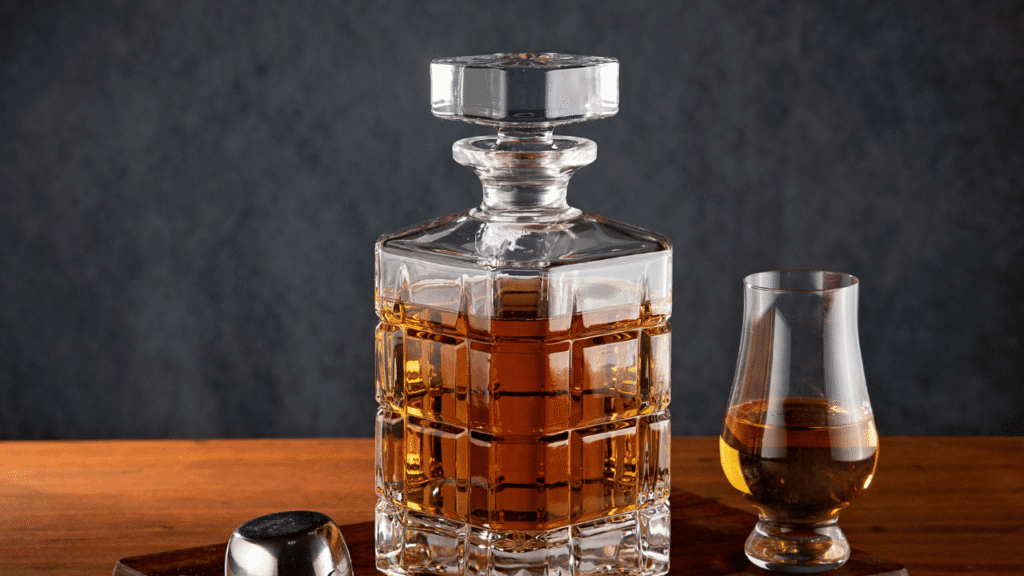
With a small, solid collection you can make both classic and contemporary cocktails. Here are quick examples and why they matter:
Classic Recipes
Margarita — a classic that depends on a quality orange liqueur (Cointreau or Grand Marnier) and good tequila; simple ratios highlight fresh lime. Sidecar — requires an orange liqueur and cognac or brandy for balance.
“The Margarita is a perfect example of a classic liqueur cocktail that has stood the test of time.”
Contemporary Mixology
Espresso Martini — Kahlúa (coffee liqueur) with vodka and a fresh espresso; serve in a chilled coupe with a crema top. Baileys Martini — cream liqueur shaken with vodka for a dessert-style cocktail (serve chilled or over ice).
Pro Tips
- Keep a small bag of cocktail ice and a shaker ready for cocktails; a single good shot measure and fresh citrus lift homemade drinks instantly.
- Include recipe cards or links to full recipes for each signature cocktail so guests can recreate favorites at home.
The Role of Liqueur in Culinary Arts
Liqueurs do more than flavor cocktails — they’re powerful culinary tools that add depth to sauces, desserts, and savory dishes. Chefs and home cooks use liqueurs to layer sweetness, acidity, and aromatics into recipes, transforming ordinary dishes into memorable plates.
Cooking with Liqueur: From Sauces to Desserts
Alcohol behaves differently depending on heat and cooking time; some volatile compounds evaporate quickly while others remain bound in the dish. For accuracy, consult authoritative sources on alcohol retention in cooking (USDA and peer-reviewed food-science studies) when writing recipes.
Common culinary uses include deglazing a pan with a fruit liqueur for a glaze, adding a splash of coffee liqueur to chocolate sauces, or finishing a pan sauce with an herbal liqueur to add aromatic complexity. Classic dishes that benefit from spirits or fortified wines include coq au vin, chicken marsala, and boeuf bourguignon — while beer and darker spirits often enrich chilis and grilled meats.
- Coq au vin — wine and brandy deepen savory notes.
- Chicken cacciatore — tomatoes brightened by a splash of liqueur or fortified wine.
- Chicken marsala — marsala wine for sweet‑savory balance.
- Boeuf bourguignon — long braise with wine and aromatics.
- Beer‑braised bratwurst or chili — beer adds malt and bitterness balance.
Infusing Flavors in Baking
Liqueurs and infused spirits are excellent in baking — added to batters, fillings, or syrups to introduce concentrated flavor. Shorter infusion times (1–2 weeks) can work for delicate fruit flavors; stronger, spicier infusions may benefit from 4–12 weeks. Rather than a single sugar rule, recommend a sugar range (for example, 100–300 g per liter of spirit depending on desired sweetness) and adjust after tasting.
“Baking with liqueurs allows me to create desserts with complex flavor profiles that really stand out.” – Pastry Chef Emily Thompson
Liqueur in Modern Gastronomy
Modern chefs use liqueurs to flambé, deglaze, reduce into glazes, or incorporate into foams and gels. Reductions concentrate flavor; a tablespoon or two can dramatically shift a dish’s profile. Always balance the alcohol with acid, fat, or sweetness depending on the recipe.
Choose the right liqueur and portion size: a small amount of an intense herbal liqueur can overpower, while a gentle fruit liqueur can lift a sauce or dessert.
Sustainable and Artisanal Liqueur Brands
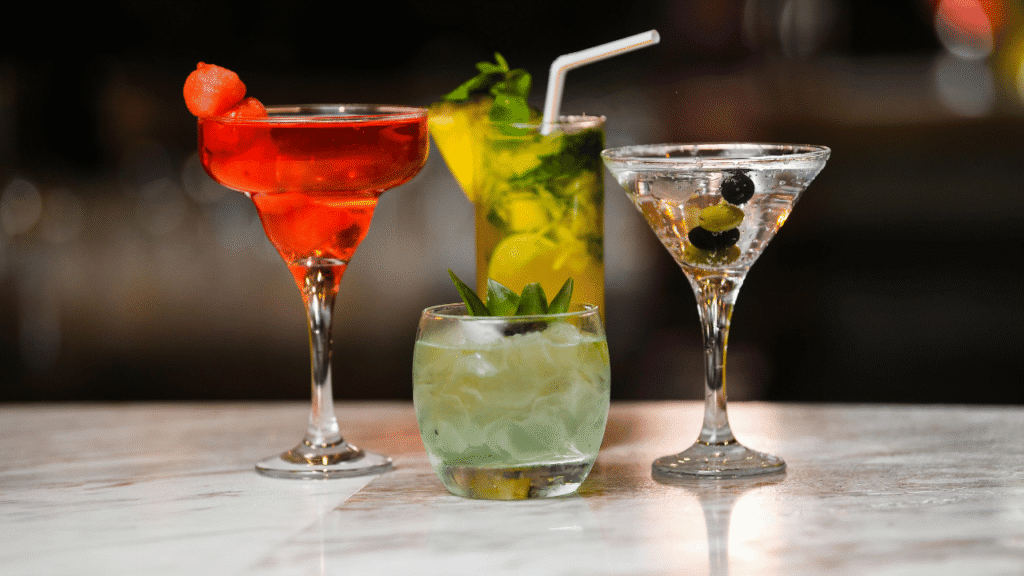
Consumers increasingly look for small-batch, artisanal liqueurs and brands with sustainable practices. Many craft distillers source local botanicals and adopt eco-friendly production methods, which can produce unique flavor profiles tied to a place.
Eco-Friendly Production Techniques
Look for distillers that report energy reductions, water-saving measures, and waste reuse in sustainability reports. When editing, verify any brand claims (e.g., solar power usage or carbon-neutral certifications) against company disclosures or third-party audits before publishing.
Spotlight on Small-Batch Distillers
Small-batch producers often hand-select botanicals and monitor each step of production to ensure quality. These makers can introduce rare ingredients — like marula fruit in specialty cream blends — that bring distinctive regional character.
“We believe in creating spirits that not only taste great but also make a positive impact on the environment and the communities we work with.” – Gray Whale Gin
Supporting Local Producers
Buying locally produced liqueurs helps communities and often reduces carbon emissions associated with long-distance shipping. When you order liqueurs online, check the retailer’s shipping policies and origin information so you can weigh convenience against sustainability.
How to Make Your Own Liqueur at Home
Making homemade liqueur (infusions, not distilled spirits) is legal in the U.S. and a great introduction to flavor work. Note: distilling spirits at home requires a license — don’t attempt home distillation without proper permits. Infused liqueurs can be made safely in jars with a clear, neutral base spirit like vodka.
Timelines and sugar: infusion periods vary — from 1–12 weeks depending on ingredients and intensity desired. Use a flexible sweetener guideline (for example, 100–300 g sugar per liter) and taste as you go instead of strictly following a single “12 tablespoons” rule.
Basic Ingredients Needed
- Base spirit (e.g., vodka)
- Fresh or dried fruits, herbs, spices
- Granulated sugar or alternative sweeteners
- Clean, airtight jars for infusion
- Decorative bottles for finished liqueurs
Step-by-Step Infusion Process
- Prep ingredients (wash, dry, and cut as needed).
- Place ingredients in jars and cover with spirit so they are fully submerged.
- Add sugar to taste or wait to sweeten after initial steep to control sweetness precisely.
- Seal and store in a cool, dark spot; shake gently every few days.
- Taste periodically; when flavor is right (anywhere from 1–12 weeks), strain through cheesecloth and bottle.
Customizing Your Flavor Profile
Experiment with combinations like vanilla + cinnamon, raspberry + mint, orange + clove, or coffee + cocoa nibs. Label batches with date and recipe, and note how long they steeped so you can replicate your favorites.
With careful technique and good ingredients, homemade liqueurs offer a creative, low-cost way to expand your bar and kitchen — and they make thoughtful, handcrafted gifts.
Navigating Liqueur Labels and Classifications
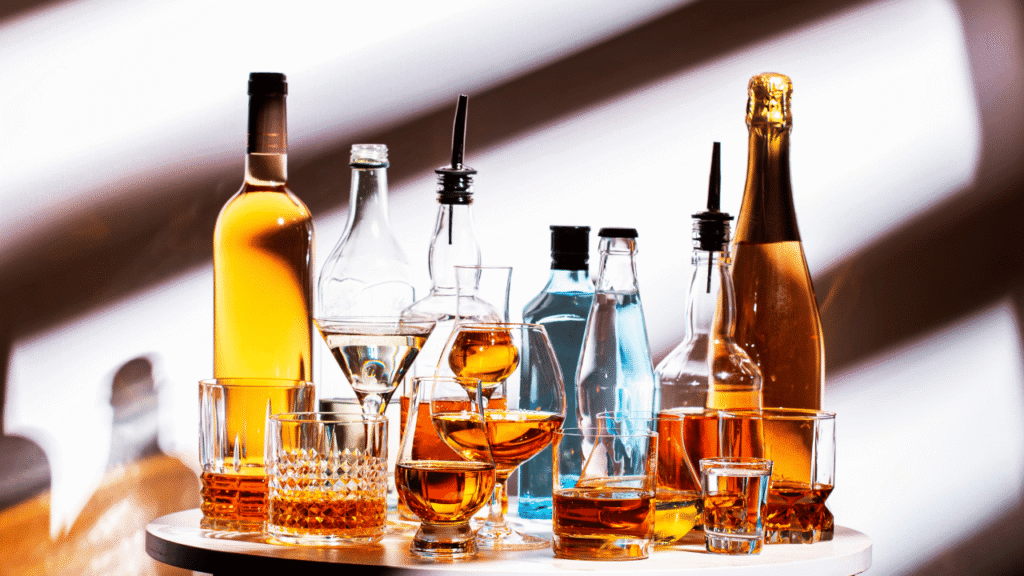
Reading a liqueur label gives immediate clues about style, strength, and origin — all useful when choosing a bottle. Labels typically list the declared alcohol by volume (ABV), ingredients or principal flavor, and any regional or production claims. Understanding these elements helps you pick the right bottle for cocktails, sipping, or gifting.
Understanding Alcohol Content and Proof
Liqueurs often have lower ABV than straight spirits, but ranges vary by style: cream liqueurs commonly sit around 15–20% ABV, while some herbal or fruit liqueurs may range higher, sometimes into the 40–50% range. When editing, confirm the exact ABV and proof on a bottle label. Regulatory bodies such as the TTB set labeling rules — always cite up-to-date agency guidance for accuracy.
Small discrepancies can occur between declared and measured ABV; reputable producers disclose exact ABV on the label, which is a good quality signal.
Identifying Quality Indicators
Look for clear information on ingredients (real fruit, natural botanicals), origin (protected or traditional regions), and production methods (small-batch, aged in barrels). Terms like “artisanal,” “small-batch,” and named botanicals (e.g., Chartreuse’s botanicals) can indicate a more craft-oriented product, but verify claims where possible.
“Crafting a great liqueur requires patience, skill, and the finest ingredients. Our label reflects our dedication to these principles, ensuring that every sip is a delightful experience.”
Regional Specialties and Protected Terms
Many liqueurs are tied to place-based traditions. Examples include Italian limoncello styles, French fruit brandies, and other regional specialties. Regional terms or protected designations (where applicable) can point to specific ingredient or production standards — check the label or producer site for details.
Labels and Shopping: Price, Shipping, and Ordering
When you shop for liqueurs, compare price alongside ABV and ingredient lists. Buy at a trusted liquor store for immediate selection and expert advice, or browse liqueurs online to compare a wider range. If you order online, review shipping rules, delivery estimates, and refund policies — some states restrict shipment of alcohol, and retailers often require age-verification and signature on delivery. Factor in shipping costs when comparing total price for rare or international bottles.
Labels to Trust — and Red Flags
Trusted labels include clear ABV/proof, ingredient transparency (natural fruit, named botanicals), and producer contact information. Red flags include vague terms with no provenance, missing ABV, or unverified “organic” or “sustainable” claims — always cross-check producer claims on their website or sustainability reports.
Liqueur in Different Cultures
Liqueurs reflect regional tastes around the world. European traditions include French and Italian liqueurs and digestifs (think cognac-influenced blends and regional liqueurs). Asian spirits and flavored liquors bring different raw materials and techniques, while the American craft movement emphasizes local botanicals and experimental flavors.
European and Global Traditions
French liqueurs often show refined technique and classical flavor balance; Italian liqueurs showcase regional citrus and herbal traditions. Global influences expand the category with ingredients like marula fruit in African blends and unique botanical mixes from small distillers.
The Rise of Craft and What It Means for Labels
As craft producers multiply, expect more detailed labels that list botanicals, production notes, and batch numbers. This transparency helps you evaluate quality and provenance.
The Future: Trends and Innovation
Look for continued experimentation: lower-sugar expressions, clearer labeling of botanicals, and tech-driven consistency in small-batch production. These trends will affect how liqueurs are marketed, labeled, and purchased.
FAQ
What is the difference between liquor and liqueur?
How are liqueurs produced?
What are some popular types of liqueurs?
How should I store my liqueur collection?
What should I look for when buying online?