
National Bourbon Heritage Month in September is a great reminder that some recipes never go out of style. This guide points to timeless recipes you can make year after year.
Classic Bourbon Mixed Drinks, expect a listicle that explains what counts as a true staple, which tools matter, and how to pick a drink by flavor—sweet, bitter, citrusy, herbal, or warm. I will preview core favorites like the Old Fashioned, Manhattan, Mint Julep, and the Whiskey Sour family.
Why this spirit works so well: it stands up neat and also holds its character against citrus, bitters, vermouth, and sweeteners. That balance is why bartenders and home enthusiasts reach for it again and again.
You’ll also find regional picks—Kentucky Buck, Scofflaw, Remember the Maine, and Milk Punch—and practical at-home notes on stocking, glassware, ice, garnishes, and simple techniques that shift taste and balance.
Note: Some historic whiskey recipes use rye, but this spirit is a common, accepted substitute in many U.S. bars and home setups. For more recipes and context, see bourbon drink recipes.
Key Takeaways
- September marks National Bourbon Heritage Month—celebrate with timeless recipes.
- This guide covers staples, tools, and flavor-based choices for every taste.
- The spirit pairs well with citrus, bitters, vermouth, and sweeteners.
- Includes core cocktails and regional or era-linked favorites for variety.
- Offers practical tips: stocking, glassware, ice, garnishes, and simple technique notes.
- Rye may be traditional in some recipes, but substitution is common and accepted.
What Makes a Bourbon Cocktail “Classic” in the United States
A true American cocktail earns its place on menus by a long history, a stable recipe, and broad recognition among bartenders and home hosts.
Why the spirit is a go-to mixer and sipper
Bourbon often reads sweeter and smoother than other whiskey styles because it must be made in the United States and use at least 51% corn.
That corn base plus new charred oak aging lends vanilla, caramel, and gentle spice that stand up to citrus, vermouth, and bitters.
Core flavor notes that show up in classic cocktails
Look for oak, vanilla, caramel sweetness, and mild baking-spice. These notes add weight and roundness to a cocktail.
They pull the drink toward balance when mixed with lemon, sweet vermouth, or a few dashes of Angostura.
When recipes call for rye versus this spirit
Rye was common in pre-Prohibition builds for its sharper spice and dryer finish. Today, many home bartenders use the sweeter spirit for a fuller mouthfeel.
Quick rule: pick rye for punchy spice and dryness; pick the sweeter spirit for a softer, fuller finish.
Recipe authenticity note: classics evolve, but technique — stirring vs. shaking and correct dilution — matters as much as the spirit choice.
Essential Bourbon Cocktail Building Blocks to Stock at Home
Stocking a small pantry of go-to ingredients lets you build most signature cocktails without a run to the store.
Sweeteners: simple syrup, sugar cube, and granulated sugar
Use simple syrup (equal parts sugar and water) for fast blending in shaken recipes. It dissolves instantly and keeps texture smooth.
Reserve a sugar cube for stirred Old Fashioned-style builds where slow dissolution is part of the ritual. Granulated sugar works well for muddled juleps and smashes.
Bitters basics
Bitters add backbone and complexity. Angostura bitters brings warm spice and structure, while orange bitters gives bright aromatic lift.
Keep bitters at room temperature for long shelf life.
Citrus and modifiers
Always squeeze fresh lemon juice for sours. Store a few whole fresh lemons for peels and twists to express oils from the peel.
Stock sweet vermouth for Manhattans and a bottle of ginger beer for bucks and mules. Honey syrup (equal parts honey and water) blends better than straight honey in shaken recipes.
- Buy-once pantry: simple syrup, granulated sugar, a few sugar cubes, bitters, sweet vermouth, fresh lemons, ginger beer, honey syrup.
- Storage notes: refrigerate vermouth, batch syrup for a week, keep bitters at room temp.
Ice, Glass, and Garnish Rules That Change the Taste
Ice, the serving vessel, and the final garnish act like ingredients. Their combined effect controls dilution, aroma, and the first impression of a sip. Think of melting water as an active component that smooths and opens flavors.
Crushed versus large cubes
Crushed ice chills fast and dilutes fast. It suits juleps and any tall, refreshing pour that benefits from quick cooling and texture.
A single large ice cube slows dilution. Use an ice cube or sphere for spirit-forward serves to keep alcohol intensity and preserve aroma.
Which glass to choose
Use a rocks or lowball glass for built drinks over ice. Reserve a chilled cocktail glass for stirred-and-strained recipes like Manhattans. A mug is best for warm pours such as a Hot Toddy.
Garnish that matters
Citrus oils from an orange peel or lemon twist change the nose and first sip. A cherry adds a mild sweetness and a familiar finish. Always express the peel over the drink and place the slice or twist where it can release aroma.
- Tip: Pre-chill the cocktail glass and use clear, good-quality ice for the cleanest water profile.
- Tip: Match ice size to pace: crushed for quick cool, large cube for slow melt.
These technique choices — ice, glass, garnish — set the tone for the recipes that follow and help you tailor balance, aroma, and finish. Learn more cocktail techniques at cocktail techniques.
Old Fashioned Done Right Classic Bourbon Mixed Drinks
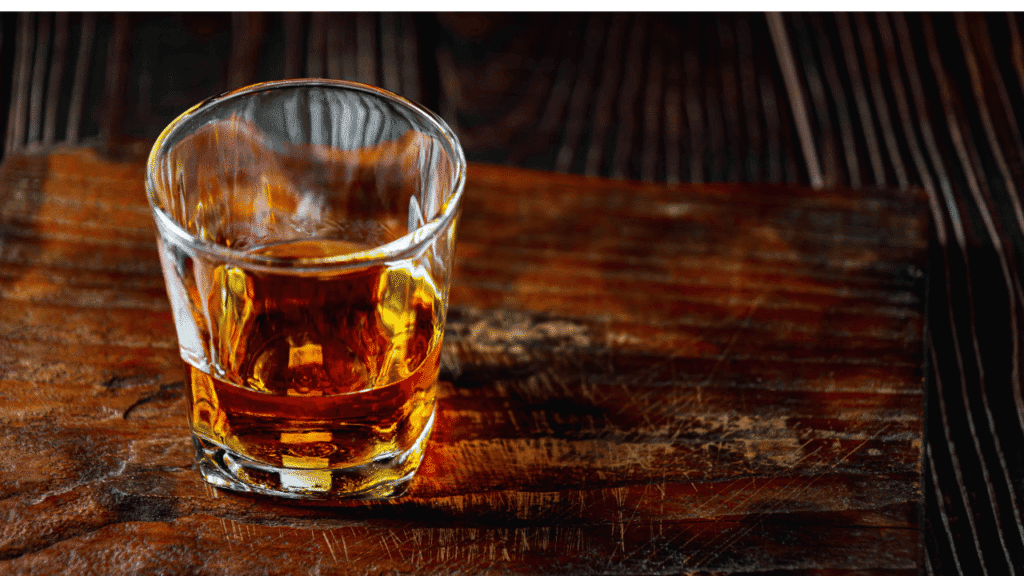
A well-made Old Fashioned is a lesson in balance: sweetening, bitterness, dilution, and aroma all meet in one glass. Learn the simple steps and small technique choices that make the difference.
Traditional build and wetting the sugar
Recipe baseline: 2 oz bourbon, 1 tsp sugar (or 1 sugar cube), 2 dashes Angostura bitters, orange peel and a cherry to finish.
Place the sugar or sugar cube in the glass and add the dashes angostura to wet it. Muddle until mostly dissolved before adding ice and spirit.
Stirring and controlled dilution
Stir about 50 rotations to chill and reach proper dilution. This measured cue helps avoid over-watering the drink.
For a slower melt, try the ice swap: stir with smaller cubes, then replace with a large cube or sphere to keep the temperature steady.
Garnish and troubleshooting
Express an orange peel over the rim for bright aromatics, or add a cherry for a touch of sweetness. If the sugar won’t dissolve, add a splash of water. If it tastes hot, stir longer; if flat, add another dash of bitters or a touch more dashes angostura.
For a step-by-step reference, follow this Old Fashioned recipe.
Manhattan: New York’s Iconic Bourbon-and-Vermouth Cocktail
A Manhattan shows how a few measured ingredients can yield a complex, elegant cocktail.
Recipe baseline: 2 oz bourbon, 1 oz sweet vermouth, 2 dashes bitters. This 2:1 ratio frames the whiskey while vermouth adds sweetness and structure.
Small changes shift the profile. More vermouth makes the pour rounder and sweeter. Less vermouth or a splash of dry vermouth pushes it drier and stronger.
Technique and serving
Stir with plenty of ice—do not shake. Stirring keeps clarity and gives a silkier texture. Strain into a chilled cocktail glass and finish with a single cherry.
Garnish and home tips
- Garnish: one cherry—simple, aromatic, and part of the ritual.
- Storage: keep sweet vermouth refrigerated to preserve flavor.
- Measure & timing: use precise measures and time your stir to taste dilution, not guesswork.
- Variations: serve up or on one large cube per preference, but keep the core method intact.
For more on technique and variations, see Manhattan mixology.
Mint Julep: The Kentucky Derby Classic Bourbon Mixed Drinks
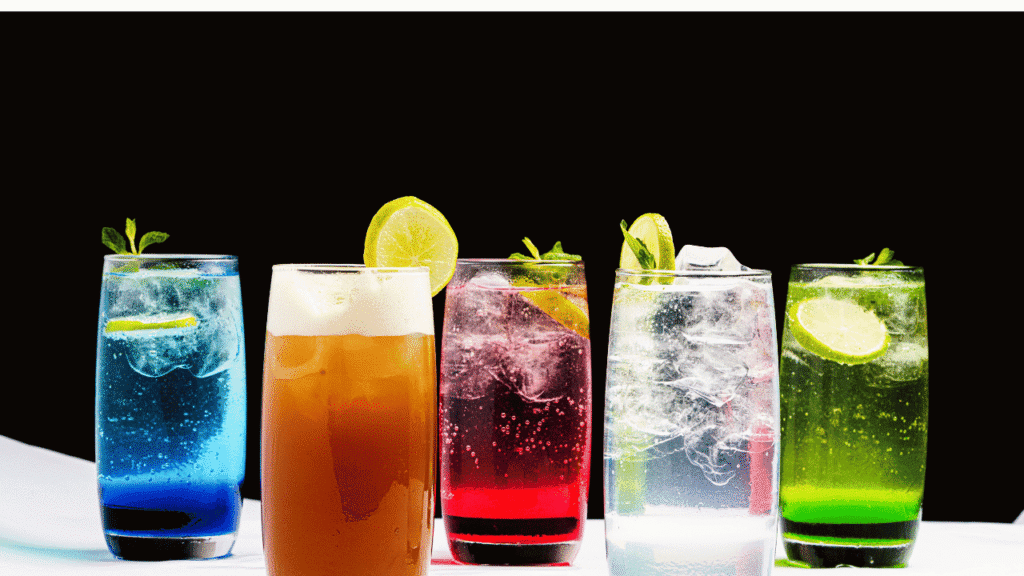
The Mint Julep reads like a short recipe but rewards careful handling—small choices shape aroma, chill, and finish.
Recipe baseline: 3 oz bourbon, 1 tsp sugar, several mint leaves. Muddle or gently press the mint with sugar in a chilled glass, pack with crushed ice, add bourbon, and stir until the glass frosts.
Mint handling for best aroma
Aggressive muddling can bruise mint leaves and add bitter green notes. A gentle press or slap releases essential oils and keeps the aroma bright.
Sweetener: sugar vs. simple syrup
Granulated sugar gives tradition and texture; simple syrup blends instantly. Adjust syrup amount to match your taste and mouthfeel preference.
Crushed ice and the frosted glass finish
Crushed ice increases surface area for fast chilling and controlled dilution. Stir vigorously until the metal or glass frosts—that frosted glass is your doneness cue.
- Serving note: serve in a chilled cup or sturdy glass topped with a mint bouquet.
- Tip: add a splash of water only if sugar needs help dissolving.
For more on variations and technique, see bourbon craft cocktails.
Whiskey Sour Classics for Citrus Lovers
If you love lemon-forward balance, sours deliver a sharp, refreshing counterpoint to a warm spirit. These recipes show how a small set of ingredients yields bright, balanced results.
Whiskey Sour with lemon juice and simple syrup
Baseline: 2 oz bourbon, 0.75 oz lemon juice, 0.75 oz simple syrup. Shake with ice and strain over ice. Garnish with a cherry or lemon wedge.
Tip: Add more syrup for a softer sip or more lemon juice for extra snap. Measure to keep balance. Some bartenders add an egg white for texture, but the recipe above is the straightforward, shaken version.
New York Sour technique
Prepare the base as above and strain into a glass. Gently float 0.5 oz dry red wine over the back of a spoon to create a layered top. The wine adds color and a tannic counterpoint to the citrus.
Ward Eight with orange and grenadine
Ward Eight: 2 oz bourbon, 0.75 oz lemon juice, 0.75 oz orange juice, 1 tsp grenadine; shake and strain into a chilled cocktail glass. Use quality grenadine—its flavor alters the final sip more than you might expect.
Serving notes:
- Rocks glass over ice for casual pours; chilled cocktail glass for an “up” presentation.
- Finish with a cherry and a citrus twist for aroma and a polished look.
For a detailed recipe and technique, see the full whiskey sour guide.
Bourbon Smash and Other Muddled Favorites
A refreshing smash balances bruised herbs and bright citrus for a rustic, punchy sip.
What a smash is: the smash sits between a julep and a sour. It uses muddled fruit and herbs for texture and aroma. This format keeps things lively and slightly rustic.
Build the baseline
Baseline recipe: 2 oz bourbon, 1 lemon half, 0.75 oz simple syrup, several mint leaves. Muddle the lemon half with mint leaves and syrup in a shaker. Add ice and bourbon, shake hard, and strain over ice.
Muddling, variations, and hosting tips
Press firmly enough to release juice and peel oils, but avoid pulverizing the mint into bitterness. Use a gentle twist for leaves—this preserves aroma.
- Fruit swaps: add ripe peach slices by muddling them first. If fruit is very ripe, reduce syrup; if tart, keep the syrup level.
- Strain: fine strain for a clean glass or standard strain for a rustic, pulpy character.
- Batching: scales well for small party batches if lemons and mint are prepped, but muddle per drink for best aroma in each cocktail.
Ginger Beer Highballs: Kentucky Buck and Kentucky Mule
Ginger-forward highballs pair bright citrus with spicy fizz for an easy, refreshing pour. These two variations show how simple steps change aroma and balance.
What a buck and a mule are: both are highball-style sips built around citrus plus ginger beer. The spirit’s sweetness holds up to ginger’s spice, so the result stays lively without tasting flat.
Kentucky Buck: muddle for fruit aroma
Recipe: 2 oz bourbon, 0.75 oz lemon juice, 0.75 oz simple syrup, 2 dashes angostura bitters, 1 sliced strawberry. Muddle lemon juice, syrup, and strawberry. Add bourbon, bitters, and ice; shake and strain over fresh ice. Top with ginger beer.
Tip: Add bitters to avoid a one-note fruit profile and preserve balance when you top with beer.
Kentucky Mule: lime, ginger, and chill
The Mule swaps lime juice for lemon and skips muddled fruit. Build over ice and finish with ginger beer. Use a tall glass for a crisp highball feel or a copper mug for tradition and extra chill retention—either works.
- Topping technique: strain the shaken base over fresh ice, then add ginger beer last to keep carbonation bright.
- Customization: reduce syrup if your ginger is sweet; add extra citrus for drier ginger beer. Batch the base (omit beer) for parties and top each serve individually.
Honey-Forward Classic Bourbon Mixed Drinks: Brown Derby and Gold Rush
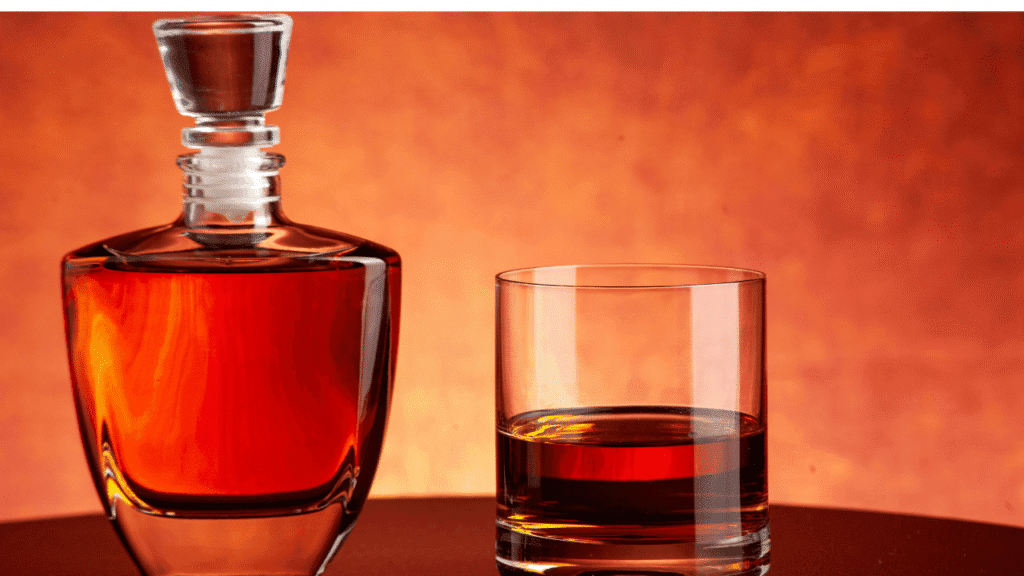
A little honey syrup transforms simple recipes into rounded cocktails with smooth texture and depth. This section shows how to make a reliable syrup and two easy recipes that pair honey with bright citrus and oak.
Making honey syrup and why it works
Mix equal parts honey and warm water until combined. Cool and store in the fridge for up to a week. The syrup measures predictably and blends evenly in shaken recipes, unlike raw honey that sticks to spoons.
Why honey pairs so well: it adds round sweetness while letting oak and spice from the bourbon show through in the final sip.
Brown Derby: grapefruit balance
Recipe: 2 oz bourbon, 1 oz grapefruit juice, 0.5 oz honey syrup. Shake with ice and strain into a chilled cocktail glass. Use fresh juice for cleaner acidity and less bitterness.
Gold Rush: lemon-focused, modern sip
Recipe: 2 oz bourbon, 0.75 oz lemon juice, 0.75 oz honey syrup. Shake hard with ice; strain over ice or serve up. Garnish with a lemon twist.
- Technique: shake hard for proper chill and dilution.
- Adjust: if grapefruit is sharp, add a bit more syrup; if too sweet, increase citrus before boosting spirit.
- Tip: use fresh lemon juice for the brightest results.
Booze-Forward Bitter and Herbal Classics
For fans of bold sips, these recipes showcase how aromatics and bitters shape a dense, refined pour. They favor herbaceous and bitter components over bright fruit, so small technique choices change the final aroma.
Boulevardier
1.5 oz bourbon, 1 oz Campari, 1 oz sweet vermouth. Stir with ice and strain into a chilled glass. Garnish with an expressed orange twist to lift the bitter core and add citrus oils on top.
Remember the Maine
2 oz bourbon, 0.75 oz sweet vermouth, 0.75 oz Cherry Heering, absinthe rinse. Rinse the glass with absinthe, discard excess, then stir remaining ingredients with ice ~30 seconds and strain for a layered herbal finish.
Revolver
Combine bourbon with coffee liqueur and a few dashes of orange bitters. Stir with ice and finish with a flamed orange peel or expressed orange peel to release bright aromatics over the sip.
Scofflaw
2 oz bourbon, 1 oz dry vermouth, 0.5 oz grenadine, 0.25 oz lemon juice, 2 dashes orange bitters. Shake with ice and strain into a chilled cocktail glass. Garnish with a lemon twist for a clean, bitter-sweet edge.
- Glass & ice: use a chilled cocktail glass for stirred-up serves, and control ice contact time to avoid over-dilution.
- Garnish precision: express the peel close to the nose—small oil hits change perception of each sip.
Seasonal Classic Bourbon Mixed Drinks for Fall and Winter
A brisk chill calls for warm, spiced pours that read like a cozy kitchen rather than a bar. These cold-weather recipes use honey, hot water, and nutmeg to soften spirit heat and add seasonal aroma.
Bourbon Cider with honey and warm spice
Easy build: warm hard cider, 1 tbsp honey, apple slices, a dash of cinnamon or nutmeg, and 2 oz bourbon. Heat cider gently, stir in honey, add bourbon, and serve in a heat-safe mug or pour over ice for a colder variation.
Hot Toddy formula
Traditional mix: 2 oz bourbon, 1 tbsp honey, 0.5 oz lemon juice, 4 oz hot water. Add a cinnamon stick and a lemon wedge if you like. Hot water and honey calm the spirit; lemon juice brightens the nose.
New Orleans–style Milk Punch
Arnaud’s-inspired riff: 1.5 oz bourbon, 0.5 oz rum, 2 oz milk or creamer, 3/4 tsp vanilla, 1 tsp superfine sugar. Shake with ice, strain into a rocks glass, and grate nutmeg on top.
- Tips: Pre-warm the mug for toddies, taste before adding extra honey, and use fresh lemon juice even in warm pours.
- Batching: Pre-mix non-alcohol components, heat gently, then add spirit off direct high heat to preserve aroma.
- Serving note: For more seasonal ideas, see this roundup of fall pours at fall bourbon cocktails.
Conclusion
You now have a clear path to build memorable pours with a few smart ingredients and techniques.
Classic Bourbon Mixed Drinks
Core toolkit: a few measured syrups, Angostura, fresh citrus, a jigger, a mixing glass or shaker, and the right ice and glass choices make a big difference in cocktail taste.
Focus on three routes: spirit-forward serves (Old Fashioned, Manhattan, Boulevardier), lemon-forward sours (Whiskey Sour, New York Sour), and warm seasonal options (Hot Toddy, Bourbon Cider).
Start with one recipe—Old Fashioned or Whiskey Sour—and expand by swapping vermouth, honey syrup, or ginger beer rather than buying a new bar of bottles.
Final note: measure precisely, use fresh citrus, and control dilution with proper ice. Bookmark these bourbon drink recipes for weekend hosting and future holiday planning.
FAQ
What defines a classic bourbon cocktail in the United States?
Why is bourbon often chosen as both a mixer and a sipper?
When should I use rye instead of bourbon in a recipe?
What’s the best way to sweeten an Old Fashioned: simple syrup, sugar cube, or granulated sugar?
How do Angostura and orange bitters change a cocktail’s profile?
Should I always use fresh lemon juice and peels?
When should I use ginger beer versus ginger ale?
How do I decide between crushed ice and a large ice cube?
Which glassware should I use: rocks glass, lowball, cocktail glass, or mug?
How should I garnish an Old Fashioned?
What’s the usual Manhattan ratio and technique?
How do I make a proper Mint Julep at home?
What distinguishes a Whiskey Sour from a New York Sour?
How do I adapt fruit-forward muddled cocktails like a Bourbon Smash or peach variations?
What’s the Kentucky Buck vs. Kentucky Mule difference?
How do I make honey syrup and why use it?
Which bitter and herbal cocktails should I try if I prefer a stronger, more complex profile?
What are good cold-weather bourbon cocktails to make for fall and winter?