
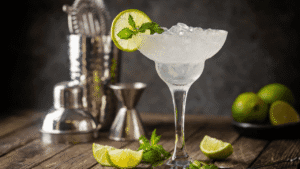

Welcome to a simple guide of Classic Margarita Drink that shows how three ingredients—tequila, fresh lime juice, and an orange liqueur—come together to make a bright, balanced cocktail you can mix at home right now.
Start with the right ratios: many bartenders use 2:1:1 (2 oz tequila, 1 oz lime, 1 oz orange liqueur). For parties, the 3-2-1 framework scales smoothly from one glass to a pitcher.
Fresh-squeezed lime lifts the flavor and keeps results consistent. Shake with ice until the shaker is frosted to get ideal chill and dilution without watering the mix.
Optional touches like a light salt rim and a chilled glass boost aromatics and tame tartness. Essential gear includes a sturdy shaker and a jigger; a mason jar works in a pinch.
Read on for rim techniques, ice choices, on‑the‑rocks versus frozen options, and pro tips that will make each batch taste better with minimal time and fuss.
Key Takeaways
- Use 2:1:1 for a single cocktail or 3-2-1 to scale to a pitcher.
- Fresh lime juice delivers the best, brightest flavor.
- Shake with ice until the tin frosts for proper chill and dilution.
- Light salt rim and chilled glass enhance aroma and balance tartness.
- Good tequila and orange liqueur reduce the need for added sweetness.
Why this classic margarita drink belongs in your home bar
Keep a short list of ingredients and you can make a reliable cocktail any night. Fresh lime juice and a quality tequila paired with a trusted orange liqueur (Cointreau or a good triple sec) lift flavor far more than bottled mixes.
Skip the neon-green premade mix—it adds unnecessary sweetness and masks nuance. A clean rim glass with kosher salt gives a savory contrast that highlights the lime juice and tequila.
This recipe is fast to mix, which makes it perfect when time is limited. With minimal gear you can scale a single serve to a pitcher for guests without extra fuss.
- Short ingredient list you can keep on hand
- Fresh citrus and quality spirits drive balance
- Quick method that scales for a group
- Salted rim adds a savory lift to bright juice
Want a deeper primer or variations? Read a professional take on the subject at the margarita guide.
Essential ingredients and tools for a classic margarita
Start with quality spirits and simple gear to ensure a balanced mix. The right ingredients shape flavor; the right tools keep results consistent.
Tequila choices: blanco, reposado, añejo
Blanco offers a young, crisp profile with bright citrus snap. Reposado adds barrel-aged depth and a hint of oak. Use añejo sparingly—it’s richer and often better for sipping or a luxe pour.
Orange liqueur options
Pick a reputable orange liqueur. Cointreau is a clean triple sec; generic triple sec can taste harsher. Grand Marnier blends orange and cognac for a rounder profile that changes the drink’s character.
Tools you need
Keep a reliable cocktail shaker and a jigger to measure ounces and maintain balance. A sturdy rocks glass holds ice and aromatics. Rim with kosher or sea margarita salt; avoid iodized salt. Fresh lime juice matters—bottled juice dulls the flavor.
- Choose tequila by flavor profile.
- Measure liqueur and lime precisely.
- Use a shaker or jar, jigger, and good glass.
Stock these ingredients and tools once, and this recipe will be simple to reproduce at home.
Nail the ratio: 2:1:1 vs 3-2-1 for a classic margarita
Picking the right proportions makes the difference between a bright, balanced cocktail and a muddled one. Use ratios as a simple rule to control lime, tequila, and orange liqueur so each element sings.
The easy 2:1:1 bar ratio
2 ounces tequila, 1 ounce fresh lime juice, 1 ounce orange liqueur gives a tart-forward profile with clear lime definition. Shake with ice and strain over fresh ice in a chilled glass.
The 3-2-1 framework for single or pitcher
Three parts tequila, two parts triple sec or Cointreau, and one part lime juice scale smoothly for batches. The 3-2-1 framework is useful when you need quick math for a pitcher.
When to choose each ratio
- Use 2:1:1 to keep bold tequila in check and let lime lead.
- Pick 3-2-1 for a rounder orange nuance or when using reposado or Grand Marnier.
- Measure with a jigger, salt the rim lightly if desired, and add syrup only after tasting.
“Measure precisely. Small changes change the whole glass.”
For a frozen option, see a reliable frozen recipe that adapts these ratios for a blender.
How to make a classic margarita on the rocks (step-by-step)
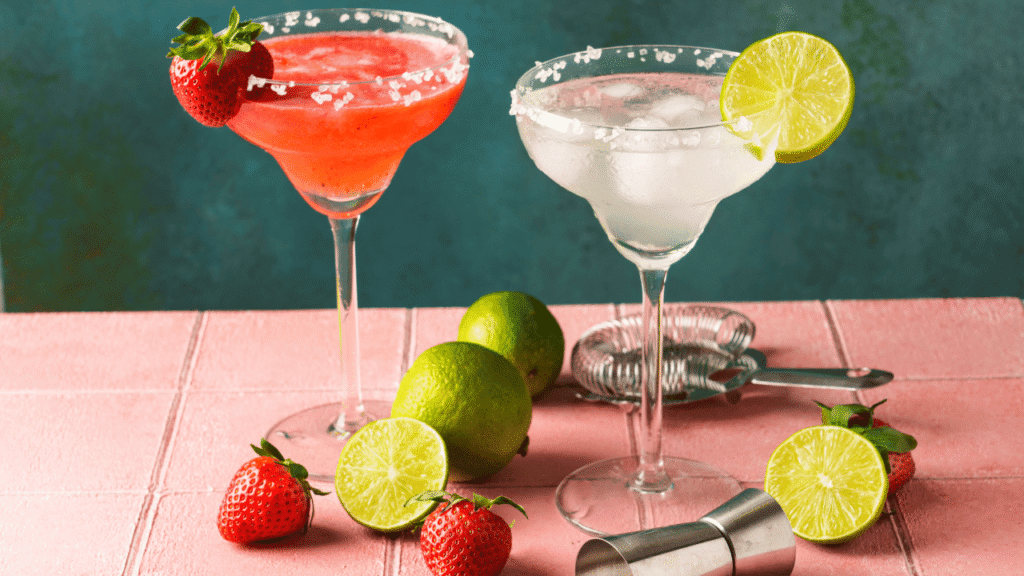
Use a consistent routine to achieve the right dilution, temperature, and flavor in every pour. This step-by-step keeps the process simple and repeatable so the lime juice stays bright and the spirit is balanced.
Rim and salt the glass
Run a lime wedge around the rim glass to lightly moisten the edge. Then dip the rim into kosher or coarse sea salt for an even coating around rim.
Build and shake
Add tequila, orange liqueur, and fresh lime juice to a shaker. Fill with cocktail shaker ice and shake vigorously for 15 to 30 seconds until the shaker is frosted.
Strain and serve
Strain into a chilled rocks glass over fresh ice, or pour over the shaker ice if you prefer a colder, slightly more diluted sip.
- Add tequila measured with a jigger to keep balance.
- Garnish with a lime wedge to lift aroma and flavor.
- Taste before adding sweetener; adjust sparingly to keep juice forward.
“Serve immediately; the cocktail is best when citrus is lively and ice is dense and cold.”
Choosing the best tequila and orange liqueur for flavor
Choosing the right tequila and orange liqueur shapes every sip before you even shake a glass. Your spirit choices steer the recipe toward bright and peppery or warm and oak-driven.
Blanco vs reposado vs añejo
Blanco is crisp and lively, ideal when you want lime juice and tequila to sing. Use it for snappy, citrus-forward margaritas.
Reposado brings subtle oak and vanilla from short barrel aging. It softens acidity and yields a rounder flavor without losing freshness.
Añejo is richer and best reserved for a luxe take or sipping; its aged depth can dominate a mixed glass.
Cointreau vs triple sec vs Grand Marnier: taste and price
Cointreau offers a clean, refined orange profile that mixes well. Generic triple sec can range in quality and sometimes tastes harsh.
Grand Marnier blends orange with cognac and adds a warm, layered backbone—worth choosing when you want a richer pour.
- Pick blanco for bright, peppery balance.
- Choose reposado for oak-kissed roundness.
- Use Cointreau for clean orange; Grand Marnier for depth.
Why quality spirits matter more than added sugar
Bars often add simple syrup to mask rough spirits. Start with better tequila and liqueur and you can keep sugar minimal.
“Better spirits reduce the need for sweetener and preserve clarity in each glass.”
Test combinations to find your house style—blanco with Cointreau for zest, reposado with Grand Marnier for a dessert-like finish. For more tequila-focused recipes, see classic tequila cocktails.
Sweetness control: fresh lime juice, simple syrup, or agave
Use a concentrated syrup so you add flavor, not extra water. Start by tasting the base mix of tequila, lime juice, and orange liqueur before adding anything sweet.
Make a 2:1 simple syrup (two parts sugar to one part water) so a teaspoon or two gives noticeable sweetness without dilution. This concentrated syrup lets you fine-tune balance while keeping the juice and spirit bright.
Adjust sweetness without masking flavor
Begin with a teaspoon, then build slowly. If you use Cointreau or Grand Marnier and a smooth tequila, you may need no syrup at all.
- Always taste first: assess the tequila–lime–liqueur base.
- Use 2:1 syrup: less volume, same sweetness, less dilution.
- Agave nectar: a traditional alternative that melds easily.
- Batch ahead: refrigerate syrup so adjustments are quick.
“Keep sweetness low enough to round edges, not to hide them.”
For a practical batch method and scaling tips, see how to make a 3-2-1 margarita.
Pitcher margaritas: scale, mix, and serve a crowd
Batching a pitcher keeps service smooth and flavors consistent for a crowd. Use the 3-2-1 ratio as your blueprint and multiply parts into ounces or cups to match your guest list.
Convert parts to ounces and cups
Scale by parts: 6 ounces tequila, 4 ounces orange liqueur, and 2 ounces lime juice makes roughly three servings. Multiply those amounts to fill a larger pitcher without changing the balance.
Make-ahead, chill, and serve
Pre-juice and fine-strain limes to save time and improve clarity. Add tequila and triple sec or liqueur to the pitcher first, then stir in juice and minimal syrup.
- Chill the pitcher in advance and keep it on ice to preserve cold without watering down pours.
- Shake in smaller batches with cocktail shaker ice when possible, or thoroughly chill the full mix to mimic shaker results.
- Bring extra fresh ice for glasses and use a sturdy, break-resistant pitcher for outdoor service.
- Label the ratio on a notecard so helpers can rebuild the mix quickly; garnish a tray with lime wedges and salt for guests.
“Chill, taste, and adjust after cooling—sweetness often needs less time to show once cold.”
For a tested pitcher recipe and more mixing tips, or to explore other tequila options, see this guide to tequila cocktails.
Classic Margarita Drink variations and pro mix-ins
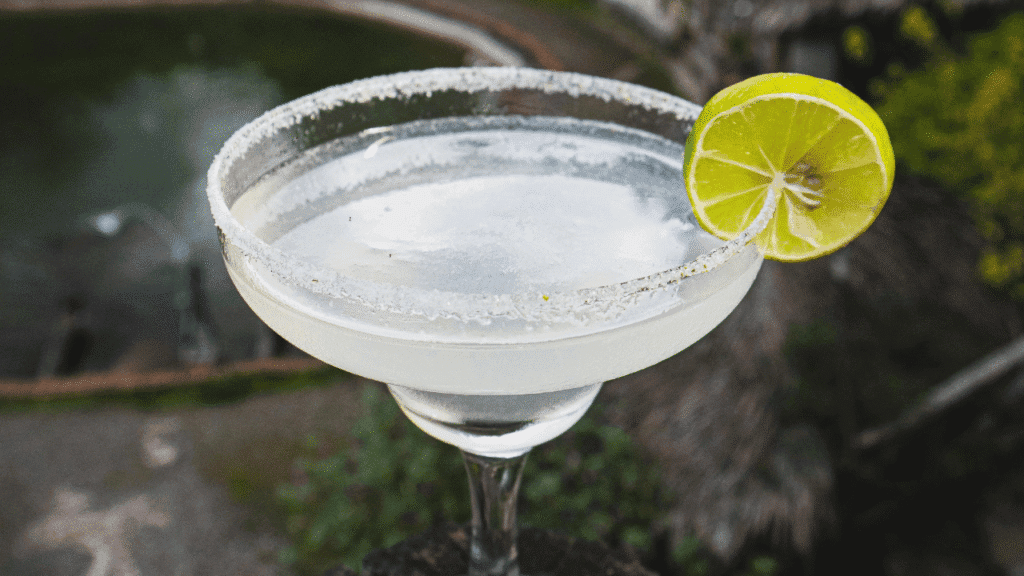
Layering fruit and herbs before you add spirits builds deeper flavor fast. Muddle berries, mango, or blueberries with lime in the shaker to release juices and color. Add tequila, your orange liqueur, and a touch of syrup only after the fruit is broken down.
Herbs and heat—tear basil leaves gently or add thin slices of jalapeño to the muddle for an aromatic lift. Muddle herbs lightly to avoid bitterness, then shake hard to integrate aroma with the lime and liqueur.
Cadillac swap and balance tips
Make a Cadillac by substituting Grand Marnier for triple sec to add a cognac-warmed orange profile. Keep the base ratio the same and taste for minor syrup adjustments—fruit often supplies enough sweetness.
Frozen vs on the rocks
For frozen versions, use a powerful blender and enough ice to get a thick, pourable texture without watering down the mix. For the rocks method, muddle in the shaker, add ice, shake until frosted, and strain over fresh ice for clarity and aroma.
- Build fruit-forward twists by muddling fruit with lime before adding spirits.
- Use basil or jalapeño for herbal or spicy complexity.
- Swap Grand Marnier for triple sec in a Cadillac for richer orange notes.
- Taste before you add syrup; adjust sparingly to keep balance.
“Start with the base recipe you trust, then layer one mix-in at a time and adjust lime and sweetness to maintain balance.”
Explore more curated recipes and top cocktail ideas at our cocktail recipes roundup.
Serving, pairings, and glassware tips
Choose glassware with purpose. Decide early whether you want a showy margarita glass or a sturdy rocks glass. The margarita glass makes a statement; the rocks glass holds dense ice and resists spills.
Rim technique and salt choices
Use kosher or coarse sea salt for a clean, balanced finish. Avoid iodized salt; it can taste metallic and overpower lime and orange notes.
To rim glass, run a lime wedge around the edge, dip into salt, and tap off excess so the first sip isn’t too salty. A neat rim glass keeps salt where you want it.
Perfect pairings and plating
Pairing matters. Serve margaritas with tacos al carbon, steak fajitas, ceviche, or guacamole. Savory, spicy, and citrusy dishes raise the drink’s brightness.
- Keep ice fresh and dense; small cubes melt faster and dilute the juice.
- If you add simple syrup, use it sparingly so food flavors still pop.
- Pre-salt glasses and prep wedges for efficient service at larger gatherings.
“Clean glassware, neat rims, and balanced pours deliver a professional experience at home.”
Conclusion
A well-tuned recipe of Classic Margarita Drink is easy to make classic at home when you focus on fresh lime juice, good tequila, and a quality orange liqueur like Cointreau or Grand Marnier. Use the 2:1:1 ratio for tart brightness or 3-2-1 when you want more orange depth. Measure with a jigger, shake cold in a shaker, and serve on the rocks with a lime wedge.
Sweeten sparingly. Add simple syrup only after tasting so syrup and sugar never mask the juice. Pick blanco for zip or reposado for roundness, scale to a pitcher when serving a group, and enjoy a balanced cocktail every time.
FAQ
What are the essential ingredients for a classic margarita?
You need tequila (blanco or reposado), freshly squeezed lime juice, and an orange liqueur such as Cointreau, triple sec, or Grand Marnier. Optional additions include simple syrup or agave for sweetness and coarse salt for the glass rim. Use fresh lime for the best flavor and measure with a jigger for consistency.
What tools do I need to make margaritas at home?
Basic tools include a cocktail shaker, jigger, strainer, and a rocks or margarita glass. A blender is useful for frozen versions. Keep plenty of ice, a citrus squeezer, and a small plate for margarita salt when rimming glasses.
Which tequila is best: blanco, reposado, or añejo?
Blanco offers bright agave notes and works well with fresh lime. Reposado adds oak and spice from short barrel aging, lending depth without overpowering the citrus. Añejo has richer, aged flavors; use it if you want a more spirit-forward variation. For most recipes, blanco or reposado are preferred.
How do I choose between Cointreau, triple sec, and Grand Marnier?
Triple sec is typically the most affordable and sweet. Cointreau provides cleaner, balanced orange flavor at a mid-range price. Grand Marnier brings a richer, cognac-backed profile and higher cost, ideal for a Cadillac-style upgrade. Match the liqueur to how bold or refined you want the cocktail.
What is the correct ratio for a great margarita?
Common ratios are 2:1:1 (2 oz tequila, 1 oz lime juice, 1 oz orange liqueur) for a bright, balanced pour, and 3-2-1 for a slightly stronger, more citrus-forward drink or scaled pitcher. Choose 2:1:1 for single servings and 3-2-1 when you want a bolder profile or when using lower-proof tequila.
How do I rim a glass with salt properly?
Rub a lime wedge around the glass rim, then dip the rim into coarse margarita salt or kosher salt spread on a plate. Tilt the glass to ensure even coverage. For a lighter touch, salt only half the rim to allow alternating sips without salt.
What’s the step-by-step method for making a margarita on the rocks?
Rim the glass with lime and salt, then fill your shaker with ice. Add measured tequila, fresh lime juice, and orange liqueur (and simple syrup if needed). Shake until the shaker frosts, strain into a rocks glass over fresh ice, and garnish with a lime wedge. Serve immediately.
How can I control sweetness without masking the tequila?
Use fresh lime juice and start with a light touch of 2:1 simple syrup or agave nectar. Taste and adjust in small increments so the sweetener enhances rather than hides agave and citrus. A 2:1 simple syrup (two parts sugar to one part water) gives more flavor with less dilution.
How do I scale a margarita recipe for a pitcher?
Keep the same ratio you use for single servings and multiply by the number of servings. Convert ounces to cups for convenience (8 oz = 1 cup). Chill the mix before serving and store on ice or in the fridge; add fresh ice and lime wedges when serving outdoors to avoid dilution.
What are popular variations and mix-ins to try?
Try fruit muddles like strawberry, mango, or blueberry-lime, and herbal or spicy accents such as basil or jalapeño. Swap Grand Marnier for a Cadillac version. For frozen versions, use a blender with crushed ice and adjust ice ratios to achieve your desired texture.
Should I serve margaritas in a margarita glass or a rocks glass?
Both work. A margarita glass offers a classic presentation and shows off garnishes. A rocks glass is sturdier, keeps portions sensible, and fits easy chilling. Choose based on setting and whether you serve drinks on the rocks or blended.
Any tips for pairing this cocktail with food?
Citrus-forward cocktails pair well with Mexican dishes: tacos, fajitas, ceviche, and guacamole are natural matches. The acidity cuts through rich or fried foods, while herbal or spicy variations complement grilled proteins and salsas.
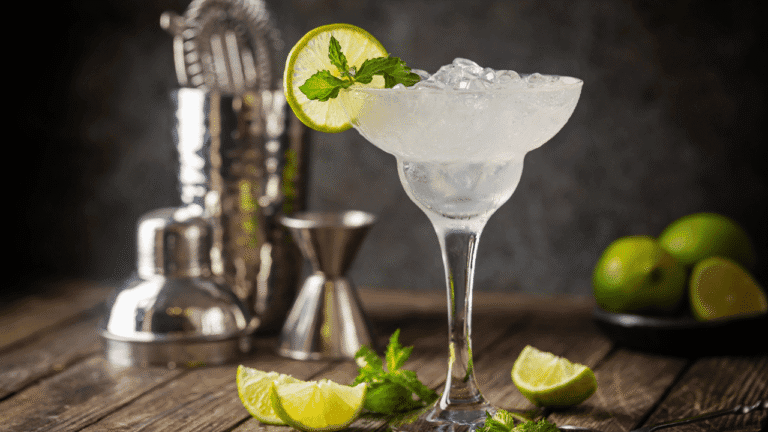
Enjoy the Classic Margarita Drink Experience
Welcome to a simple guide of Classic Margarita Drink that shows how three ingredients—tequila, fresh…
Discover Delicious Tropical Whiskey Drink Ideas
Ready to mix bright, balanced flavors at home? This post shows easy, modern ways to marry island fruits…
Discover the Best Classic Bourbon Mixed Drinks
National Bourbon Heritage Month in September is a great reminder that some recipes never go out of style….
Enjoy Classic Fruity Drinks: Refreshing Recipes for Hot Days
Ready for a sun-friendly list of refreshing sips? This guide gathers widely known, fruit-forward cocktails…
Easy 2 Ingredient Rum Drinks Recipes
2 ingredient rum drinks are ideal for anyone who loves rum but prefers to keep mixing simple. These easy…
No posts found