
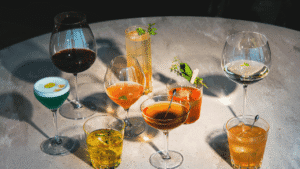

Classic Bar Drinks with vodka, meet a curated lineup that blends timeless favorites and modern twists for the U.S. home bar. This intro previews cocktails built for clarity, balance, and easy technique so anyone can mix with confidence.
Expect clean builds, bright citrus refreshers, and spirit-forward sippers. Learn when to shake for a frothy texture and when to stir for a clear, silky finish.
We focus on fresh juice, trusted liqueurs, ginger beer, club soda, and simple garnishes that lift aroma and presentation. Vessel choice — coupe, highball, rocks glass, or copper mug — changes temperature and perceived balance.
Recipes use easy ratios and simple swaps so you can respect traditional profiles while adding seasonal flair. Sections link technique to taste, explaining dilution, temperature, and aroma so each step has purpose.
Key Takeaways
- Clear, balanced recipes anyone can follow.
- Citrus and spirit-forward options guide method choice.
- Simple ingredients repeat across recipes for easy shopping.
- Vessel choice alters aroma and temperature.
- Quick-start ratios make busy mixing simple.
What Defines Classic Bar Drinks with Vodka Today
A lasting cocktail shows a clear structure and balance, yet welcomes subtle swaps in garnish or spirit to stay fresh.
Timeless builds vs. modern twists
Timeless recipes keep a recognizable ratio and technique. Examples include a dry stirred martini or a bright highball style that relies on clean acid and spirit balance.
Modern versions introduce flavored syrups, seasonal fruit, or a different liqueur while keeping the original bones intact. These tweaks add interest without breaking the drink’s identity.
Essential ingredients: citrus, juice, liqueur, soda, and garnish
Pantry efficiency matters. Keep fresh citrus and one or two juices, a couple of versatile liqueurs, quality soda, and simple garnishes.
Fresh-pressed citrus boosts brightness and balance. Bottled or clarified juice is okay for speed, but fresh juice wins for clarity and zip.
Dilution and temperature act like invisible ingredients. Ice quality and technique control mouthfeel and clarity.
- Small version swaps—lemon for lime or a different peel—refresh a menu fast.
- Choose a clean vodka for citrus-led recipes and a fuller spirit for richer, spirit-forward cocktails.
- Soda can lift aromatics and lengthen a drink without watering it down if you use the right bubbles.
Garnish should cue the nose more than just decorate. Citrus oils, herb sprigs, or a light saline mist enhance aroma and guide the first sip.
Moscow Mule: Vodka, Ginger Beer, and Lime in a Copper Mug
A lightning-fast build, the Mule highlights sharp citrus and lively ginger heat. This snapshot gives a go-to recipe and simple swaps that keep the drink bright.
Classic recipe snapshot and ginger beer choice
Baseline build: 2 oz vodka, 0.5 oz fresh lime juice, and 4–6 oz ginger beer over ice in a copper mug. Stir gently to integrate and preserve carbonation.
Choose a spicy, real-ginger-forward ginger beer for a snappy finish. Sweeter styles mute lime and may need extra citrus.
Why copper matters: chill, aroma, and presentation
The chilled copper mug cools quickly, boosts condensation, and lifts aromatics for a stronger first sip. It also insulates so the drink stays crisp longer.
Use large ice cubes to slow dilution; top with fresh ice only if needed to keep effervescence lively.
Easy flavor riffs with citrus and seasonal fruit
Add a grapefruit peel, yuzu, or a lime wheel plus mint for extra aroma. Fruity spins—muddled berries, a splash of pineapple, or a peach slice—accent ginger and lime without masking the backbone.
Tip: A light pinch of saline or a dash of aromatic bitters adds depth. For a long patio sipper, lengthen with a touch of soda but keep the ginger beer as the dominant bubble source.
- Crisp lime wedge or candied ginger for garnish.
- Never shake; stir gently to preserve fizz.
Vodka Martini: Stirred Elegance for the Modern Bar
A restrained martini proves that precision beats ornamentation in spirit-forward cocktails. This is a simple drink that depends on ratio, chill, and a single garnish to guide aroma.
Dry vermouth balance and garnish decisions
Classic structure runs 2.5–3 oz vodka to 0.5 oz dry vermouth. Adjust the vermouth to taste for a drier or more aromatic profile.
Lemon twist brightens the top note. An olive or two adds savory, briny depth for a fuller mouthfeel.
Stirred, not shaken: bartender-approved technique
Spirits-only cocktails are stirred to keep crystal clarity and a silky texture. Stir 20–30 seconds over large, clean ice for controlled dilution.
- Vermouth care: refrigerate open bottles and replace often to avoid flat or oxidized notes.
- Chill precisely: use a frosted coupe or well-chilled martini glass and frozen, clear ice.
- Variation: try a 50/50 for lower ABV and extra aromatics; add a dash of orange bitters if desired.
Recipe snapshot: 2.5 oz vodka, 0.5 oz dry vermouth — stir 20–30 seconds, strain, garnish to preference. The neutral spirit lets vermouth and garnish lead the flavor story, unlike a gin martini that highlights botanical notes.
Cosmopolitan: Citrus Vodka, Cointreau, Lime, and Cranberry
Precision and fresh citrus turn a simple mix into a memorable, jewel-toned cocktail. Use exact measures and a hard shake to preserve the bright color and lively rim aroma.
Building bright, balanced color and flavor
Shaken build: 1.5 oz citrus vodka, 1 oz Cointreau, 0.5 oz fresh lime juice, and 0.25 oz cranberry juice. Shake with hard ice and fine‑strain into a chilled coupe or martini glass.
Why shake: Vigorous shaking integrates the juice and aerates the mix, creating a lightly frothy, jewel‑toned finish that defines the drink’s look and mouthfeel.
- Orange liqueur harmonizes tart lime and cranberry, adding sweet‑aromatic balance.
- Try a lower‑sugar version by increasing lime slightly and cutting cranberry to keep hue but reduce sweetness.
- Short on citrus vodka? Split the base between regular vodka and a citrus bottle to retain brightness.
- Small cranberry adjustments change color—start conservative and tweak to preference.
- Use quality Cointreau (or a premium triple sec) for clean orange aromatics.
- Pairs well with light canapés or seafood crudo; the citrus lift cuts richness.
For a quick calorie check, see Cosmopolitan calories.
Bloody Mary: The Brunch Icon with Spice to Taste
Think of the Bloody Mary as a savory canvas. Start with a solid tomato base and tune heat, brine, and citrus so every guest gets the balance they prefer.
Base build and Tabasco heat control
Core template: vodka, tomato juice, fresh lemon, a pinch of salt and pepper, Worcestershire sauce, prepared horseradish, and hot sauce.
Begin with a few dashes of Tabasco and add slowly, tasting as you go. Horseradish gives depth beyond pure heat.
Garnish ideas for brunch and dinner service
Balance the savory mix with fresh lemon. A splash of pickle or olive brine adds bright tang and complexity.
- Build in a chilled pint or highball over ice for quick service and easy scaling.
- Rim options: celery salt, smoked salt, or chili‑lime seasoning to signal flavor style at the bar.
- Garnish boldly: celery stick, lemon wedge, olive skewer—upgrade with bacon, pickled beans, or shrimp.
Try a dash or two of dry sherry or vermouth for layered savoriness. For a lighter brunch option, lengthen slightly with club soda and extra lemon to keep the profile bright.
Service tip: Pre‑batch the seasoned tomato ingredients (hold the vodka) to speed pours and let guests choose heat level. Pair this savory drink with eggs Benedict, breakfast burritos, or fried chicken and waffles—the acidity and spice cut richness perfectly.
White Russian Classic Bar Drinks with vodka: Creamy Coffee Liqueur Comfort
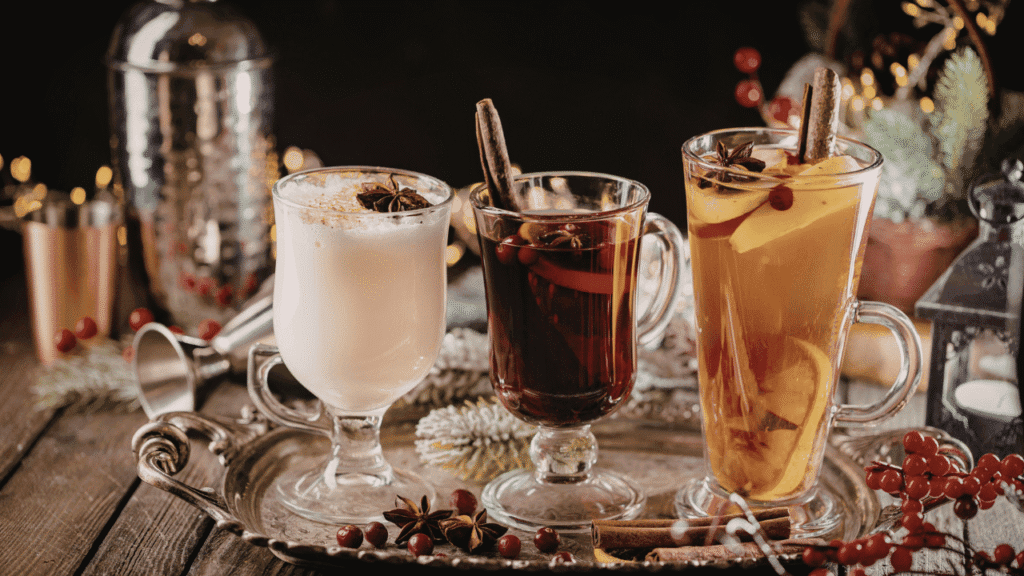
Rich and simple, the White Russian turns coffee liqueur and cream into an easy after-dinner pleasure. The core recipe is 2 oz vodka, 1 oz coffee liqueur, and 1 oz heavy cream poured over fresh ice in a rocks glass.
Presentation tip: Layer lightly whipped cream on top for a striking contrast, then stir gently to marry the textures. The bittersweet coffee liqueur adds depth and softens the neutral spirit’s edge.
For a lighter swap use half-and-half or milk. The mouthfeel will be less velvety but more sessionable.
- Shake briefly with ice to aerate and thicken, then strain over fresh ice for a uniform sip.
- Add a pinch of salt or dust nutmeg or cocoa for aromatic warmth.
- For dessert, top a scoop of vanilla ice cream for an affogato-style finish.
Use quality ice to slow dilution. If you prefer sweeter, stir in a barspoon of simple or vanilla syrup sparingly to avoid cloying alcohol heaviness. Pair this creamy pour with chocolate desserts or tiramisu to echo its coffee and cream notes.
Sea Breeze: Vodka with Cranberry and Grapefruit Juice
Think of the Sea Breeze as a lean, juice-forward refresher that balances bitter grapefruit and red-fruited tartness. It’s a tall, bright pour made for sunny patios and light menus.
Easy highball build: 1.5–2 oz vodka over ice, then top with roughly equal parts grapefruit and cranberry juice. Adjust ratios for more bitterness or a rounder fruit profile.
Tip: Use fresh or high‑quality bottled juice for a clean, tart finish. Chill juices ahead to cut melt and preserve clarity.
Gently stir in the glass to keep a layered color gradient before service. Add a splash of soda to lighten the body on hot days; the highball shape keeps fizz and aroma focused.
- Garnish: slim lime wedge or wheel for citrus aroma.
- Brunch twist: reduce vodka slightly, increase grapefruit for a lower‑ABV option.
- Pair it with seafood, salads, or grilled chicken—the acidity refreshes the palate.
“A chilled Sea Breeze refreshes without masking delicate flavors.”
Harvey Wallbanger: Orange Juice with a Galliano Lift
Bright citrus meets vanilla‑herbal lift in a long, refreshing pour. The signature profile starts as a screwdriver base—vodka and fresh orange juice—then gains complexity from Galliano’s sweet, herbal aroma.
Try this reliable home ratio: 1.5–2 oz vodka, 3–4 oz freshly squeezed orange juice, and 0.5–0.75 oz Galliano. Build over ice in a highball or Collins glass and stir gently to combine.
Add a squeeze of lemon to sharpen the edges and keep the finish lively. Galliano is the defining liqueur here—its vanilla and herb notes give the drink its golden color and fragrant top note.
For a lighter version, reduce Galliano or top the glass with a brief splash of soda to cut sweetness and add lift. Garnish with an orange wheel or an expressed peel to reinforce citrus aromatics.
- Glass: highball or Collins to showcase color and maintain a long, refreshing serve.
- Use fresh-squeezed orange for natural sweetness and balanced acidity.
- Pair: brunch pastries or creamy cheeses—citrus and vanilla complement rich bites.
“Start conservative with Galliano—too much can quickly dominate the balance.”
Sex on the Beach: Peach Schnapps, Cranberry, and Vodka
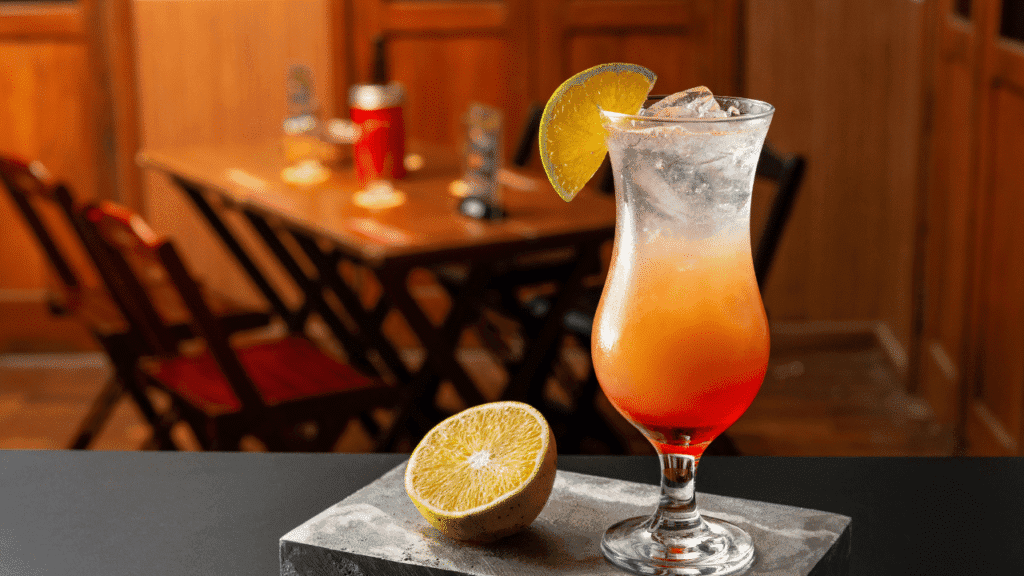
This party-friendly pour pairs stone-fruit sweetness with tart cranberry and a bright squeeze of lime.
Recipe: 1.5 oz vodka, 1 oz peach schnapps, 2 oz cranberry juice, and 1 oz orange (or pineapple). Shake hard with ice and strain over fresh ice for a crisp, airy finish.
For speed service, build the highball version: pour over ice in a tall glass and stir gently. A splash of soda lifts sweetness and makes the serve more sessionable without hiding fruit.
Tip: Use a quality peach schnapps for clean stone‑fruit notes rather than candy flavors. Swap orange for pineapple and add a scant barspoon of grenadine for a sunset gradient.
- Garnish: lime wedge, cherries, or an orange slice for balance and photo-ready appeal.
- Batching: mix spirits and juices ahead, but keep citrus separate until service.
- Pairing: try spicy wings or grilled skewers—the fruit tempers heat nicely.
“Shaking integrates the fruit and creates a brighter texture in the glass.”
Classic bar drinks with vodka: Quick-Start Recipes and Ratios
A compact recipe index helps home hosts move from pantry to pour in under two minutes.
Core builds at a glance for busy home bartenders
Moscow Mule: 2 oz vodka, 4–6 oz ginger beer, 0.5 oz lime. Build in a copper mug over ice and stir gently.
Martini: 3 oz gin or vodka, 0.5 oz dry vermouth. Stir with ice, strain, and express lemon peel or add an olive.
Cosmopolitan: 1.5 oz citrus vodka, 1 oz Cointreau, 0.5 oz lime, 0.25 oz cranberry. Shake hard and fine-strain; garnish with lime zest.
Gimlet (vodka): 2 oz vodka, 0.75 oz simple syrup, 0.75 oz lime. Shake and strain into a chilled coupe.
- Glass & ice: coupe for stirred or shaken small-format cocktails; highball for long pours; use hard, clear ice to slow dilution.
- Tech: shake for citrus and juice; stir for spirits-only recipes to keep clarity and mouthfeel.
- Shopping list: fresh citrus, cranberry, ginger beer, dry vermouth, coffee liqueur, peach schnapps, Galliano — these ingredients cover many cocktails.
Speed tips: pre-chill glassware, stock large clear cubes, batch recipes with a small dilution allowance, and top long pours with a splash of club soda to lengthen without losing identity.
“Keep a short mise‑en‑place: chilled glasses, measured spirits, fresh citrus, clean ice.”
Vodka Gimlet: Clean, Citrus-Forward Simplicity
The Gimlet pares a cocktail to its essentials — bright citrus, balanced sweetness, and a neutral base that lets the lime sing.
Quick formula: 2 oz vodka, 0.75 oz fresh lime juice, and 0.75 oz simple syrup. Shake hard with ice and fine-strain into a chilled cocktail glass for a bright, polished finish.
Using vodka highlights lime oils and acidity. The result is a laser‑clean profile that’s ideal before dinner.
For a drier pour reduce syrup to 0.5 oz. Or swap in a 1:1 honey syrup for a softer, rounder edge. Add a tiny pinch of salt to lift citrus perception without tasting salty.
- Note: the original uses gin; the vodka swap yields a leaner canvas for citrus.
- Garnish: a thin lime coin or an expressed zest keeps aroma focused without adding volume.
- Technique: fine strain to remove ice shards and keep texture smooth.
Batching tip: multiply the ratios and shake or shake-to-order to maintain brightness. Pair the Gimlet with ceviche, oysters, or crunchy salads where acidity cuts richness.
“Try an equal lemon and lime twist for a seasonal, floral lift.”
The Zipper Cocktail: Vodka, Chambord, and Lemon‑Lime Soda
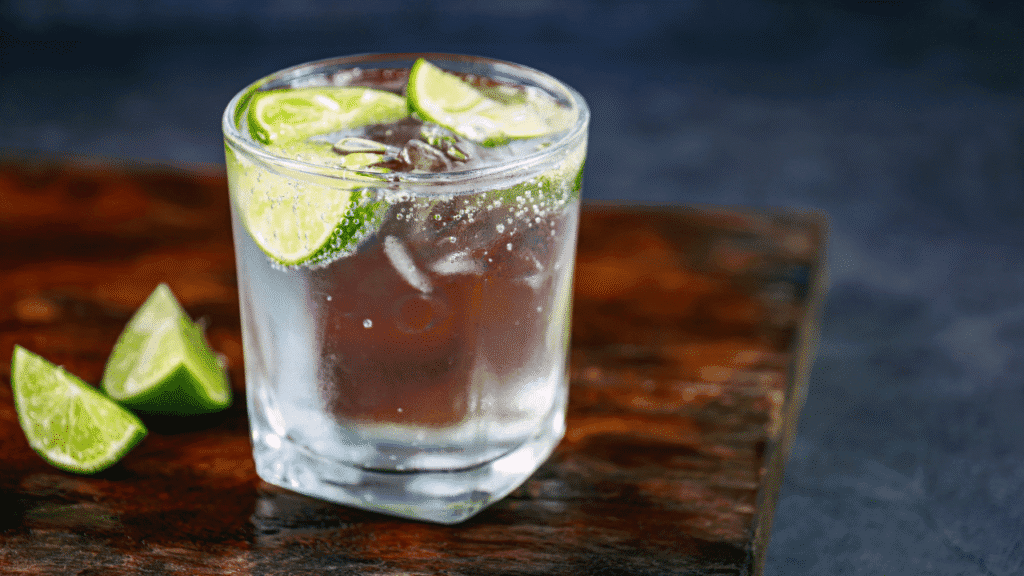
When berry richness meets fizzy lemon‑lime, the result is an easy sipper that suits many occasions. The Zipper uses a simple, equal‑parts foundation that scales neatly from single pours to crowd‑friendly pitchers.
Short, tall, or pitcher‑friendly for happy hour
Recipe (equal parts): 1 oz vodka, 1 oz Chambord, 1 oz lemon‑lime soda — built over ice and gently stirred.
- Chambord: the defining black raspberry liqueur brings berry depth and a subtle Cognac note for complexity.
- Serve as a short rocks glass, a tall highball (add more soda), or scale into a pitcher for easy service.
- For lower ABV happy hour time, drop the vodka slightly and increase soda to keep it light.
- Brunch tip: batch spirits chilled, then add cold soda at service to protect bubbles.
- Garnish with a lemon wheel or a few raspberries; clear, hard ice keeps effervescence and visual clarity.
Flavor tweak: a small squeeze of lemon or lime cuts sweetness if needed. Pair the Zipper with cheese boards or salty snacks—berry notes contrast savory bites nicely.
From Bar to Brunch: Serving Vodka Cocktails with Food
Think of your cocktail as a small-course wine: it should echo or contrast flavors on the plate. A clear match makes both the glass and the dish taste better.
Pairings for brunch, dinner, and happy hour
Bright, citrus-forward cocktails like the Gimlet or Cosmopolitan pair well with seafood and light salads. Acid resets the palate and highlights delicate flavors.
Savory brunch staples—eggs Benedict, lox, or chicken and waffles—ask for a Bloody Mary to cut richness with heat and brine.
Spritzy long pours such as the Sea Breeze work beside light appetizers and crunchy vegetable plates. They keep the table lively without heavy weight.
- Dessert pairings: White Russian alongside chocolate cake or tiramisu reinforces coffee and cream notes.
- Aperitif: A chilled martini sharpens the appetite before dinner.
- Wine mindset: Treat some cocktails like white wine—match acid, salinity, and citrus to seafood and poultry.
“Match intensity in glass to intensity on plate to avoid overpowering either.”
Service tips: Use colder, smaller glasses for richer pours and tall highballs for refreshing serves. Add mindful salt in food to echo saline garnishes like olives. For happy hour, pair zesty long pours with nuts, olives, or chips to keep palates engaged.
Ingredients and Tools: Ginger Beer, Club Soda, Juices, and Glassware
Start your home setup by stocking dependable mixers and tools that make every recipe repeatable.
Choosing mixers: ginger, citrus, cranberry, and orange
Core ingredients to stock: quality vodka, ginger beer, club soda, cranberry and grapefruit juices, dry vermouth, coffee liqueur, peach schnapps, and Galliano.
Ginger beer: look for real ginger flavor, balanced sweetness, and persistent bubbles to anchor Mules and long pours.
Keep lemons and limes as default citrus. Oranges are handy for Harvey Wallbanger builds and garnishes. Label and refrigerate open vermouth and juices to preserve freshness.
Essential barware: shaker, mixing glass, and copper mug
- Durable tools: weighted shaker tins, a sturdy mixing glass, a long barspoon, Hawthorne and julep strainers, and an accurate jigger.
- Ice & glassware: clear, dense ice from directional freezing or silicone molds; coupes for shaken spirits, highballs for effervescent refills, rocks for short sips.
- Copper mug: a well‑made copper mug chills fast—pre‑chill when possible for a colder first sip.
- Garnish kit: peeler, channel knife, picks, mini tongs, and a citrus press to work efficiently.
Tip: Match glass shape to the build to protect aroma and temperature—small changes improve every pour.
Bartender Standards: Technique, Time, and Balance
Small habits—measured pours, steady ice, a chilled glass—deliver reliable results. These basics keep service calm and let flavors land the same way every time.
Shaking, stirring, and mindful dilution
Rule of thumb: shake cocktails that include citrus, eggs, or dairy to aerate and chill. Stir spirits-only builds to preserve clarity and silkiness.
Dilution turns raw alcohol into balance. Time your stir or shake to a consistent count so each batch chills and softens the same way.
- Double-strain shaken drinks to remove ice chips for a clean mouthfeel.
- Use firm, uniform ice to control chill and melt rate.
- Keep glassware cold to slow post-pour dilution.
Always taste before serving. Tiny tweaks in acid or sweetness save a drink without rebuilding it.
Work clean: accurate jiggering, set build order, and a short setup/cleanup schedule save time. Note local preferences in the world around you and adapt ratios while keeping structure intact.
For a quick refresher on fundamentals, see essential bartender skills. Track your favorite vodka builds so they become second nature.
“Practice makes pours predictable — measure, taste, and repeat.”
Conclusion
Bring a few reliable pours to the forefront — the Martini, Cosmopolitan, Moscow Mule, and Sea Breeze each show how flexible a neutral spirit can be.
Keep technique simple: shake when citrus appears, stir spirits-only recipes, control dilution, and chill glassware for consistent, near-professional results. These small habits lift every serve.
Stock smartly: a short list of mixers, fresh juices, and a couple of liqueurs covers most recipes without crowding shelves. Use garnish and vessel choices to shape aroma, temperature, and presentation for a polished finish.
The quick-start ratios above save you time when hosting. For fast two-ingredient ideas, see quick two-ingredient ideas that scale for parties.
Practice, taste, and record your preferred measures. Master a few patterns and improvisation becomes easier. Revisit the content here anytime for specs, tools, and technique notes to keep your home pours steady and enjoyable.
FAQ
What builds make a drink feel timeless versus a modern riff?
Timeless builds rely on a simple ratio of spirit, modifier, and citrus or sweetener — think vodka, vermouth, and a lemon twist. Modern riffs add texture or seasonal elements like ginger beer, fruit purées, or flavored liqueurs to update aroma and mouthfeel while keeping the balance intact.
Which mixers and garnishes are essential for popular vodka cocktails?
Keep citrus (lemon, lime), juices (cranberry, grapefruit, orange), a bitter or sweet liqueur (Cointreau, Galliano), and effervescents (ginger beer, club soda) on hand. Fresh citrus and herb garnishes lift aroma and finish; edible salt or bitters can add depth.
How do I choose the right ginger beer for a Moscow Mule?
Pick a ginger beer with pronounced fresh ginger bite but moderate sweetness. Brands like Fever-Tree or Bundaberg offer bold spice and carbonation that stand up to vodka and lime without overpowering.
Why serve a Moscow Mule in a copper mug?
Copper chills fast and keeps the cocktail cold longer, which sharpens aroma and makes the ginger and lime pop. It also adds visual appeal and a sensory contrast between cold metal and warm hands.
What’s a quick, reliable Moscow Mule recipe ratio?
Use 2 parts vodka, 1 part fresh lime juice, and top with 3–4 parts ginger beer. Build over ice in a chilled copper mug and garnish with a lime wheel or mint sprig.
How do I balance dry vermouth in a vodka martini?
Taste and adjust: a true dry martini uses a small measure of vermouth (a rinse or 1/8 to 1/2 ounce) to add herbaceous lift without diluting the spirit’s profile. Use quality vermouth and keep it chilled to preserve aroma.
Should a vodka martini be stirred or shaken?
Stirring gently chills and dilutes while keeping the texture silky and clear; bartenders prefer it for spirit-forward cocktails. Shaking adds aeration and light cloudiness, which some prefer for a colder, slightly frothier sip.
What makes a Cosmopolitan pop in color and taste?
Fresh lime juice, a quality orange liqueur like Cointreau, and bright cranberry juice create sharp citrus and a vivid pink hue. Use chilled ingredients, shake with ice, and strain into a chilled coupe for the cleanest presentation.
How do I control spice in a Bloody Mary?
Start with tomato juice, vodka, lemon, and Worcestershire sauce, then add Tabasco slowly. Test heat with a small spoonful and adjust. Use fresh horseradish or hot sauce for sharper heat, and offer extra on the side for guests.
What are simple Bloody Mary garnish ideas for brunch?
Celery stalks, pickles, olives, lemon wedges, bacon strips, or shrimp make an eye-catching plate. Keep garnishes sturdy and complementary to the drink’s savory profile.
What’s the basic White Russian composition?
Combine vodka and coffee liqueur over ice, then float or gently pour fresh cream or milk to create a layered, velvety finish. Adjust the cream ratio to make it lighter or richer.
How do I make a Sea Breeze that’s tart but balanced?
Mix two parts cranberry juice with one part grapefruit juice and two parts vodka. Add a squeeze of lime if needed. Keep proportions flexible to suit tartness and sweetness preferences.
What gives a Harvey Wallbanger its signature lift?
The Galliano float provides vanilla-anise sweetness and aromatic complexity atop orange juice and vodka. Build in a highball over ice, then carefully pour Galliano on top for presentation and scent.
How do I keep Sex on the Beach bright and not syrupy?
Use fresh orange juice or a high-quality juice, balance peach schnapps with cranberry for acidity, and measure carefully. Shake with ice and strain to mellow sweetness without losing fruit character.
What quick ratios should home servers memorize for busy nights?
Memorize three simple templates: spirit:modifier:citrus — 2:1:1 for sours; spirit:liqueur:juice — 2:1:2 for fruit-forward cocktails; spirit:juice:carbonation — 2:1:top for tall refreshers. These adapt to many recipes.
What defines a vodka gimlet’s flavor profile?
A gimlet highlights clean spirit with fresh lime and a touch of simple syrup. Use a 2:1:1 ratio (vodka:lime:simple syrup) and shake with ice, then strain into a chilled coupe for a focused, citrus-forward sip.
How is the Zipper Cocktail suited to happy hour or pitchers?
Its blend of vodka, Chambord or raspberry liqueur, and lemon‑lime soda scales well. Keep the liqueur light to avoid cloying sweetness and batch in a pitcher, adding soda just before serving to preserve fizz.
Which food pairings work best for vodka cocktails at brunch or dinner?
Light egg dishes, smoked salmon, and salty fare pair well at brunch. For dinner, grilled seafood, citrus salads, and roasted poultry complement clean, citrus-driven mixes. Match intensity: delicate cocktails with lighter dishes.
How do I choose mixers like ginger beer or club soda for recipes?
Match mixer intensity to the cocktail: robust ginger beer for strong-ginger builds, lighter ginger ale for mild spice, and neutral club soda to lengthen without altering flavor. Fresh juices should be chilled and strained for clarity.
What essential tools should I have for making these cocktails?
Keep a shaker, mixing glass, jigger, strainer, citrus press, and a chilled copper mug for Mules. Good glassware and a bar spoon improve technique and presentation.
When should I shake versus stir a vodka-based cocktail?
Shake drinks that include fruit juice, syrup, egg, or creamy elements to integrate and chill fully. Stir spirit-forward cocktails to control dilution and maintain a silky texture.
Can I substitute gin or tequila in vodka recipes?
Substituting works if you adjust for botanical or agave character. Gin adds herbal notes and can clash with citrus-heavy mixers; tequila brings earthy agave that pairs best with grapefruit, lime, or soda. Taste and tweak ratios.
How do I avoid overusing a single keyword in my cocktail descriptions?
Rotate related terms like spirit, mix, cocktail, and recipe. Keep sentences short, vary phrasing, and prioritize clarity. This maintains readability and helps search relevance without repetition.
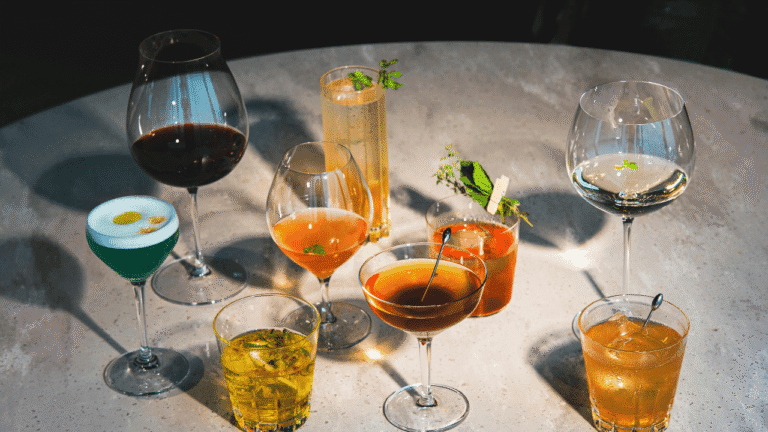
Delicious Classic Bar Drinks with vodka
Classic Bar Drinks with vodka, meet a curated lineup that blends timeless favorites and modern twists…
Enjoy the Classic Margarita Drink Experience
Welcome to a simple guide of Classic Margarita Drink that shows how three ingredients—tequila, fresh…
Discover Delicious Tropical Whiskey Drink Ideas
Ready to mix bright, balanced flavors at home? This post shows easy, modern ways to marry island fruits…
Discover the Best Classic Bourbon Mixed Drinks
National Bourbon Heritage Month in September is a great reminder that some recipes never go out of style….
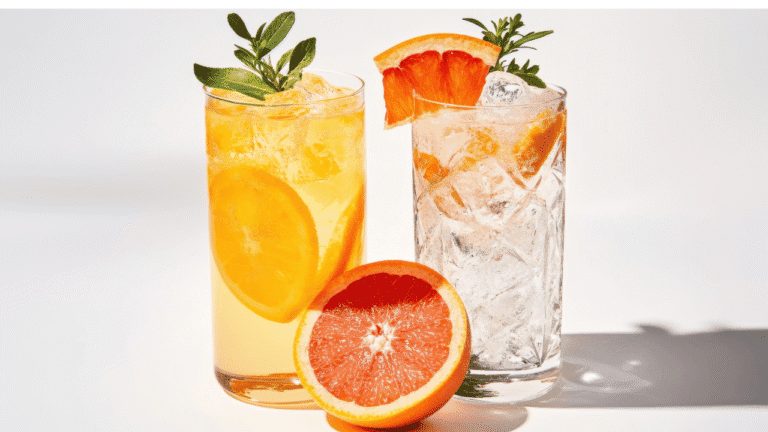
Enjoy Classic Fruity Drinks: Refreshing Recipes for Hot Days
Ready for a sun-friendly list of refreshing sips? This guide gathers widely known, fruit-forward cocktails…
No posts found